
Filters
Level
Grade
Subject
Subject Area
Subject Topic
Standard(s)
Audience
Keyword
DurationMinutes
3rd Grade Reading Lesson Plans

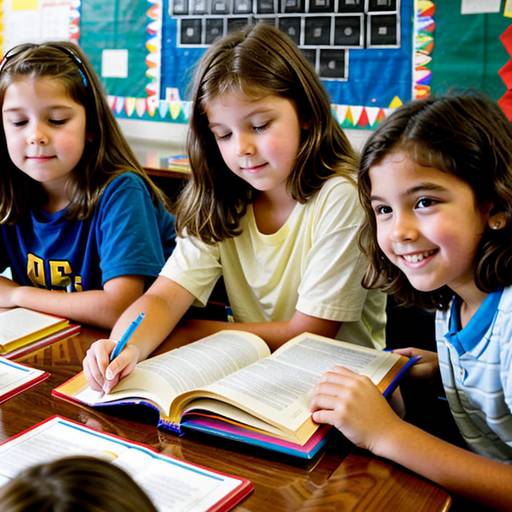
In this 3rd-grade Language Arts lesson, students will explore key reading strategies to enhance their comprehension skills. The lesson begins with an engaging storytelling hook that introduces the concept of predicting. Following this, students will learn about four specific strategies: predicting, questioning, summarizing, and visualizing, each supported by anchor charts with definitions and examples.
During the guided practice, the teacher will read a selected short story aloud, modeling how to apply these strategies at critical points in the text while encouraging student participation. In the independent practice, students will work in small groups, applying one of the strategies to a designated part of the text. They will discuss their insights and write their thoughts on sticky notes to share with the class.
To conclude the lesson, a reflection discussion will help students articulate how these strategies improved their understanding of the story. Assessment will be carried out through observations during group sharing and the collection of sticky notes to evaluate each student's grasp of the strategies. Optional extension activities, such as creating a "Reading Adventure Journal," are suggested to further encourage students to practice and reflect on their reading experiences.
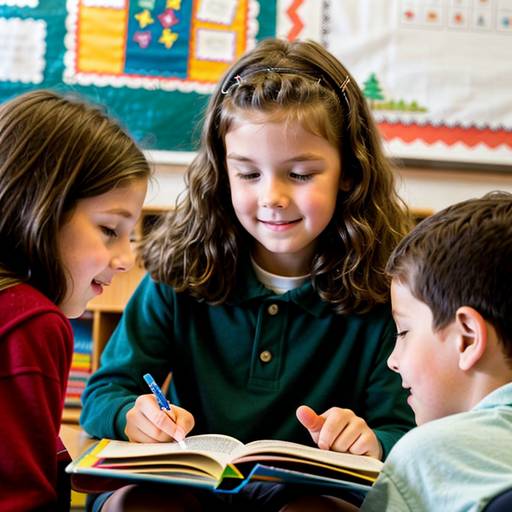
This 3rd Grade Language Arts lesson focuses on enhancing students' reading fluency through partner reading activities. The lesson begins with a warm-up discussion about the importance of fluency, followed by a teacher demonstration of expressive reading. Students are then paired up to practice reading selected passages aloud to one another, using fluency tracking sheets to monitor their words per minute and receive feedback on their expression. After the partner reading session, the class comes together to reflect on their experiences, sharing what they learned and enjoyed. Exit tickets are collected to assess students' understanding and engagement. The lesson aims to foster teamwork, improve reading skills, and promote a love for storytelling while accommodating varying levels of reading ability. Regular follow-up sessions are encouraged to continue developing fluency skills.
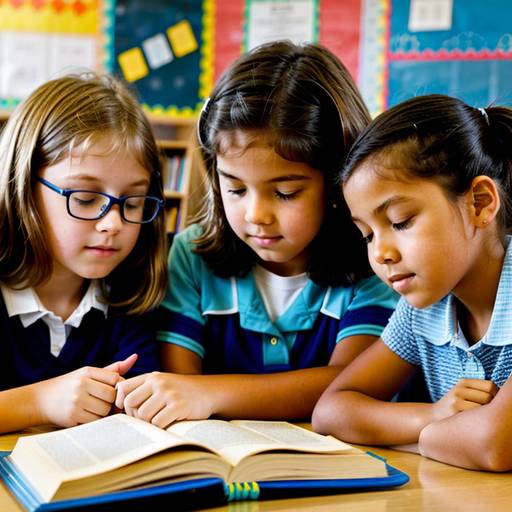
This 3rd-grade Language Arts lesson focuses on enhancing students' reading and comprehension skills by helping them identify the main idea and supporting details in a story. The lesson begins with a brief introduction that captures students' interest through a mystery-solving theme. Following this, students receive direct instruction on understanding the main idea and how to distinguish it from supporting details.
During guided practice, students read a selected short story together and fill out a graphic organizer, identifying the main idea and relevant details. They also write questions and personal connections on sticky notes to share with partners. Independent practice further reinforces comprehension as students write personal connections to the story.
The lesson concludes with a recap of the main ideas and details, fostering class discussion and reflection. Assessments include reviewing students' graphic organizers and observing their participation in discussions, ensuring that everyone's comprehension and engagement are supported. Differentiation strategies are also provided to cater to varying reading levels within the classroom, and extensions include creative writing opportunities for students to craft their own stories. Overall, the lesson aims to make reading engaging and interactive while developing critical comprehension skills.
This 3rd-grade language arts lesson focuses on improving reading fluency and comprehension through an engaging and interactive activity. Students will begin by discussing the importance of reading fluently and will observe a model reading for demonstration. They will then work in pairs to read short texts aloud, taking turns to time each other while practicing their reading skills. After each reading, students will answer comprehension questions to reinforce understanding. Throughout the lesson, students will track their reading times and comprehension scores on fluency sheets. The lesson concludes with a class discussion, allowing students to reflect on their experiences, followed by the collection of exit slips to assess personal growth and understanding. Differentiation strategies are included to support various learners, and opportunities for extension activities are suggested for practice at home. Overall, the lesson aims to foster confidence in students' reading abilities through fun and collaborative practice.
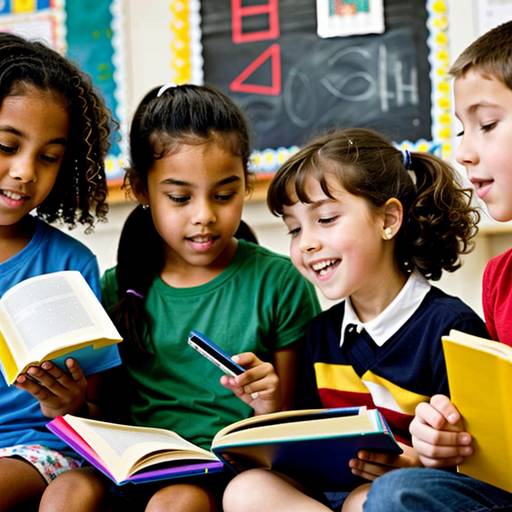
This 3rd Grade Language Arts lesson focuses on enhancing students' reading fluency through rhythmic reading techniques using engaging short poetry or rhythmic texts. The lesson begins with a discussion on the importance of reading fluency, followed by a modeled reading that demonstrates effective rhythm and expression. Students will then be divided into small groups, where they will practice reading assigned stanzas while incorporating simple rhythms using instruments. After practicing, each group will perform their stanzas, emphasizing fluency and expression. The lesson culminates with a reflection and assessment activity, where students track their fluency progress and set personal goals for improvement. Differentiation strategies are included to support varying learning needs, ensuring all students can participate and benefit from the activities.
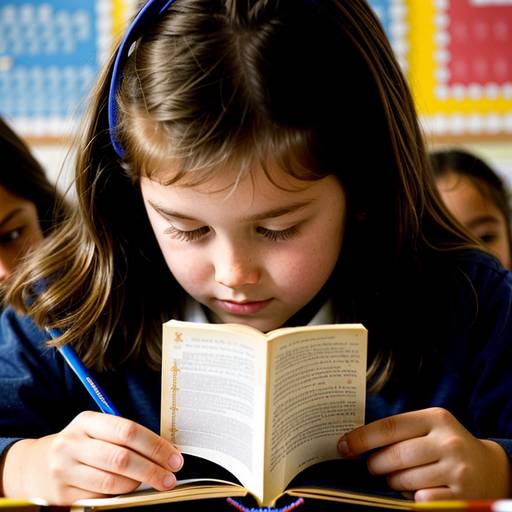
This 3rd Grade Language Arts lesson focuses on enhancing students' reading comprehension through the use of key reading strategies: predicting, questioning, and summarizing. The lesson begins with a discussion on the importance of reading, followed by a modeling segment where the teacher demonstrates each strategy using a short storybook. Students then engage in guided practice by forming small groups to read different books, discussing their thoughts, and applying the strategies while jotting down notes on sticky paper.
After their reading sessions, groups create graphic organizers in the form of "Treasure Maps," which visually represent key events and insights gained from their reading, highlighting the strategies they employed. Each group shares their map with the class, fostering discussion and further inquiry. The lesson concludes with a reflection on what students learned and how they can apply these strategies in the future. Student participation and the completed graphic organizers serve as assessments of their understanding. An extension activity encourages students to practice the strategies with a book of their choice at home.