
Filters
Level
Grade
Subject
Subject Area
Subject Topic
Standard(s)
Audience
Keyword
DurationMinutes
2nd Grade Countries Lesson Plans

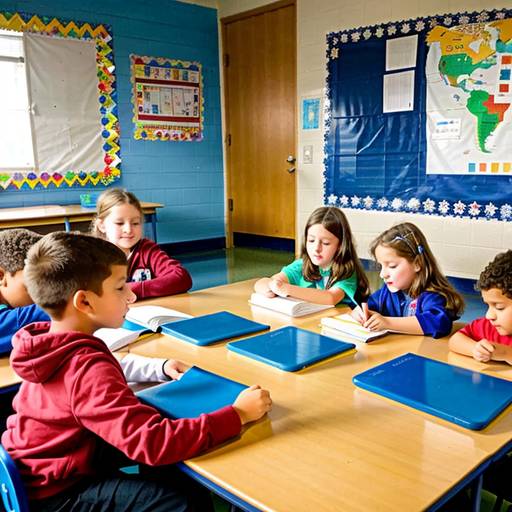
In this 2nd Grade social studies lesson, students will explore the concepts of geography and global cultures. The lesson begins with an introduction to geography, where students will identify countries on a world map. They will then be grouped and assigned different countries to research. Each group will examine cultural aspects of their assigned country through pictures and discussions, filling out a "Country Passport" with key information such as the country's name, capital city, traditional food, holiday, and clothing.
Following their research, students will present their findings to the class, allowing for interaction and questions to promote engagement. The lesson concludes with a review of the countries covered and a reflective discussion about students' favorite facts learned during the presentations. Assessment will be based on participation in group activities and the completion of the passports. Additionally, students may extend their learning through homework involving further research on another country, fostering a deeper understanding and appreciation of global diversity.
In this 2nd-grade social studies lesson, students will explore various countries around the world to understand their cultures and geographies. The lesson begins with a discussion about the concept of countries, followed by a collaborative group activity where students examine country fact cards that include pictures, landmarks, and cultural information. Each group will select 2-3 countries to research and then create a mini-presentation on a poster board, illustrating key aspects of their assigned countries. Students will share their findings with the class, fostering a sense of global awareness and appreciation for diversity. The lesson concludes with an interactive mapping activity, where students mark the countries they learned about on a world map. Assessment will focus on group participation, creativity in presentations, and individual worksheets summarizing their learnings. Extension activities may include a homework project or a pen pal exchange with a classroom in another country to further enhance their understanding of global connections.
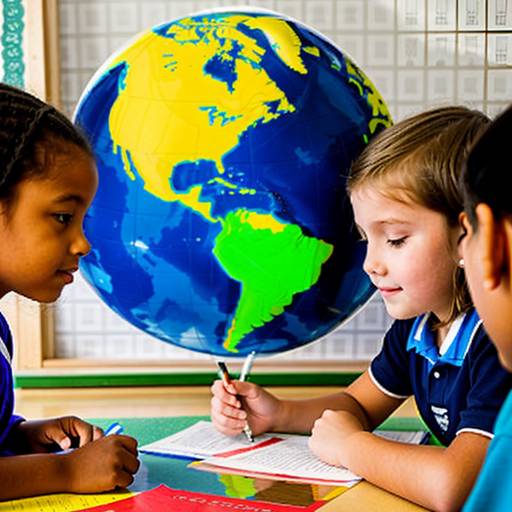
In this 2nd-grade social studies lesson, students will embark on an exploration of different countries and their geographic locations. The lesson begins with a discussion about geography, introducing students to the concept of maps and the significance of understanding various places around the world. Students will be divided into small groups, each assigned a specific country. They will use fact cards to learn about their country's capital, flag, and an interesting cultural aspect, and then locate it on a world map.
Following their research, each group will present their findings to the class, sharing the country’s key information and engaging their peers with questions. The lesson will conclude with a creative activity where students will decorate individual maps with stickers representing the countries discussed. This lesson aims to help students recognize global diversity and develop a basic understanding of world geography while fostering teamwork and presentation skills. Assessment will include observations during group presentations and the evaluation of students' individual maps for accuracy and creativity. Extensions to the lesson may include ongoing exploration of additional countries or personal connections to different cultures.
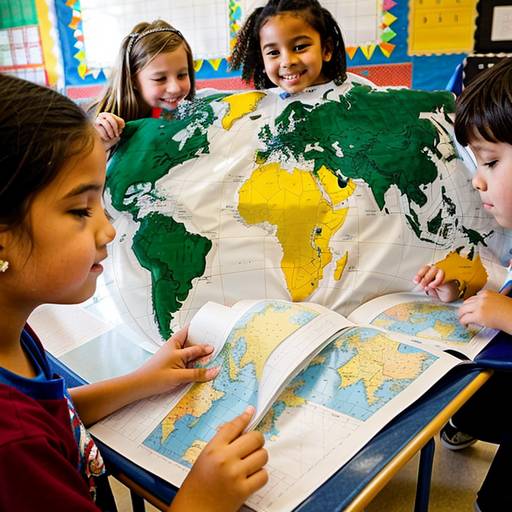
In this engaging social studies lesson for 2nd-grade students, learners will explore geography and different countries around the world. The session begins with an introduction to countries and continents using a world map, fostering an understanding of global diversity. Students will discuss various countries, discovering interesting cultural elements such as languages, foods, and traditions.
During a guided activity, students will locate and label selected countries on the map while participating in group discussions about personal connections to these places. For the independent activity, each student will research a specific country, creating a poster that highlights the country’s name, flag, and a unique cultural fact or element, thus encouraging creativity and personal expression.
The lesson concludes with students sharing their posters with the class, reinforcing their understanding of geography and cultural appreciation. Evaluation will focus on participation and the content of their posters, while extension activities may include a “Cultural Day” featuring food, games, or items from the represented countries. Overall, this lesson promotes awareness of the world’s diversity and the importance of understanding different cultures.