
Filters
Level
Grade
Subject
Subject Area
Subject Topic
Standard(s)
Audience
Keyword
DurationMinutes
2nd Grade Life Science Lesson Plans

In this 2nd-grade science lesson focused on life science and animals, students will learn about animal habitats and adaptations. The lesson begins with a discussion on what students know about animals, introducing key concepts of habitats and adaptations. A read-aloud session featuring a picture book about various animals and their environments allows students to engage with the material and make predictions.
Students will then work in small groups, assigned to different habitats, where they will match animal flashcards with their corresponding habitats and discuss adaptations that help the animals survive. Following this collaboration, each student will create a habitat diorama, incorporating an animal of their choice along with a description of its adaptations.
The lesson concludes with group presentations, allowing students to share their creations and reinforce their understanding of the concepts. Assessment will be based on participation, the quality of dioramas, and individual descriptions, with accommodations and extensions available to support diverse learners and deepen engagement with the material. Overall, this lesson emphasizes teamwork, creativity, and a foundational understanding of the relationship between animals and their environments.
In this engaging 2nd-grade science lesson, students explore the diverse world of animals and their habitats. The lesson begins with a discussion about favorite animals, followed by a presentation of different animal types, including mammals, birds, reptiles, amphibians, and fish. Students learn about the specific needs of animals for survival, such as food, water, shelter, and air, along with adaptations like camouflage and migration.
In small groups, students participate in a matching activity where they connect various animals to their appropriate habitats, discussing why each animal is suited to its environment. Following this collaborative activity, students individually create a habitat for their chosen animal on a worksheet, incorporating key elements and explaining how their animal thrives in that setting.
The lesson concludes with students sharing their creations and insights, fostering a sense of community and encouraging curiosity about the natural world. Assessment includes participation in discussions and the evaluation of completed worksheets, ensuring that students understand the relationship between animals and their habitats. This lesson provides foundational knowledge about life science while promoting teamwork and creativity.

In this 2nd-grade science lesson, students will explore the concept of animal families and the habitats they live in. The lesson begins with a discussion about family structures, after which an engaging read-aloud of a picture book introduces various animal families and their caregiving roles. Following the story, students will engage in a discussion about different habitats such as forests, deserts, and oceans, and which animal families inhabit those environments.
In small groups, students will create posters that highlight specific animal families, including their names, images, habitat information, and details about how they care for their young. Groups will then present their posters to the class, promoting collaboration and communication skills. The lesson concludes with individual worksheets where students will write and illustrate something new they learned about an animal family.
Overall, this lesson is designed to foster curiosity about life science while helping students understand the relationships between animals and their environments through hands-on activities and group collaboration.
In this 2nd grade life science lesson, students will explore the various habitats where animals live, such as forests, deserts, oceans, and grasslands. The lesson begins with a discussion about habitats and their importance, followed by a presentation of different environments and the animals that reside within them. Students will engage in group activities to match animals to their correct habitats and share interesting facts about them. Afterward, they will individually create drawings that depict their favorite habitat, labeling the animals and their unique survival features. The class will reconvene to share drawings and reflections on their learning. Assessment will include observation of participation and review of the drawings, ensuring students understand the relationship between animals and their environments. Extensions can include field trips to local zoological settings and the creation of a classroom habitat wall for ongoing learning.
In this 2nd grade life science lesson, students will explore the fascinating world of plants, focusing on their parts and life cycle. The lesson begins with engaging discussions that prompt students to think about how a small seed can grow into a large plant. They will learn about the various parts of a plant—roots, stems, leaves, and flowers—using diagrams and hands-on activities.
Students will closely examine different seeds using magnifying glasses and draw their observations. They will then participate in a hands-on planting activity, where they will plant seeds in pots, learn about the necessary growing conditions, and understand the importance of water, soil, and sunlight.
The class will conclude with a group discussion, reinforcing the knowledge gained about the plant life cycle. Students will be encouraged to observe their own plants at home and document their growth. Assessment will be based on participation, drawings, and understanding of key concepts discussed during the lesson. Optional extensions include maintaining a growth journal and sharing their plants with the class.
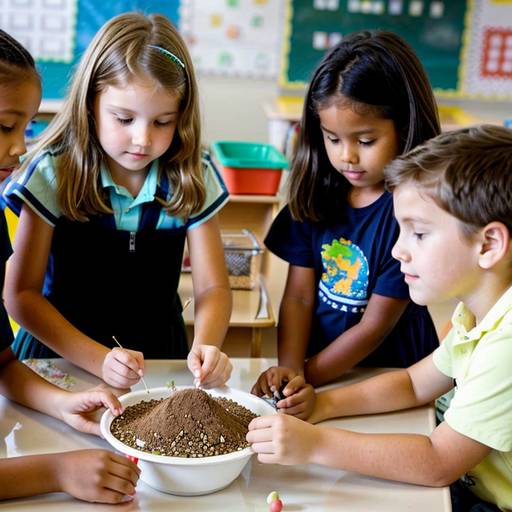
In this 2nd Grade Life Science lesson, students will explore the life cycle of plants by engaging in hands-on activities and discussions. The lesson begins with an introduction to the basic needs of plants—sunlight, water, and soil—coupled with an overview of the plant life cycle stages: seed, germination, seedling, mature plant, and flowering/fruiting.
Students will participate in a seed planting activity, where each will plant a seed in a plastic cup filled with potting soil and learn how to care for it. This practical experience will be complemented by observation and drawing activities, where pairs will create a visual representation of the plant life cycle.
Throughout the lesson, students will engage in collaborative discussions, share their observations, and record their findings. The teacher will assess understanding through participation, drawings, and informal questioning. The lesson also includes opportunities for further exploration of the role of plants in the environment and collaborative gardening efforts. Safety measures will be emphasized, ensuring a clean and safe learning environment. The session will conclude with a fun plant-related song or story to reinforce the concepts covered.
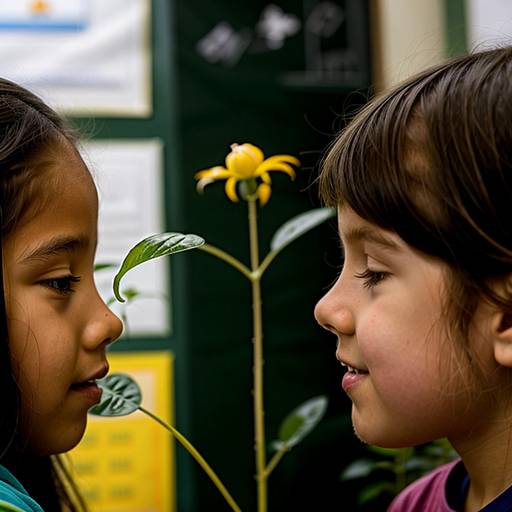
In this engaging 2nd-grade Life Science lesson, students will explore the fascinating world of plants, focusing on their basic parts and functions. The lesson begins with a discussion about the role of plants in the environment, where students will contribute to a KWL chart, sharing what they know and what they want to learn. Direct instruction will introduce the parts of a plant—roots, stems, leaves, flowers, and seeds—along with their functions, highlighting the importance of plants in providing oxygen, food, and habitat.
Following this, students will participate in a hands-on activity where they will work in small groups to examine a live plant or its image, using magnifying glasses to identify and label its parts on a worksheet. Each group will then share their findings with the class, fostering collaboration and communication among peers. The lesson will conclude with a reflection on the "superhero" qualities of plants, emphasizing their vital role in our ecosystem. Assessment will include participation and the completion of the worksheet, while extensions may encourage ongoing exploration through plant-growing projects or related reading activities.
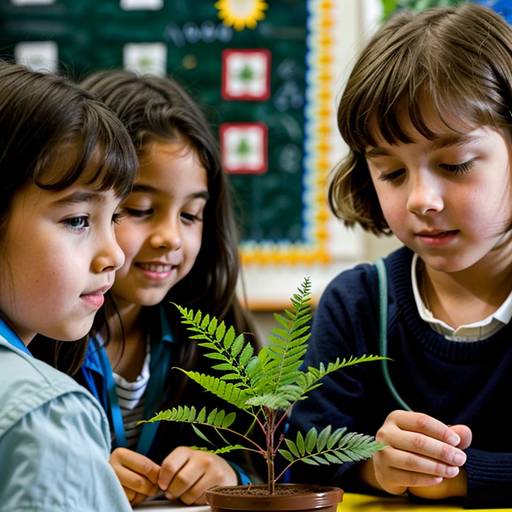
In this 2nd-grade life science lesson, students will investigate the essential needs of plants through hands-on activities and observation. The lesson begins with a multimedia introduction to various plants, prompting a discussion about what plants require to thrive.
Students will engage in a group experiment where they plant seeds in clear cups, placing one in sunlight and another in a darker environment, while recording their predictions and observations in journals. They will also examine different potted plants to learn about their characteristics and discuss the factors that contribute to plant growth.
The lesson concludes with a review of key concepts through a KWL chart, allowing students to reflect on what they have learned and share their remaining questions. Assessment is conducted through an exit ticket where students express one new insight about plants. Extensions encourage ongoing care for their plants and potential field trips to botanical gardens. Overall, the lesson promotes a sense of curiosity and understanding of the important role plants play in the ecosystem.