
Filters
Level
Grade
Subject
Subject Area
Subject Topic
Standard(s)
Audience
Keyword
DurationMinutes
2nd Grade Soil Lesson Plans

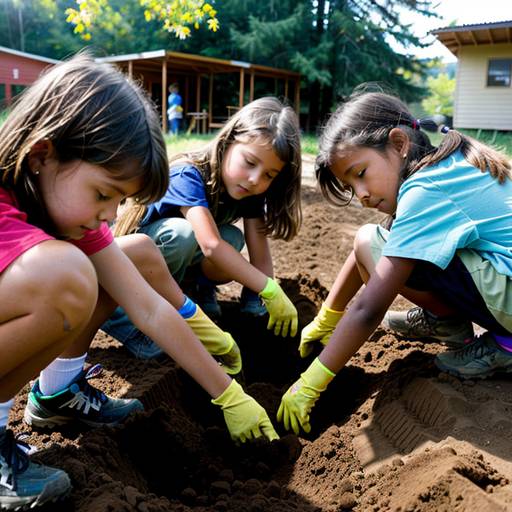
This 2nd-grade Earth Science lesson focuses on exploring soil and its significance in the environment. Students will begin by activating their prior knowledge about soil and discussing its components, layers, and various uses. Through direct instruction, they will learn about the different layers of soil (topsoil, subsoil, bedrock) and the four main types of soil (sand, silt, clay, and loam).
The hands-on activity allows students to engage with soil samples at different stations, where they will observe and record characteristics such as texture and water retention using magnifying glasses and clear cups. This observational activity fosters critical thinking as students classify the soil samples and discuss their findings as a group.
The lesson will conclude with a review of key concepts and an open-ended discussion about the relationship between soil and the support of plant and animal life. Assessments will be made through group participation and the clarity of recorded observations. To extend learning, students may also bring in soil samples from home and explore soil-themed art projects. Overall, this lesson promotes curiosity and a deeper understanding of Earth's natural resources.
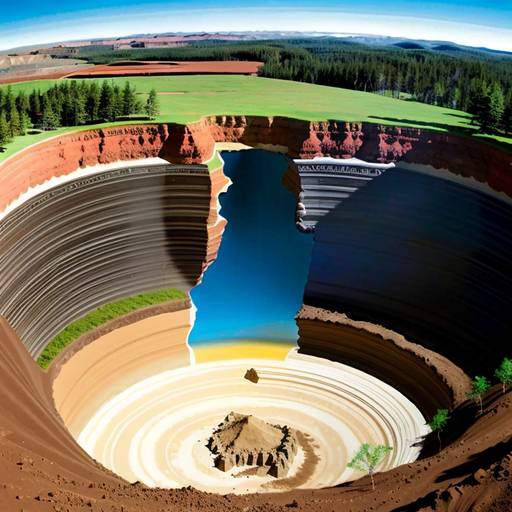
In this 2nd-grade Earth Science lesson focused on soil, students will explore the layers and composition of soil while understanding its importance in the ecosystem. The lesson begins with an engaging discussion to spark curiosity about soil, followed by a presentation explaining the different soil layers: topsoil, subsoil, and bedrock.
Students will work in small groups to examine soil samples using magnifying glasses and recreate the soil layers in clear containers. They will observe textures, colors, and various particles within the soil. After the hands-on activity, students will express their findings creatively by drawing and labeling what they discovered, along with writing a sentence about soil’s significance.
The session concludes with a class discussion where students share their observations and reflections. Assessment will be based on participation in group activities and the quality of their drawings and written work. Extensions and safety considerations are incorporated to enhance the learning experience. This interactive lesson aims to foster an appreciation for soil and its essential role in supporting life on Earth.
This 2nd-grade Earth Science lesson focuses on exploring the fascinating world of soil. Students will learn about the different types of soil, their characteristics, and the vital role soil plays in our environment. The lesson begins with a discussion to activate prior knowledge and introduce the topic.
Following this, students will observe and analyze various soil samples using magnifying glasses, noting the textures and any small organisms they find. They will also learn about the layers of soil, including topsoil and subsoil, as well as the various organisms that live within them, such as earthworms and insects.
The hands-on activity allows students to engage directly with soil, fostering curiosity and encouraging them to document their findings through drawings and notes. After sharing their discoveries, the class will discuss the importance of soil conservation and ways to protect soil health.
To conclude, students will recap the key concepts learned and how they can contribute to soil health in their own lives. Assessment will involve participation in discussions and the completion of their observation worksheets, ensuring understanding of the material. Extension activities may include a field trip to observe soil in its natural setting or starting a class garden to apply their learning.