
Filters
Level
Grade
Subject
Subject Area
Subject Topic
Standard(s)
Audience
Keyword
DurationMinutes
2nd Grade Earth Science Lesson Plans

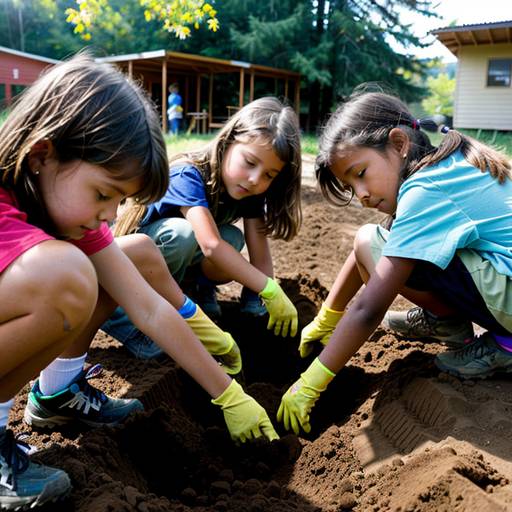
This 2nd-grade Earth Science lesson focuses on exploring soil and its significance in the environment. Students will begin by activating their prior knowledge about soil and discussing its components, layers, and various uses. Through direct instruction, they will learn about the different layers of soil (topsoil, subsoil, bedrock) and the four main types of soil (sand, silt, clay, and loam).
The hands-on activity allows students to engage with soil samples at different stations, where they will observe and record characteristics such as texture and water retention using magnifying glasses and clear cups. This observational activity fosters critical thinking as students classify the soil samples and discuss their findings as a group.
The lesson will conclude with a review of key concepts and an open-ended discussion about the relationship between soil and the support of plant and animal life. Assessments will be made through group participation and the clarity of recorded observations. To extend learning, students may also bring in soil samples from home and explore soil-themed art projects. Overall, this lesson promotes curiosity and a deeper understanding of Earth's natural resources.
In this 2nd-grade Earth Science lesson, students will explore the concept of soil, its layers, and the various organisms that inhabit it. The lesson begins with a read-aloud from a soil-related storybook to engage students and introduce the importance of soil for plants and animals. Following the introduction, students will participate in a hands-on activity where they will examine different soil samples using plastic cups and magnifying glasses to observe textures and colors.
After the exploration, students will gather for a group discussion to share their observations, and a chart will be created to summarize their findings about soil characteristics. Additionally, students will learn about the layers of soil and the roles of various soil organisms, such as earthworms and decomposers, in maintaining a healthy ecosystem. The lesson concludes with a review of key concepts, allowing students to express one new thing they learned during the session. Assessment will include participation in discussions, completion of observation charts, and an exit ticket reflecting their newfound knowledge about soil.

In this 2nd-grade Earth Science lesson, students will explore different types of weather, including sunny, cloudy, rainy, snowy, and windy conditions. The objective is to help students identify various weather types and understand how weather affects their daily lives. The lesson begins with a discussion about personal weather experiences and continues with an introduction to simple weather instruments such as thermometers, rain gauges, and anemometers.
Students will engage in group activities to sort weather images and share their findings with the class. They will then work independently on a weather journal, illustrating their favorite type of weather and writing about it. The lesson concludes with a class discussion that reinforces the key concepts learned. Assessment will occur through participation in discussions and reviewing the weather journals. Extensions include creating a class mural and conducting outdoor weather observations. The lesson is designed to be interactive, supporting various learning styles and encouraging creativity while fostering an understanding of Earth Science and weather patterns.
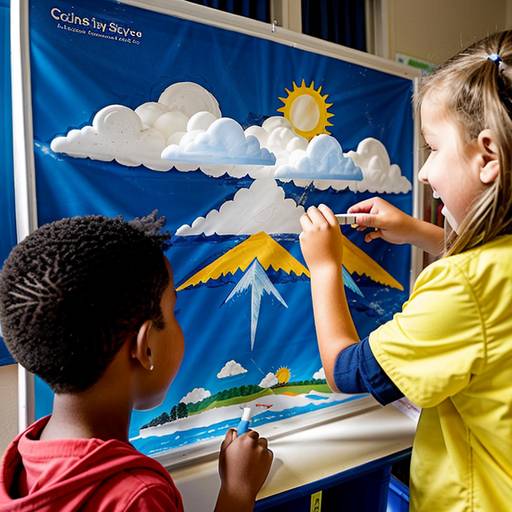
In this 1-hour Earth Science lesson for 2nd graders, students will explore different types of weather and learn about weather patterns. The lesson begins with a short video showcasing various weather conditions, which sparks a discussion about students' personal experiences with weather. Next, students will engage in an interactive activity where they identify weather types using picture cards and contribute to a collective weather chart.
Through a game where they act out different weather types, students gain a deeper understanding of each condition. The lesson then shifts focus to tracking weather patterns using a Weather Diary, which students will maintain at home over the week. To reinforce their learning, students will create their own artistic interpretations of different weather scenes, sharing them with their classmates. The lesson culminates with a recap of key concepts, preparing students to observe and document weather in their daily lives. Assessment will be based on student participation and the accuracy of their Weather Diary entries. Additionally, opportunities for extensions, such as studying local climate patterns or inviting a meteorologist to speak, are included to enhance learning.
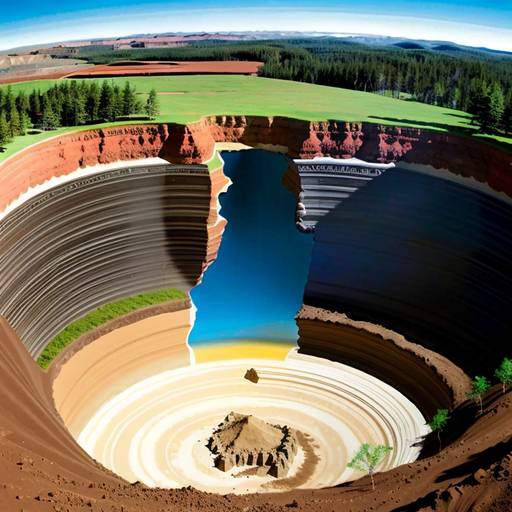
In this 2nd-grade Earth Science lesson focused on soil, students will explore the layers and composition of soil while understanding its importance in the ecosystem. The lesson begins with an engaging discussion to spark curiosity about soil, followed by a presentation explaining the different soil layers: topsoil, subsoil, and bedrock.
Students will work in small groups to examine soil samples using magnifying glasses and recreate the soil layers in clear containers. They will observe textures, colors, and various particles within the soil. After the hands-on activity, students will express their findings creatively by drawing and labeling what they discovered, along with writing a sentence about soil’s significance.
The session concludes with a class discussion where students share their observations and reflections. Assessment will be based on participation in group activities and the quality of their drawings and written work. Extensions and safety considerations are incorporated to enhance the learning experience. This interactive lesson aims to foster an appreciation for soil and its essential role in supporting life on Earth.
This 2nd-grade Earth Science lesson focuses on exploring the fascinating world of soil. Students will learn about the different types of soil, their characteristics, and the vital role soil plays in our environment. The lesson begins with a discussion to activate prior knowledge and introduce the topic.
Following this, students will observe and analyze various soil samples using magnifying glasses, noting the textures and any small organisms they find. They will also learn about the layers of soil, including topsoil and subsoil, as well as the various organisms that live within them, such as earthworms and insects.
The hands-on activity allows students to engage directly with soil, fostering curiosity and encouraging them to document their findings through drawings and notes. After sharing their discoveries, the class will discuss the importance of soil conservation and ways to protect soil health.
To conclude, students will recap the key concepts learned and how they can contribute to soil health in their own lives. Assessment will involve participation in discussions and the completion of their observation worksheets, ensuring understanding of the material. Extension activities may include a field trip to observe soil in its natural setting or starting a class garden to apply their learning.

In this 2nd-grade Earth Science lesson, students will explore various types of weather, including sunny, rainy, cloudy, and snowy. The lesson begins with engaging discussions about each weather type, allowing students to share their feelings and experiences related to them. Students will be introduced to basic weather instruments such as thermometers, rain gauges, and wind vanes, understanding their functions and importance.
During the activity, students will create weather journals, where they will draw their favorite type of weather and write a few sentences about how it makes them feel. The lesson concludes with a sharing session, allowing students to present their journal entries to the class, fostering a sense of community and reinforcing their understanding. Exit tickets will be collected to assess individual comprehension of the day's topics. Overall, this lesson aims to deepen students' understanding of weather and its impact on their daily lives while integrating art and writing skills.
In this 60-minute Earth Science lesson for 2nd graders, students will explore the four seasons and the various types of weather associated with each one. The session begins with an engaging introduction that activates prior knowledge through discussion and visuals, including a read-aloud from a picture book about seasons.
Students will learn about the distinct characteristics of spring, summer, fall, and winter, and how temperature affects weather patterns. A demonstration of a thermometer will help illustrate these concepts.
In groups, students will complete a seasonal weather chart by drawing and writing about the weather associated with each season, encouraging creativity and collaboration. They will also create seasonal weather mobiles using craft supplies to reinforce what they've learned visually.
The lesson concludes with a review of key points and a discussion on personal preferences for seasons and weather. Assessment will involve observing student participation and reviewing their charts and mobiles. Follow-up activities include maintaining a class weather journal to further encourage observation and connection to real-world weather phenomena.