
Filters
Level
Grade
Subject
Subject Area
Subject Topic
Standard(s)
Audience
Keyword
DurationMinutes
2nd Grade Music Lesson Plans

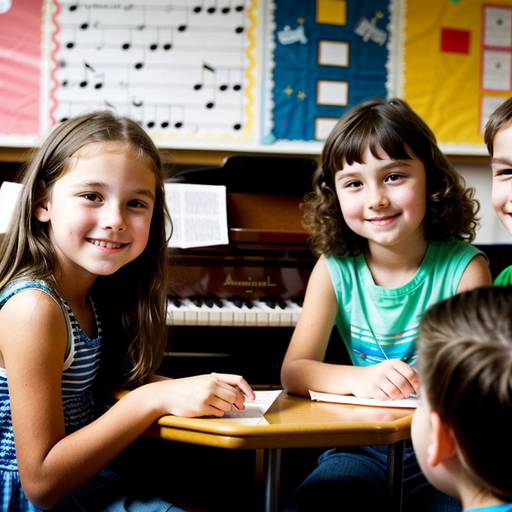
In this 2nd-grade music lesson, students will explore the fascinating world of famous composers and their unique contributions to music history. The lesson begins with an engaging introduction, where students learn about notable composers such as Bach, Beethoven, Mozart, and Tchaikovsky, accompanied by visual aids and fun facts about their lives and styles.
Next, students partake in a listening activity where they hear short excerpts of each composer’s work, prompting discussions about the emotions evoked by the music and the instruments used. This exploration helps students understand the various musical styles and the influence of historical context on the composers' creations.
In a creative segment, students are encouraged to express themselves by designing their own mini-compositions inspired by the music they have heard. They will illustrate the instruments they envision using and compose simple rhythms or notes, reinforcing their understanding of musical concepts.
The lesson concludes with a sharing session, allowing students to present their creative works to the class. Overall, this interactive and educational experience promotes appreciation for music history while fostering creativity and engagement among young learners. Additionally, students are encouraged to continue their exploration of music at home and can participate in a “Composer of the Week” program to further expand their knowledge.
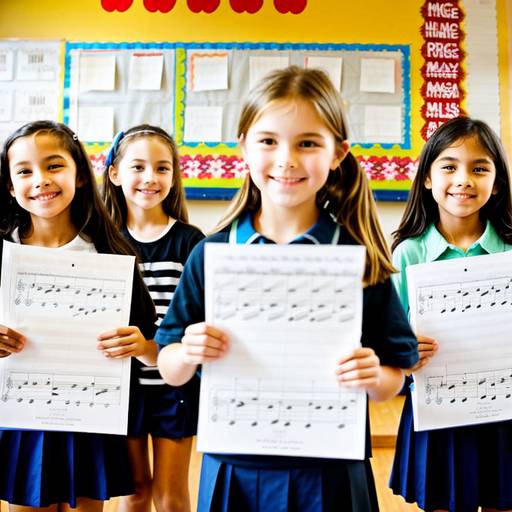
In this 2nd-grade music lesson, students will explore the basics of rhythm and music theory by learning about different note values, including quarter notes, half notes, and whole notes. The lesson begins with a discussion on rhythm, followed by a group clapping activity where students practice clapping simple patterns that incorporate the note values. Afterward, students will engage in a hands-on activity using percussion instruments to create their rhythms, emphasizing the importance of maintaining a steady beat.
To reinforce their understanding, students will create their own rhythmic patterns on worksheets, which they will later share with the class by clapping or using their instruments. The lesson concludes with a reflection on the concepts learned and how rhythm influences music. Assessment will be based on participation, the ability to perform rhythmic patterns, and the completion of worksheets. Extension activities are suggested to further explore rhythm through movement and technology.
In this 2nd-grade music appreciation lesson, students will explore iconic songs and the artists behind them. The session begins with an introduction to the concept of songs and a listening activity where students identify familiar tunes and share their emotions and images evoked by the music. Following this, the lesson includes a learning segment about the featured artists and the cultural significance of their work. Students will then engage in a creative expression activity by choosing their favorite song and creating visual art that represents its themes and emotions. The class will conclude with a review of their learning and an invitation for students to connect with their families about their favorite songs for further sharing in the next session. This engaging lesson fosters musical appreciation, emotional expression, and creativity among young learners.
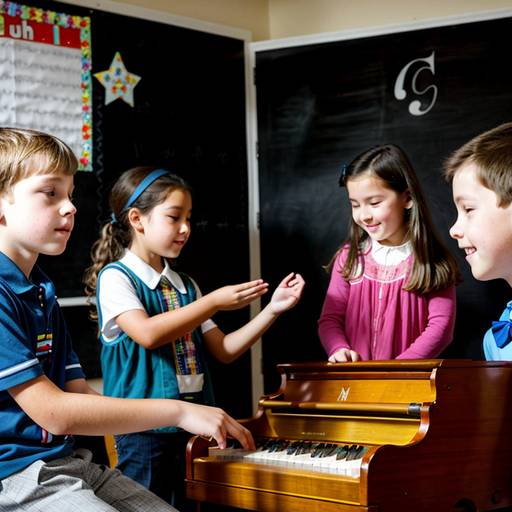
In this 2nd grade music lesson, students will explore the world of music history and notable composers. The lesson begins with an introduction to the concept of composers and a discussion about how music evokes emotions. Students will engage in listening activities where they identify composers based on short audio clips of their famous works, prompting discussions about the feelings these pieces convey.
Moving on, students will express their interpretations of the music through movement, dancing in ways that reflect the different moods of the pieces they hear. They will then create their own artwork inspired by a favorite composer or composition, using crayons or markers to visualize how the music makes them feel.
The lesson concludes with an opportunity for students to share their drawings and thoughts with the class, reinforcing their understanding of the relationship between music and emotion. Throughout the lesson, participation and the creative output of students will be assessed to gauge their grasp of the material. As an extension, students are encouraged to listen to various musical pieces at home and share their favorites in future classes, promoting an ongoing appreciation for music history.
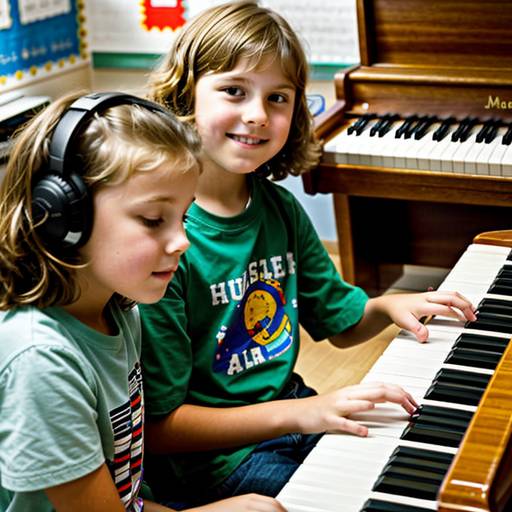
In this 2nd-grade music lesson, students will explore various musical instruments, focusing on keyboard instruments. The session begins with an engaging discussion about instruments and a listening activity featuring different keyboard sounds, such as those from pianos and synthesizers. A demonstration on how to play basic notes on a keyboard follows, illustrating the concepts of pitch and sound variation.
Students will then engage in a hands-on activity where they work in small groups, taking turns playing simple melodies on the keyboard and using rhythm instruments to accompany each other. This collaborative experience promotes teamwork and creativity in music creation. A group discussion will allow students to share their experiences and favorite sounds.
To conclude, the lesson highlights the significance of instruments in music and assigns a fun homework task where students will draw their favorite musical instrument and write a short sentence about it. Assessment will focus on participation, collaboration, and the quality of the homework submitted. Extensions include inviting a local musician for a demonstration and organizing a mini talent show. Overall, the lesson aims to foster an appreciation for music while providing a hands-on learning experience.
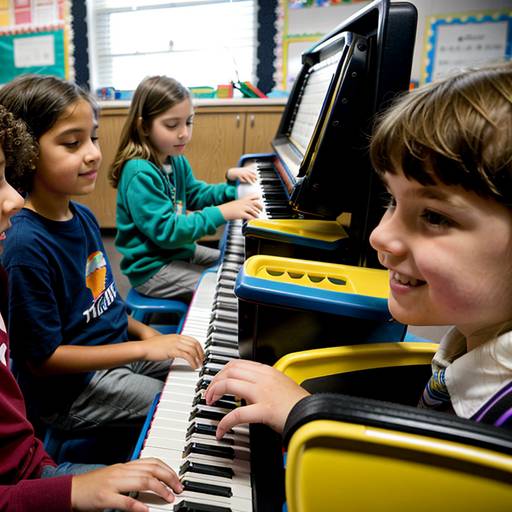
In this 2nd-grade music lesson, students will explore the world of keyboard instruments through interactive activities designed to develop their understanding and appreciation of music. They will learn to identify various types of keyboard instruments and how these instruments create sound.
The lesson begins with a discussion and visual presentation of different keyboard instruments, followed by a live demonstration of playing simple melodies. Students will then participate in hands-on activities in small groups, where they will practice playing a familiar melody on the keyboard, enhancing their skills with basic rhythms.
Each group will have the opportunity to perform their melody for the class, fostering teamwork and encouraging positive feedback among peers. The lesson concludes with a reflective discussion where students share their experiences and insights gained from the activities. The plan includes assessments based on participation and performance, ensuring that students engage fully in the learning process. Extensions for the lesson provide opportunities for further exploration of music beyond the classroom.
In this 45-minute music appreciation lesson for 2nd grade students, the class will focus on exploring and enjoying famous songs from various genres. The lesson begins with a warm-up activity where students sing a familiar song and discuss its appeal. Following this, students will listen to audio clips of three different famous songs, sharing their thoughts and feelings about each one, while learning interesting stories and facts behind the music.
During a group discussion, students will explore what makes certain songs popular and how music evokes emotions and memories. They will then engage in a creative drawing activity, illustrating their feelings or images inspired by one of the songs discussed. At the end of the lesson, students will participate in a wrap-up discussion to reflect on their learning and express their favorite types of music. The goals include fostering an appreciation for music and encouraging personal connections to songs. Additionally, opportunities for further exploration and sharing of discoveries related to music are suggested for future classes.
In this 2nd-grade music appreciation lesson, students will embark on a listening adventure to explore various music genres. The session begins with an engaging warm-up activity where students move to a familiar song, fostering an initial connection to music.
Following this, students will participate in a guided listening exercise featuring short clips from different genres such as classical, jazz, rock, and folk. As they listen, students will fill out a listening chart with their observations about the instruments they hear and the emotions the music evokes. This encourages active listening and critical thinking.
In small groups, students will discuss their favorite aspects of the music they heard, promoting collaboration and communication. To conclude the lesson, students will engage in a creative activity where they create a collage that reflects the mood of their preferred genre, integrating art into music appreciation.
Finally, the class will reflect on their experiences and share their collages, reinforcing the importance of diverse musical exploration. Throughout the lesson, students are encouraged to connect what they learn to their lives outside the classroom, fostering a lifelong appreciation for music. Assessment will include observation of participation, the completion of listening charts, and evaluation of the collages. Extension ideas may include creating a bulletin board to showcase students' artwork and inviting local musicians for an interactive demonstration.
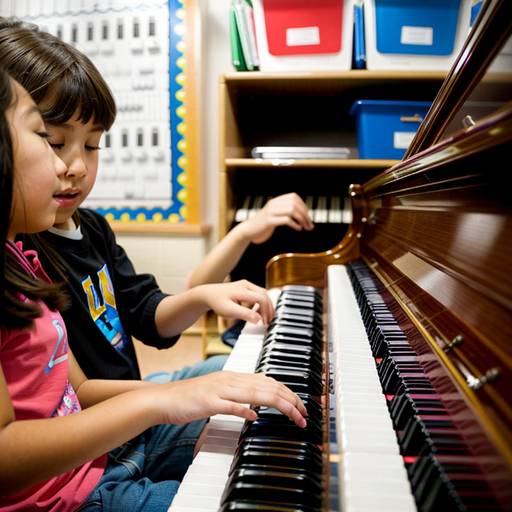
This 2nd-grade music lesson focuses on exploring keyboard instruments and their sounds. Students will begin by discussing different types of keyboard instruments, such as pianos and organs, while engaging with images and sound clips. They will then participate in small groups to explore and experiment with playing sounds on an available keyboard or by listening to recordings. Afterward, the class will learn a simple melody together, practicing it in groups to enhance creativity with variations. The lesson concludes with a reflection on their experiences and a takeaway worksheet for students to color, reinforcing their learning about keyboard instruments. Assessment will be based on participation, group practices, and completed worksheets, with an extension activity offered for those interested in further study.
In this 2nd Grade music lesson, students will explore the world of historical composers and their significant contributions to music. The lesson begins with a discussion about the importance of composers, followed by small group activities where students research and present on different composers, including their key works and historical context. Audio clips will be played to enhance understanding and engagement. Students will then create their own simple melodies on blank sheet music, allowing them to express their unique stories and emotions through music. The lesson culminates in a class discussion reflecting on what they’ve learned about the connection between music and history. Assessment will be based on participation and creativity, with options for extension activities such as creating a classroom display or performing their original compositions. This engaging approach instills appreciation for the art of composition and its storytelling power.