
Filters
Level
Grade
Subject
Subject Area
Subject Topic
Standard(s)
Audience
Keyword
DurationMinutes
2nd Grade Measurement Lesson Plans

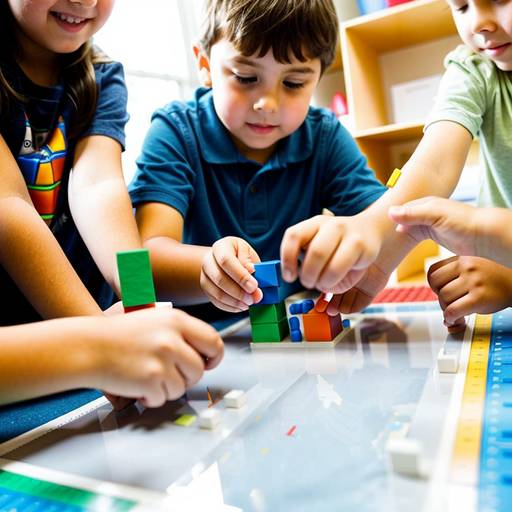
In this 2nd-grade math lesson, students will explore the concept of volume through hands-on activities and measurement. The lesson begins with a discussion about volume, encouraging students to estimate and compare the capacity of various containers. After demonstrating how to measure volume using non-standard units like blocks, students will work in small groups to measure and record the volume of different containers. They will then create drawings of their chosen container, including the volume measurement. The class will come together to share their findings, fostering collaboration and engagement. To assess understanding, teachers will observe group participation and evaluate students' drawings and measurements. The lesson allows for extensions and adaptations, making it accessible for all learners while connecting volume measurement to real-life applications.
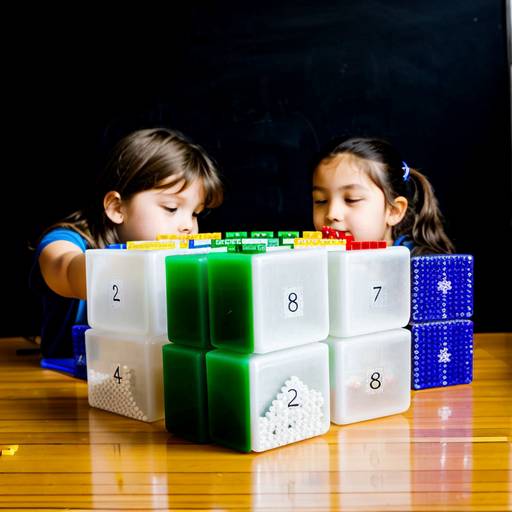
In this 2nd grade math lesson, students will explore the concepts of measurement and weight using both non-standard units and classroom objects. The lesson begins with a discussion about measurement, followed by a hands-on activity where students measure the length of various objects using Unifix cubes, recording their results on worksheets and sharing findings with the class.
Next, students will learn about weight, differentiating it from length, and use a scale to weigh selected objects. They will compare the weights of these items, using terms like "heavier than" and "lighter than." Finally, the class will reconvene to discuss their experiences, reflecting on what they learned about measurement and the importance of using both standard and non-standard units. The lesson aims to engage students in practical applications of measurement while fostering collaboration and critical thinking. Assessment will be based on worksheet completion and group participation, with extensions and differentiation provided to accommodate diverse learning needs.
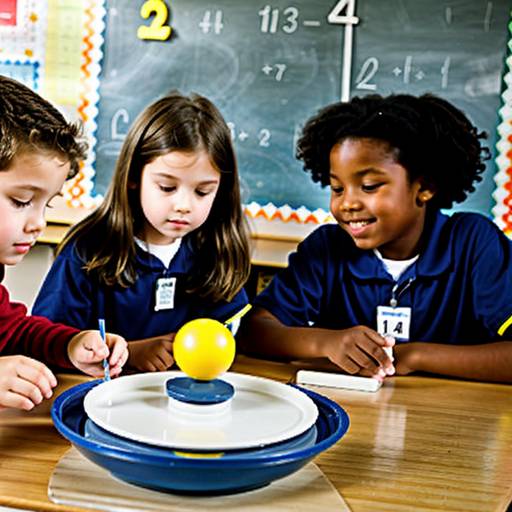
In this 2nd-grade math lesson, students will explore the concepts of measurement and weight using balance scales. The lesson begins with a discussion about weight, followed by an introduction to balance scales and how they work. Students will then engage in group activities where they estimate the weight of various classroom objects and record their predictions. Afterward, they will use the balance scale to measure the actual weight of these objects, noting the results on worksheets. The lesson culminates in a group discussion where students share their findings, reflect on their estimations, and learn about the importance of weight in everyday life. The lesson promotes hands-on learning, teamwork, and critical thinking as students compare and analyze the weights of different items. Assessment will focus on the accuracy of their measurements and participation during activities, with extensions available for students who grasp the content quickly.
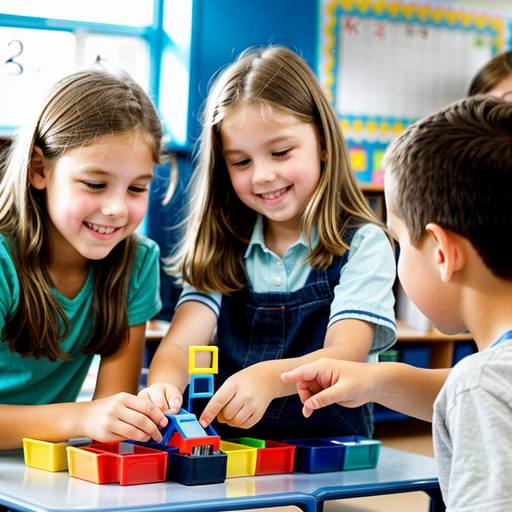
This 2nd-grade math lesson focuses on measurement and weight, aiming to provide students with a hands-on understanding of these concepts. Throughout the lesson, students will explore measuring lengths using both standard (rulers) and non-standard units, as well as weighing different objects with a balance scale. Initially, the teacher will introduce the topics and demonstrate techniques for measuring and weighing. Students will then engage in guided practice, working in small groups to measure and record the lengths and weights of various classroom objects. Following this, they will complete an independent practice activity, selecting their own items to measure and weigh. The lesson concludes with students sharing their findings, reinforcing the real-world applications of measurement and weight. Assessment will focus on students' recorded worksheets and their participation in group activities, allowing for differentiation based on individual learning needs. Extension activities encourage further exploration and collaboration, solidifying the skills learned in the lesson.
In this 2nd-grade math lesson, students will explore the concept of measurement and learn how to measure lengths using both standard and non-standard units, such as inches, centimeters, paper clips, and blocks. The lesson begins with a discussion to familiarize students with measurement vocabulary, followed by a demonstration of measuring classroom objects with a ruler. Students will then engage in guided practice in small groups, measuring different objects and recording their lengths. After presenting their findings to the class, students will complete a worksheet where they estimate and then measure various items. The lesson concludes with a review of key concepts and an assessment through collected worksheets and observation of group activities. Adaptations are provided to support different learner needs. This interactive approach encourages hands-on exploration and real-world connections to measurement.
In this 2nd grade math lesson focused on measurement and length, students will explore the concepts of measuring objects using both standard and non-standard units. The lesson begins with a discussion to engage students and elicit their previous experiences with measurement. Key terms such as length, measure, and units will be introduced.
Through direct instruction, students will learn how to use rulers and measuring tapes correctly, and will understand the significance of measuring accurately. They will observe demonstrations of measuring various classroom objects and see visual examples of both standard and non-standard measurements.
Students will then engage in partner work to measure designated objects in the classroom, recording their results on worksheets and comparing the two types of measurement. Following this, they will participate in a scavenger hunt where they will measure specific items around the classroom or school, documenting their measurements and presenting their findings on a chart.
The lesson concludes with students sharing their discoveries and reflecting on the importance of accurate measurement in real-life situations. Assessment will be based on observation during activities and evaluation of their measurement worksheets, with opportunities for extension and modifications tailored to individual learning needs.
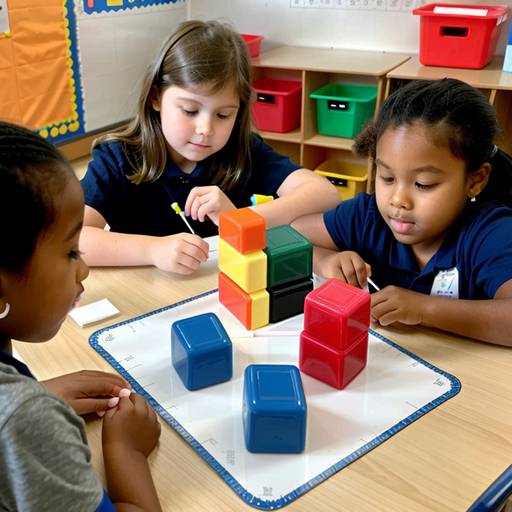
This 2nd-grade math lesson focuses on measurement and volume, engaging students through hands-on activities to explore these concepts. The lesson begins with an introduction to volume, including discussions about its real-life applications and relevant vocabulary. A demonstration showcases how to measure volume using a measuring cup with rice, promoting observational learning.
Students then work in small groups, experimenting with various containers to fill them with rice and record their findings on worksheets. This activity allows them to compare different containers in terms of their capacity. Afterward, groups share their results in a class discussion, emphasizing concepts like "more," "less," and volume-related vocabulary.
To conclude, students create a drawing or poster representing their favorite container and what they learned about its volume. Assessment is based on participation, worksheet accuracy, and the creativity of their final artwork. Extensions are suggested for advanced learners, including challenges with liquid measurements. Overall, the lesson aims to foster a comprehensive understanding of measurement and volume through interactive learning.
In this 2nd-grade math lesson, students will explore the concept of measurement and length using both standard and non-standard units. The lesson begins with a discussion about the importance of measuring and the tools used for it, including rulers and paper clips. Through guided demonstrations, students will learn how to correctly measure various classroom objects, recording their findings. They will then engage in group activities, measuring additional objects and comparing results. Independent practice will follow, where students will measure items at home and reflect on their experiences. The lesson concludes with shares and discussions about their measurements, reinforcing the key concepts learned throughout the session. Assessment will be based on observations during activities and the accuracy of completed worksheets.
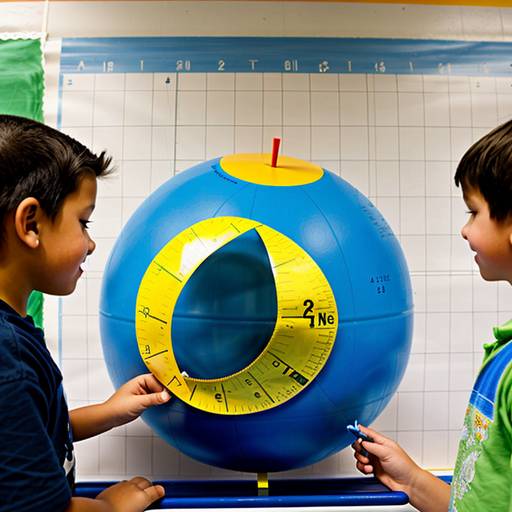
In this 2nd grade math lesson, students will explore concepts of measurement related to length and weight. The lesson begins with a discussion on the importance of measurement in everyday life. Students will learn how to measure the length of objects using rulers in both inches and centimeters, and how to determine the weight of items using scales, focusing on standard units such as ounces and grams.
After a demonstration, students will engage in guided practice by measuring and weighing various classroom items in small groups, recording their findings on worksheets and discussing comparisons within their groups. The independent practice will involve completing a worksheet that includes length and weight comparison activities.
The lesson concludes with a class discussion, where students will share their measurements and reflect on what they learned. Assessment will be carried out through completed worksheets and observations during group activities. To support diverse learners, differentiated strategies will be implemented, providing tools for those needing extra assistance and challenges for advanced students. Additionally, students will be encouraged to explore measurement at home by measuring items with family members, promoting a connection between classroom learning and real-world application.
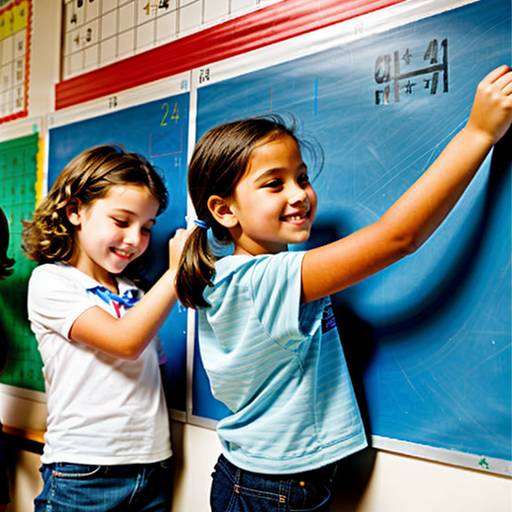
In this 2nd-grade math lesson, students will explore the concepts of measurement and length. The lesson begins with a discussion about the importance of measurement and an introduction to key vocabulary such as “length,” “measure,” “inches,” and “feet.” After demonstrating how to use a ruler and differentiate between standard and non-standard measurement units, students will engage in guided practice with partners.
The main activity involves setting up four measurement stations throughout the classroom, where small groups of students will measure various objects using both rulers and non-standard units like paper clips. Each station will focus on different items to ensure a diverse measuring experience. Students will record their findings on worksheets and participate in a length comparison chart.
The lesson concludes with a class discussion where students share their measurement results and reflect on their learning experiences. Assessment will be conducted through observation during activities and evaluation of the students' worksheets. Extensions and accommodations will be provided to support all learners effectively, ensuring that each student can engage meaningfully with the concepts of measurement and length.