
Filters
Level
Grade
Subject
Subject Area
Subject Topic
Standard(s)
Audience
Keyword
DurationMinutes
2nd Grade Reading Lesson Plans

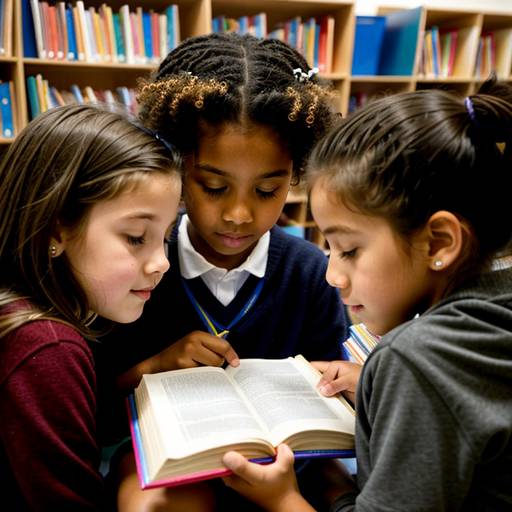
This lesson plan for 2nd grade Language Arts focuses on introducing students to various reading genres, including fiction, non-fiction, poetry, and fantasy. The objectives include helping students identify and describe these genres, differentiate between them, engage in a read-aloud activity to experience examples, and create a personal "Genre Passport" to document their favorite books.
The lesson begins with a discussion on the concept of genres, leading to a brief overview of each type with examples. Students participate in group activities where they explore selected books, discuss their characteristics, and summarize their findings. Afterward, students fill out their Genre Passports with titles of books they’ve read.
The lesson concludes with a review of key concepts, encouraging students to share their favorite genres or books with others. Assessment is based on participation and the accuracy of the Genre Passports. The plan includes extension activities, such as starting a Genre Book Club and creating a classroom display of genre-specific books for ongoing exploration. Overall, the lesson promotes an understanding of reading genres and fosters a love for reading.
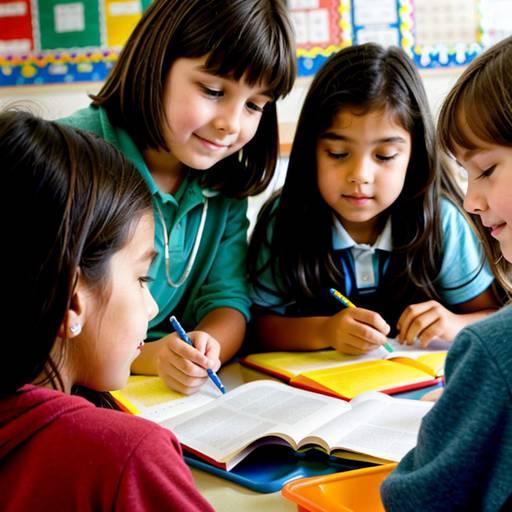
This 2nd-grade Language Arts lesson plan focuses on enhancing reading comprehension through an engaging storybook reading experience. Students will begin by discussing their favorite stories and their adventures before a guided reading session of a selected book, where they will learn to identify key story elements such as characters, setting, and plot. Throughout the reading, students will be encouraged to ask questions and share their thoughts using sticky notes. After the reading, the class will engage in a discussion to reflect on the story and its messages.
Students will then create a story map graphic organizer that includes drawings and written summaries of the key story elements they identified. Finally, students will share their story maps with the class, promoting peer feedback and reinforcing their understanding. The lesson will be assessed through observation and review of students' completed story maps, allowing differentiation for varying reading levels. Overall, the lesson aims to foster a love for reading while developing comprehension skills.
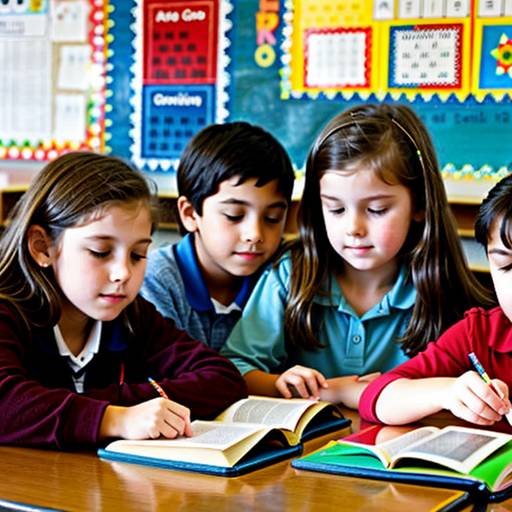
In this 2nd-grade Language Arts lesson, students will explore different reading genres, including fiction, non-fiction, poetry, and informational texts. The lesson begins with a discussion to introduce the concept of genres and an interactive classification activity where students work in pairs to sort book titles and pictures into the appropriate categories. After learning about the characteristics of each genre, students will choose a book to read independently. They will then create a drawing related to their chosen book and write a sentence describing the genre and their reaction to the story. The lesson concludes with student sharing and a recap of the four genres, fostering a deeper understanding and appreciation of diverse reading materials. Assessment includes observation during activities and evaluation of students' drawings and sentences. An extension activity encourages ongoing exploration of genres through a classroom display and a weekly genre-focused project.
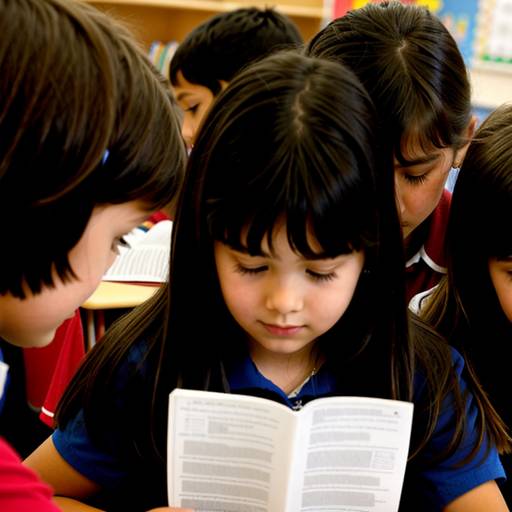
This 2nd grade Language Arts lesson focuses on enhancing reading comprehension through engaging activities centered around a selected picture book. Students begin by predicting the story's content based on the cover and illustrations. Following a read-aloud session, they participate in a group discussion to identify key story elements, such as characters, setting, and main events. They practice reading strategies—prediction, visualization, and summarization—while reading independently or in pairs. The lesson concludes with students sharing their thoughts and learning experiences, reinforcing the importance of these strategies in understanding and enjoying literature. Assessment is conducted through observations and reviewing students' reflections, with differentiated support provided as needed. Extensions include creative activities such as drawing scenes from the story and writing summaries. Overall, the lesson aims to foster confidence and skill in young readers.
In this 2nd-grade Language Arts lesson, students will explore three main genres of literature: fiction, non-fiction, and poetry. The lesson begins with an engaging discussion to define genres and identify their characteristics. Students are then divided into small groups to read excerpts from a selection of mixed-genre books and discuss their thoughts, ultimately sharing their findings with the class.
For independent practice, each student will select a book, complete a "Genre Detective" worksheet, and illustrate a favorite part of the book. This will help reinforce their understanding of the genres and encourage them to think critically about the readings. The lesson concludes with a sharing session, where students present their choices and review the key characteristics of each genre. Assessment will focus on group participation and the completed worksheets, with opportunities for further exploration of reading genres through a "Genre of the Week" display and creative writing assignments. Overall, this lesson aims to foster a love for reading and the understanding of various literary forms.
This 2nd-grade language arts lesson focuses on enhancing reading fluency and comprehension through character exploration in a selected story. Students will engage in partner reading, practicing expressive reading as they take turns sharing the text aloud. Following their reading, the class will discuss the main characters, noting their traits and how these traits influence the story's plot. To solidify their understanding, students will create character drawings, including a chosen trait and a corresponding explanation. The lesson encourages collaboration, creativity, and independent practice at home, allowing students to improve their fluency and comprehension skills in a fun and interactive way. Assessment will involve observing students during reading activities and reviewing their completed character charts and drawings. Differentiation strategies will be implemented to support diverse reading levels within the classroom.
This 2nd grade language arts lesson focuses on enhancing reading skills and comprehension through the use of illustrations and predictions. Students begin by observing the cover of a picture book and making initial predictions about the story. The teacher models how to use illustrations to understand and anticipate story developments through a read-aloud activity.
In pairs, students explore their own pictures books, discussing their predictions and sharing their thoughts through the "Think, Pair, Share" strategy. After reading, they complete a "Main Idea and Details" worksheet to identify the main idea of their story and provide supporting details. The lesson concludes with a whole-class sharing session, allowing students to discuss their findings and reflections. Assessment is conducted through observation and the evaluation of worksheets, while differentiation strategies are in place to support diverse learners. Extensions include creating a prediction wall and organizing a "Book Talk" session, further promoting engagement and comprehension skills.
This 2nd-grade language arts lesson plan focuses on helping students identify and describe various reading genres, including fiction, nonfiction, poetry, and fairy tales. The lesson begins with an engaging story to capture students' interest and encourages them to discuss their favorite types of stories.
The teacher introduces each genre, outlining key characteristics and providing examples. Students then participate in a genre sorting activity in small groups, where they categorize a selection of books and share their reasoning. Following this, students play a genre Bingo game, reinforcing their understanding through an interactive format.
To wrap up, the class reviews what they've learned and students receive bookmarks summarizing the genres and their characteristics to take home. Assessment is based on group discussions, participation in activities, and the ability to identify genre characteristics. Extensions encourage independent exploration of genres through reading and creative writing. Overall, the lesson aims to create an engaging and comprehensive introduction to the world of reading genres for young learners.
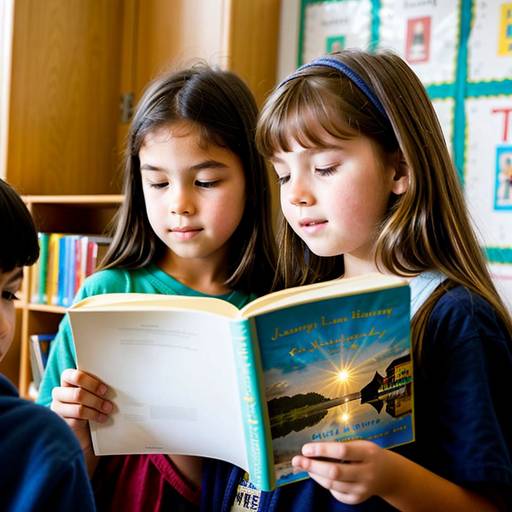
In this 2nd grade Language Arts lesson, students will explore characters and settings within a story to enhance their reading comprehension skills. The lesson begins with a discussion that activates prior knowledge about favorite books, followed by an engaging read-aloud of a selected picture book. After the reading, students participate in a guided discussion, identifying and describing the main characters and settings, which are recorded on a chart for visual reference.
Students then complete graphic organizers where they draw their favorite character and setting while writing descriptive sentences about each. This creative activity allows them to express their understanding of the story visually and textually. The lesson concludes with a sharing session where a few students present their work, followed by a reflective discussion on how characters and settings contribute to understanding the narrative.
Assessment focuses on the graphic organizers, and extensions are provided for further reading practice. The lesson includes modifications for diverse learners to ensure all students can engage meaningfully with the material. Through this interactive approach, students will deepen their comprehension skills and develop a greater appreciation for storytelling.
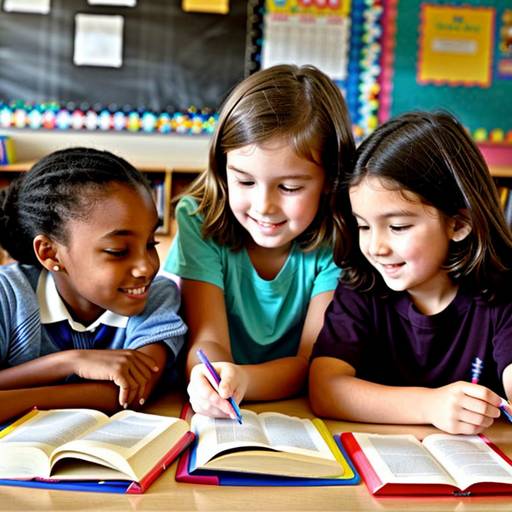
In this 2nd-grade Language Arts lesson, students will focus on improving reading fluency through a series of engaging activities. The lesson begins with a discussion on reading fluency, followed by a demonstration of expressive reading. Students will then practice together in pairs, taking turns reading and discussing their chosen books. After a guided practice session, each student will read independently and track their fluency progress by measuring the number of words read in one minute. The lesson concludes with students sharing their favorite parts of their books and reflecting on their learning. Throughout the lesson, emphasis is placed on the elements of fluency—speed, accuracy, and expression—encouraging collaboration and enhancing reading skills. Additionally, extensions such as creating a "Fluency Star" poster and organizing a reading day are included to further enrich the learning experience.