
Filters
Level
Grade
Subject
Subject Area
Subject Topic
Standard(s)
Audience
Keyword
DurationMinutes
2nd Grade Art Techniques Lesson Plans

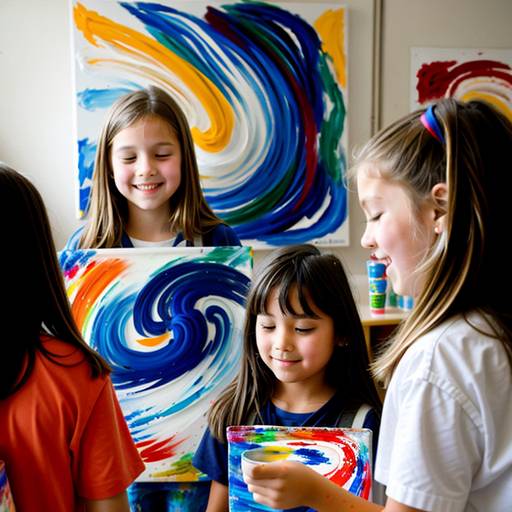
In this 2nd-grade art lesson, students will explore the relationship between emotions and colors through various painting techniques. The lesson begins with a discussion about different emotions and how specific colors can represent them. Students will learn techniques such as wet-on-wet, dry brushing, layering, and sponge painting through demonstrations. After practicing these techniques in small groups, students will create their own emotion-themed paintings, using their chosen colors and techniques to reflect their feelings. A gallery walk will allow students to display and share their artwork with peers, fostering a supportive environment for discussion. The lesson aims to enhance students' understanding of color theory and encourage creative expression while providing opportunities for both guided and independent artistic exploration. Assessment will focus on students' experimentation with techniques and their ability to connect their artwork to the emotions discussed. Adjustments will be made based on student feedback and engagement.
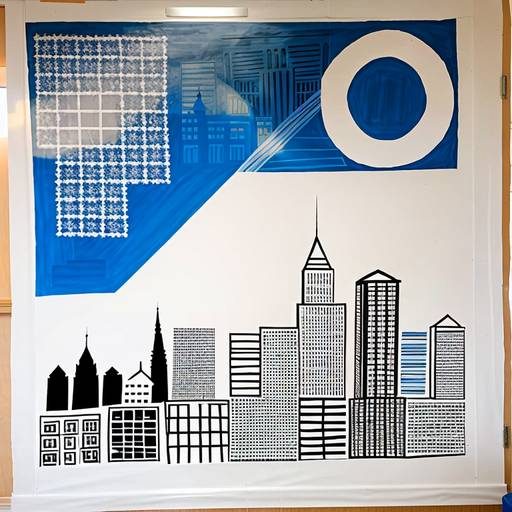
In this 2nd-grade art lesson, students will explore how to create a whimsical cityscape using basic shapes and lines. The session begins with a discussion about the components of a city and an exploration of how shapes like squares, rectangles, triangles, and circles can represent various buildings and features. After a demonstration on combining these shapes into a cohesive drawing, students will begin crafting their own imaginative cityscapes. They will outline their drawings in pencil, add details, and then use colored markers or crayons to bring their creations to life with vibrant colors. The lesson concludes with a gallery walk where students can share their work and offer reflections on their art and that of their peers. Students will be assessed on their participation, creativity, and effective use of shapes and lines in their drawings. Additionally, extension activities may involve writing a short story about their city or creating a three-dimensional version using recycled materials. This engaging lesson fosters artistic skills while encouraging imagination and collaboration among young learners.
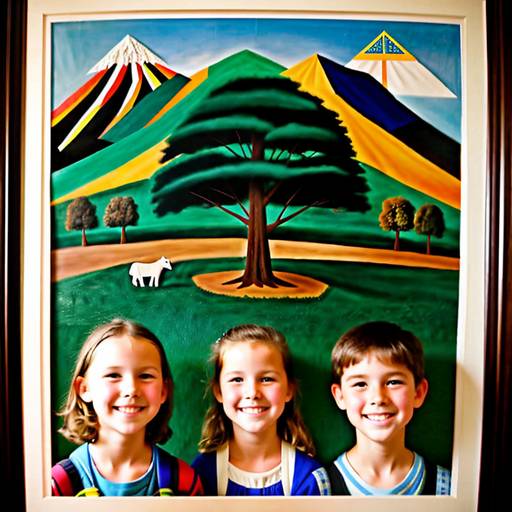
In this 2nd grade art lesson, students will engage in creating a safari-themed collage while exploring various artistic techniques. The lesson begins with a discussion about safaris, animals, and different landscapes to spark inspiration. After a demonstration on how to cut and layer materials, students will use a range of supplies, including colored construction paper, magazines, and textured materials, to design their unique artwork. They will focus on assembling various elements to depict a safari scene, incorporating personal narratives into their creations. At the end of the session, students will participate in a gallery walk, presenting their collages and sharing the stories behind their work. The lesson emphasizes creativity, the combination of different textures, and the development of storytelling through visual art. An assessment will be conducted based on participation, creativity, and the effective use of collage techniques. Extensions for the lesson include digital collage creation and organizing an art exhibit for parents.
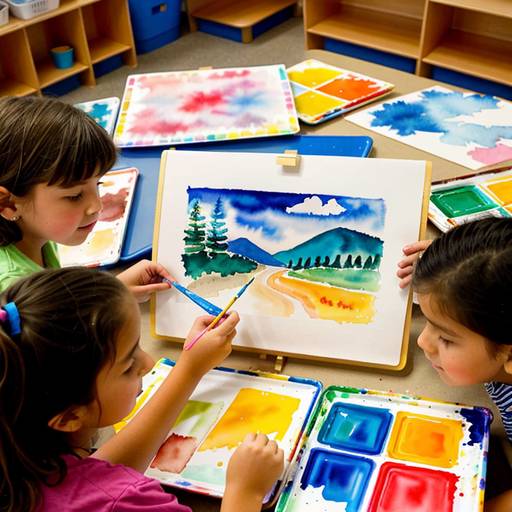
In this 2nd-grade art lesson, students will explore basic watercolor painting techniques and create their own original artworks. The session will begin with a discussion and demonstration of various techniques, including wet-on-wet, wet-on-dry, color mixing, and blending. After the demonstration, students will receive watercolor paper and paints to experiment with these techniques in a guided hands-on activity. They will be encouraged to create a landscape or abstract piece, incorporating at least two different techniques. As the class wraps up, students will share their artwork and explain the techniques they used. Assessment will focus on engagement, creativity, and the application of techniques. The lesson encourages creativity and experimentation while laying the groundwork for future artistic exploration. Adaptations are included to support diverse learners, ensuring a positive experience for all students.
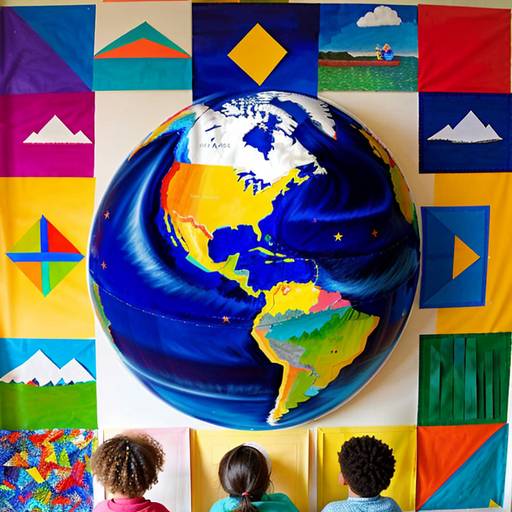
In this 2nd-grade art lesson plan, students will explore the techniques of collage by creating their own mixed-media artworks. The class will begin with a discussion on the concept of collage and its various forms, including examples from famous artists. Students will then brainstorm and sketch their ideas based on a theme of their choice. Afterward, they will have the opportunity to cut and layer materials such as magazine clippings, textured paper, fabric scraps, and stickers to bring their designs to life. The lesson will culminate in a mini-gallery walk, where students will share their collages and explain their creative choices. Throughout the activity, emphasis will be placed on creativity, individuality, and the use of various textures and materials. Assessment will focus on participation, effort, and the final artwork, with opportunities for extensions to accommodate varied skill levels.
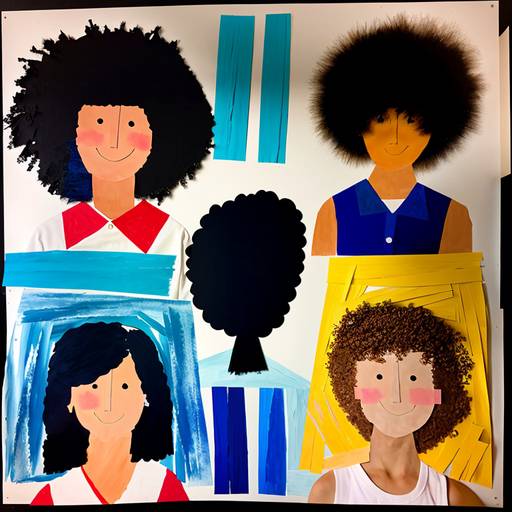
In this 2nd-grade art lesson, students will explore the techniques of collage-making by emphasizing texture and color. The lesson begins with an engaging introduction where students will view examples of collages created by famous artists and discuss the various materials and textures used. After a guided demonstration of how to gather materials and apply different artistic techniques, students will have the opportunity to independently create their own unique collages based on a chosen theme. Throughout the process, they will be encouraged to incorporate various textures and colors using a mix of materials such as construction paper, magazines, and textured items.
To conclude the lesson, a gallery walk allows students to showcase their completed artwork, share their themes, and reflect on the different elements they incorporated. The teacher will assess students based on creativity, use of materials, and demonstration of understanding art concepts. Overall, this lesson fosters creativity, self-expression, and an appreciation for diverse artistic techniques while giving students hands-on experience with collage art.
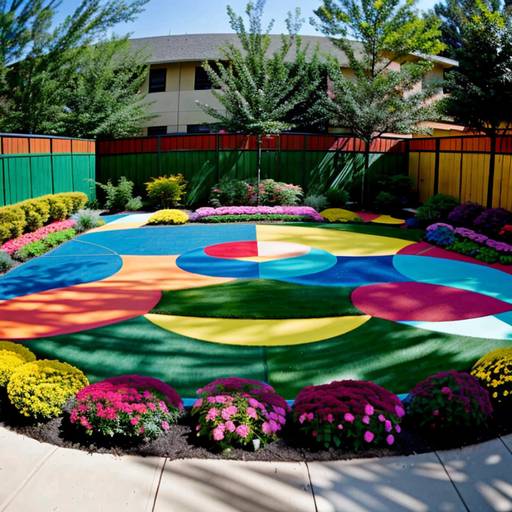
This 2nd-grade art lesson focuses on teaching students the fundamentals of shape and color in drawing. During the class, students will learn to recognize and combine basic shapes to create flower and plant drawings, using colorful materials such as markers, crayons, and paints. The lesson begins with a discussion about gardens and visual references, followed by a demonstration on how to draw simple flowers using basic shapes and incorporate various coloring techniques. Students will then engage in an individual drawing activity, where they will create their own unique flowers, share their work with classmates, and explore their creativity. Finally, the class will collaborate to assemble a vibrant garden mural, combining their individual artworks into a cohesive display. The lesson emphasizes active participation and encourages students to reflect on their artistic process, promoting both individual expression and teamwork. Cleanup will also be incorporated to foster responsibility for shared materials.
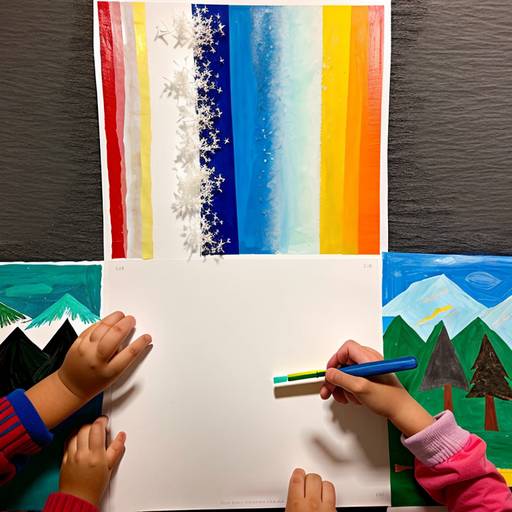
In this 2nd-grade art lesson, students will explore the concepts of texture and color by creating nature-inspired paintings. The lesson begins with a discussion about the various textures found in nature, encouraging students to observe and describe their surroundings. They will learn different painting techniques, including splattering, stippling, and layering, while also being introduced to the idea of warm and cool colors.
Following a demonstration of these techniques, students will sketch and paint their own nature scenes on watercolor paper, incorporating their chosen methods and color schemes. As they work on their artworks, the teacher will provide guidance and support to ensure each student effectively expresses their creativity. The lesson concludes with student presentations of their completed pieces, where they will discuss their techniques and color choices. Assessments will focus on participation, the application of techniques, and the overall creativity in their artworks, while extensions allow for further exploration of mixed media.
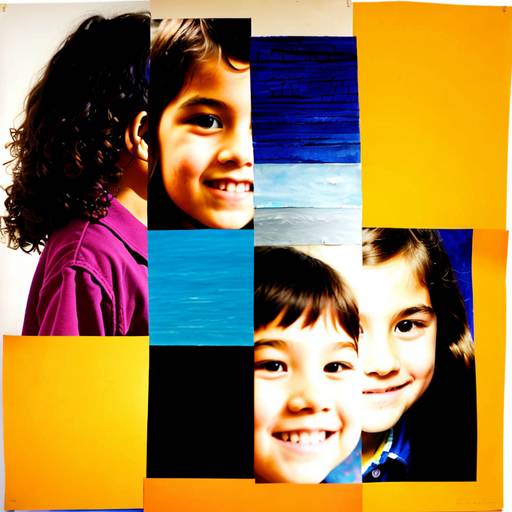
In this art lesson designed for 2nd graders, students will explore the concept of texture by creating a collage using various materials. The lesson begins with an introduction to texture, discussing how it affects our perception of art. After a brief demonstration on how to safely cut and glue materials, students will be provided with colorful construction paper and an assortment of textured items, such as fabric scraps, sandpaper, and bubble wrap. They will use these materials to construct their unique collages, focusing on combining different textures to enhance their artwork.
Throughout the activity, the teacher will circulate to provide support and engage students in conversation about their choices. Once they complete their collages, students will share their creations with the class, explaining the textures they used and the inspirations behind their work. The lesson concludes with a reflection on the importance of texture in art. Cleanup will be emphasized to instill habits of responsibility for materials and workspace. This hands-on experience will not only foster creativity but also help develop fine motor skills and artistic understanding in young learners.
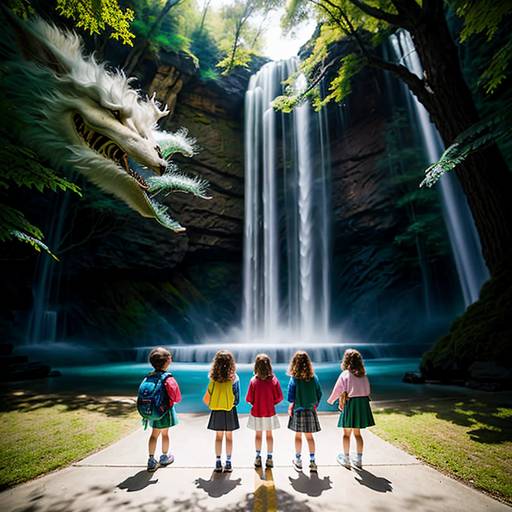
In this 2nd-grade art lesson, students will explore the creation of imaginative creatures using basic drawing techniques involving shapes and lines. The session begins with a discussion about various imaginary creatures, followed by a demonstration on how to combine shapes to form unique figures and use lines to add features. Students will then create their own creatures on drawing paper, encouraged to employ color mixing techniques with colored pencils or crayons. After completing their artwork, students will share their creations with the class, describing their creatures’ names, habitats, and special traits. The lesson emphasizes creativity, encourages storytelling, and culminates in a reflection on the drawing experience. Assessment will be based on student participation, creativity, and application of the techniques learned. An extension activity allows for further exploration through storytelling.