
Filters
Level
Grade
Subject
Subject Area
Subject Topic
Standard(s)
Audience
Keyword
DurationMinutes
2nd Grade Art Lesson Plans

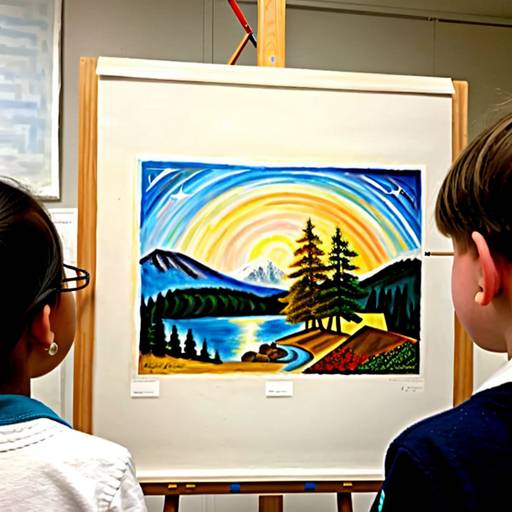
In this 2nd-grade art lesson, students will explore the lives and works of famous artists from different art movements. They will engage in discussions about how these artists expressed emotions and themes through their unique styles. Each group of students will be assigned an artist, such as Vincent van Gogh, Claude Monet, Frida Kahlo, or Piet Mondrian, and will create an original artwork inspired by the techniques and characteristics of their assigned artist. After completing their pieces, students will present their work to the class, explaining their artistic choices and the influence of the artist they studied. The lesson culminates with the establishment of a temporary "Art Gallery" to showcase their creations, allowing them to reflect on their learning and appreciate each other's artistic expressions. Adaptations and extensions are included to ensure all students can participate fully and continue exploring art at home.
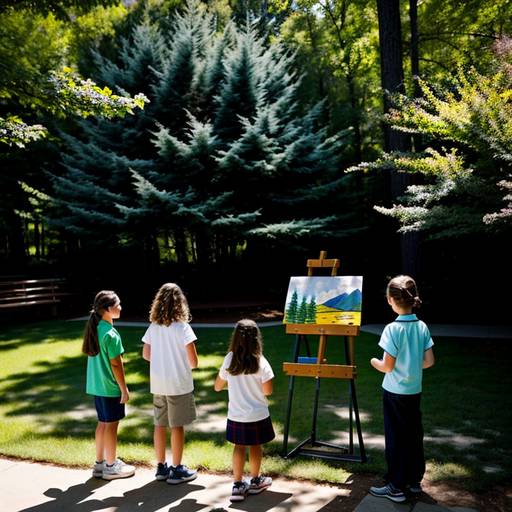
In this 2nd-grade art lesson, students will explore various drawing techniques inspired by the natural world. The lesson begins with a discussion about nature, where students can share their observations of shapes and colors found outside. A demonstration introduces basic drawing skills, such as outlining, shading, and texturing, which students will practice on scrap paper.
Following this, a nature walk allows students to collect small natural objects or observe their surroundings for inspiration. After returning to the classroom, students will create detailed drawings based on their observations, applying the techniques they've learned. They will enhance their artwork using colored pencils, crayons, and watercolor paints.
The lesson concludes with a sharing session, where students can display their creations and discuss their artistic processes. Assessment will focus on their participation, technique application, and ability to communicate their inspiration and experiences. An extension activity encourages students to keep a nature journal for ongoing exploration and creativity related to the outdoors.
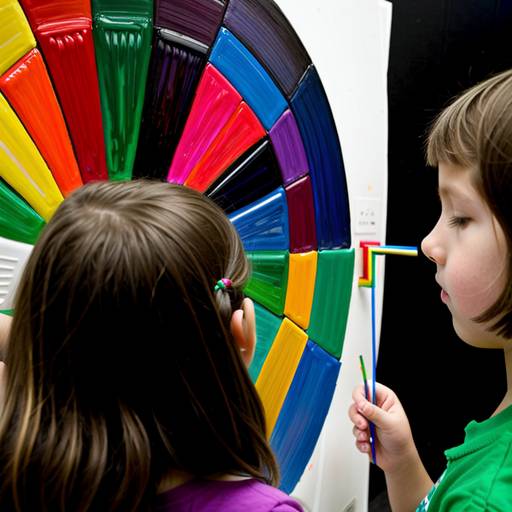
In this 2nd-grade art lesson, students will explore the elements of art with a focus on color theory. The session begins with a discussion about favorite colors and the introduction of primary colors (red, blue, yellow) and how they can be mixed to create secondary colors (green, orange, purple). Students will observe demonstrations of color mixing and complementary colors through the use of a color wheel.
Following the introduction, students will engage in a hands-on activity where they will create their own colorful artwork using watercolor paints. They will paint a background, mix primary colors to form secondary colors, and apply complementary color combinations for contrast and depth in their artwork. Throughout the activity, the teacher will provide support and encouragement, fostering creativity.
Finally, the lesson concludes with a reflection and sharing session, where students will present their completed artworks to their peers, discussing the colors used and their artistic inspiration. The lesson assessment will focus on students' understanding and application of color theory, creativity, and engagement during the activity. Differentiation strategies will be employed to support diverse learning needs, ensuring all students can participate meaningfully.
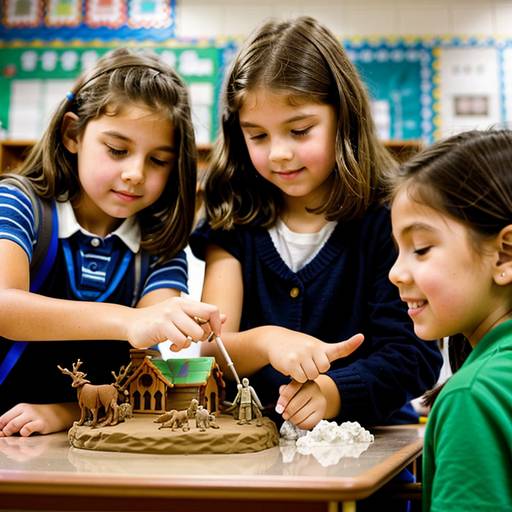
In this 2nd-grade art lesson, students will explore the art form of ceramics by creating small sculptures that represent characters or scenes from their favorite books. The session begins with a discussion about the history and cultural significance of ceramics, followed by a demonstration on sculpting techniques using air-dry clay. Students will first sketch their ideas, focusing on story elements, before shaping their clay creations. The activity encourages creativity and self-expression, while the closure allows students to share their sculptures and discuss the artistic techniques used. Assessment will focus on participation, planning, and the ability to convey a narrative through their artwork. Extensions include opportunities for advanced students to embellish their pieces further, and accommodations are made for diverse learners to ensure a supportive environment.
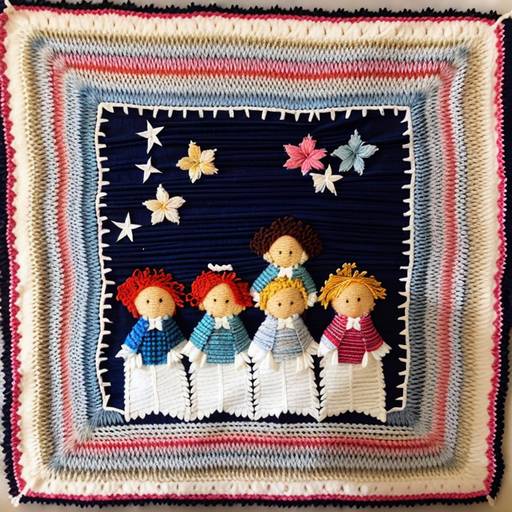
In this 2nd-grade art lesson, students will explore the world of fiber arts through a hands-on weaving activity. The lesson begins with a discussion about fiber arts, encouraging students to share their experiences with fabric and yarn. They will learn key vocabulary related to the topic and view examples of different fiber art forms. After demonstrating a basic weaving technique using cardboard looms, students will create their own woven pieces using colorful yarn. The activity allows them to experiment with patterns and colors while practicing fine motor skills. Students will then share their creations, reflecting on their experiences and the artistic process. The lesson concludes with a clean-up session and provides opportunities for extension activities for those who finish early. Adaptations are also included to support students with varying skill levels. Overall, this lesson fosters creativity and appreciation for fiber arts.
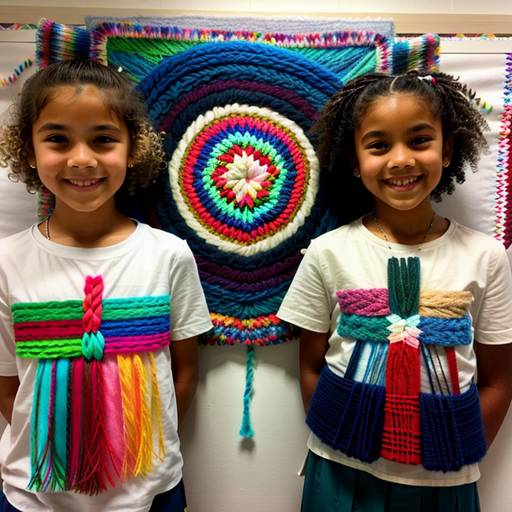
In this 2nd-grade art lesson, students will explore the world of fiber arts by learning basic weaving techniques using cardboard looms. The session begins with a discussion about various forms of fiber art and visual examples to inspire creativity. The teacher will then demonstrate how to set up the loom and weave with yarn and natural fibers. Students will have hands-on time to create their woven pieces, allowing them to experiment with different colors and textures. As they work, the teacher will circulate to provide support and encouragement. The lesson concludes with a sharing session where students present their artwork, reflect on their creative choices, and discuss the importance of texture and design in fiber arts. This engaging lesson aims to ignite students' imagination and introduce them to the possibilities within textile art.
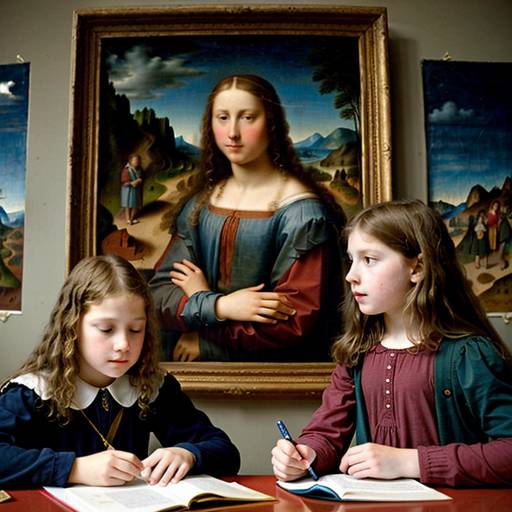
In this 1-hour art lesson for 2nd graders, students will explore the Renaissance period by learning about its significance and famous artists such as Leonardo da Vinci, Michelangelo, and Raphael. The class will start with a brief discussion about what Renaissance art is, focusing on its colors, themes, and styles. Students will then engage in a hands-on activity where they will create their own artwork inspired by the concepts they've learned, using colored pencils, markers, or even collage techniques. After completing their pieces, students will participate in a gallery walk to showcase their work and share what inspired them. The lesson aims to foster creativity while helping students understand the connection between art and history. Reflection and discussion will wrap up the session, allowing students to articulate their experiences and insights gained throughout the lesson. Extensions will encourage further exploration of art history in their home environment. Assessment will involve participation and the creativity demonstrated in their artwork and presentations.
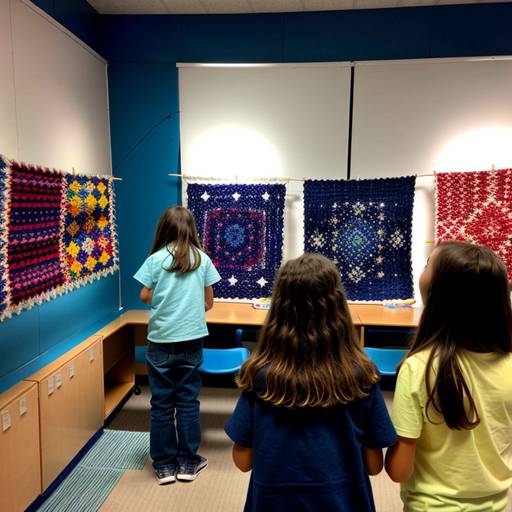
In this 2nd-grade art lesson, students will explore the world of fiber arts, focusing particularly on weaving. The lesson begins with a discussion about various forms of fiber arts and their significance in different cultures, accompanied by visual examples.
Students will then learn how to create simple cardboard looms, which will allow them to experiment with the basic over-and-under weaving technique using colorful yarn. After a demonstration of setting up the loom and guiding them through the weaving process, students will have the opportunity to create their own woven artworks.
Throughout the activity, the teacher will provide support and encouragement, fostering creativity and individual expression. As the lesson concludes, students will participate in a gallery walk to showcase their creations and share their experiences. This interactive session will help students appreciate the art of weaving while developing their fine motor skills and artistic expression. The assessment will focus on observing student engagement and the creativity evident in their completed projects.