
Filters
Level
Grade
Subject
Subject Area
Subject Topic
Standard(s)
Audience
Keyword
DurationMinutes
1st Grade Rules Lesson Plans

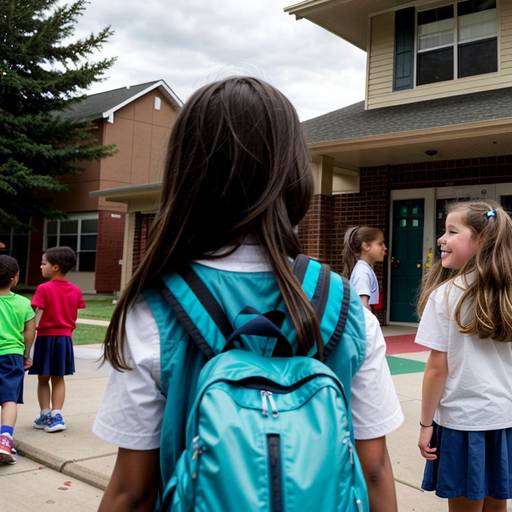
In this 1st-grade social studies lesson, students will explore the concept of community by identifying its various components, including people, places, and activities. They will learn about the significance of rules in maintaining safety and harmony within a community. The lesson begins with a discussion about what a community is, supported by visual aids showcasing community elements. Students will then engage in collaborative group work to brainstorm and share essential community rules. Following this, they will create their own illustrations of a community scene, incorporating rules they deem important. The lesson concludes with a sharing session where students present their artwork and explanations, reinforcing their understanding of the role of rules in fostering a positive community environment. Assessment will include observations of group participation and evaluation of students' creative outputs, ensuring all learners are supported through differentiated instruction. A follow-up activity encourages students to actively observe their real-life community to connect classroom learning with their surroundings.
In this 1st-grade social studies lesson, students explore the concept of community helpers and the significance of the rules they follow to maintain a safe and healthy neighborhood. The lesson begins with a circle time discussion that prompts students to think about what makes a neighborhood a good place to live, leading into an introduction of various community helper roles such as firefighters, police officers, and teachers.
A read-aloud story featuring community helpers engages the students further, allowing for a discussion on the importance of these roles and the associated rules. Students then create a worksheet highlighting their favorite community helper, drawing an illustration and writing a simple sentence about their importance. This is followed by a fun, interactive role-playing activity where students can act out scenarios related to different community helpers while demonstrating the rules they follow.
The lesson concludes with a recap and review of the learned concepts, reinforcing how rules contribute to community safety and well-being. Assessment is based on participation, engagement, and a review of the completed worksheets. Additionally, potential extensions like field trips to local community services or guest speaker visits can enhance the learning experience.
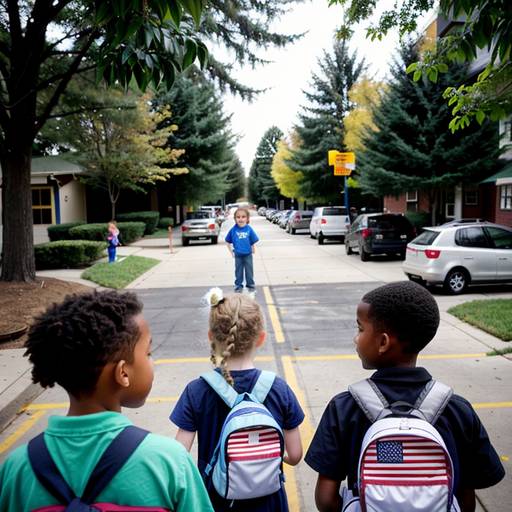
In this first-grade social studies lesson, students explore the concept of community and the significance of rules that help maintain order and safety. The lesson begins with a discussion about what a community is, aided by photographs of various community elements. A storybook is read aloud to illustrate interactions within a community and the role of rules. Students engage in a discussion about the importance of rules, expressing their thoughts on how rules contribute to harmony and cooperation.
In a collaborative activity, students work in small groups to create a set of classroom rules that foster a positive environment. They then share their ideas, which are compiled into a large poster for the classroom. The lesson concludes with a reflection on the importance of rules and an assignment to draw a community scene while incorporating a rule that ensures safety and enjoyment. Throughout the lesson, students actively participate and develop a deeper understanding of their roles within their community.
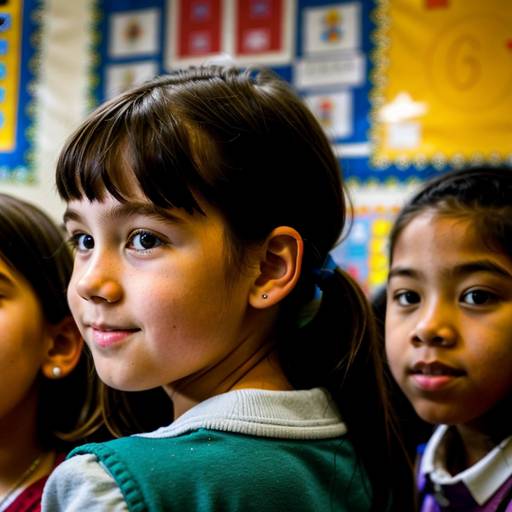
This lesson plan for 1st graders focuses on understanding communities and the essential rules that help maintain order and safety. Students will begin by discussing what a community is and identifying various community helpers, such as police officers, firefighters, and teachers. They will participate in group activities to match helpers to their roles and explore the significance of rules within communities. Through a rule sorting activity, students will share examples of important community rules and discuss why they are necessary.
The students will then engage in a creative project where they draw and describe a rule they find important for their community, reinforcing their understanding. The lesson concludes with a recap of the key concepts and encourages students to think of ways to contribute to their community. Assessment will be based on participation and the completed creative project. Extensions include organizing a themed dress-up day and planning a field trip to observe community helpers in action. Overall, the lesson aims to foster a sense of community awareness and responsibility among young students.