
Filters
Level
Grade
Subject
Subject Area
Subject Topic
Standard(s)
Audience
Keyword
DurationMinutes
1st Grade Addition Lesson Plans


This 1st-grade math lesson focuses on introducing students to the concept of addition using manipulatives. The lesson begins with a review of counting to reinforce number recognition. It then demonstrates how to add simple numbers by physically combining counting objects, allowing students to visually and tangibly grasp the idea of putting numbers together.
Students participate in guided practice, working in small groups to solve addition problems using manipulatives while gaining support and feedback. Following group work, students engage in independent practice using whiteboards to record their answers, reinforcing their understanding.
The lesson concludes with a discussion to review what students learned, fostering an environment of sharing and celebration, with students receiving stickers for their efforts. Assessment is conducted through observation and review of student work, ensuring that each child's understanding is monitored. The lesson accommodates diverse learning needs with differentiated support for students who require it while providing challenges for advanced learners. Overall, this interactive approach promotes a solid foundation in addition through hands-on experiences.

In this 1st-grade math lesson, students will focus on understanding and practicing single-digit addition. The lesson begins with a discussion to introduce the concept of addition, using real-life examples to help students grasp the idea. Direct instruction follows, where the teacher demonstrates addition problems and encourages students to use manipulatives for hands-on learning.
During guided practice, students will use counting manipulatives to solve various single-digit addition problems. They will then complete worksheets independently to reinforce their understanding. To conclude the lesson, students will participate in an interactive math game, such as bingo, where they apply their addition skills in a fun setting.
Assessment will occur through observation during practice and the evaluation of completed worksheets. Adaptations will be made for students who need extra support, while advanced learners will be challenged with slightly more complex sums. The teacher will reflect on the effectiveness of the lesson to inform future instruction.

In this 1st-grade math lesson, students will explore the concept of addition using a number line. The lesson begins with a counting warm-up to familiarize students with numbers, followed by an introduction to the number line as a tool for solving addition problems. In guided practice, the teacher demonstrates how to use the number line to add numbers, prompting students to participate in solving problems collectively.
Students will then engage in independent practice by working on number line worksheets and using manipulatives, such as counters, to solidify their understanding of addition. The lesson concludes with a review where students can share their insights, followed by an exit ticket activity to assess their grasp of the concept. Assessment will be based on observation during guided practice and the completion of worksheets. Extensions and modifications are included to support students with different learning needs and to enrich the experience for those who excel. Overall, the lesson aims to make learning addition interactive and accessible, building a strong foundation for future math skills.

This 1st-grade math lesson focuses on teaching students the concept of addition through engaging word problems. The lesson begins with a review of addition, using a simple equation to connect with the students. It then introduces word problems formatted in everyday scenarios, allowing students to practice solving them collaboratively in small groups. Through guided practice, students learn to identify key information within the problems and use manipulatives to visualize the addition process.
After practicing in groups, students complete an independent worksheet to reinforce their understanding. The lesson concludes with a class discussion where students share their solutions and the strategies they used. Assessment is based on observation during group activities and a review of worksheets to ensure comprehension. Differentiation options are available for advanced learners and those needing extra support, making the lesson accessible to all students. Additionally, extensions encourage creativity by allowing students to create their own word problems, further connecting math to real-life situations.

In this 1st-grade math lesson, students will explore the concept of addition using various manipulatives, such as plastic animals and counting bears. The lesson begins with a discussion on the importance of addition and real-life applications. Through modeling, the teacher demonstrates how to combine groups of items and write corresponding addition sentences on the whiteboard. Students then work in small groups with manipulatives to solve assigned addition problems, allowing them to visualize the process and enhance their understanding. After guided practice, they complete an independent worksheet where they represent and write their addition problems. The lesson concludes with a sharing session where students present their work, reinforcing their understanding of addition. Assessment includes observation of student engagement during group work and review of their worksheets. Extensions and support are provided based on individual student needs, ensuring all learners can grasp the concept effectively. The focus on hands-on activities aims to make learning enjoyable and effective for young students.

In this 1st-grade math lesson, students will explore the concept of addition using a number line as a visual tool. The lesson begins with a discussion on addition, encouraging students to share their experiences with counting objects. A large number line is introduced, allowing students to visualize how to jump from one number to another to find sums.
During guided practice, students participate in demonstrations where they solve simple addition problems by making physical jumps on the number line, reinforcing their understanding through verbal counting. They then engage in a hands-on activity with partners, using manipulatives and addition cards to represent addition problems, followed by using individual number lines to find answers and discuss their strategies.
To solidify their learning, students complete worksheets that require them to draw their jumps on the number line while solving problems independently. The lesson concludes with a sharing session where students discuss their experiences and solutions, reinforcing key concepts learned about addition and the use of number lines. The teacher assesses understanding through observation and worksheet review, with extensions provided for those who grasp the material quickly. This interactive approach aims to create a dynamic learning environment that fosters a strong foundation in addition.
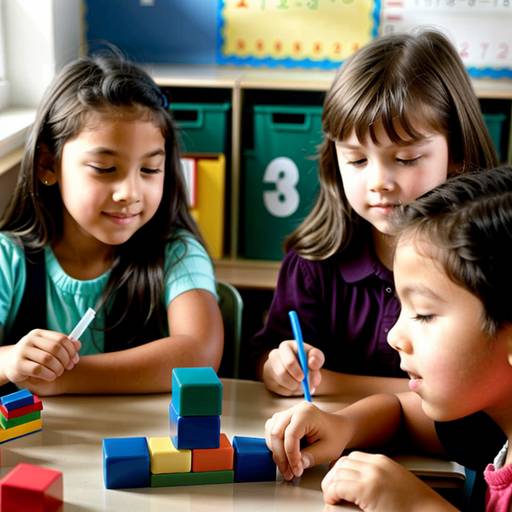
In this 1st-grade math lesson, students will explore the concept of addition with single-digit numbers through interactive and engaging activities. The lesson begins with a discussion to introduce addition, utilizing a number line to illustrate the concept. A storytelling session featuring a relatable children's book emphasizes the idea of combining quantities.
Following this, students will receive direct instruction on solving simple addition problems using manipulatives, allowing them to visualize and understand the concept hands-on. Small group and independent practice sessions will reinforce their learning as they use counting blocks and worksheets to solve addition problems, promoting cooperation and communication among students.
The lesson concludes with a brief sharing session where students reflect on what they learned and participate in a fun number game to reinforce their understanding. Assessment will be conducted through the review of worksheets and observation of group interactions, allowing for adaptation to individual student needs. This approach fosters a supportive and engaging environment as students build foundational skills in addition.
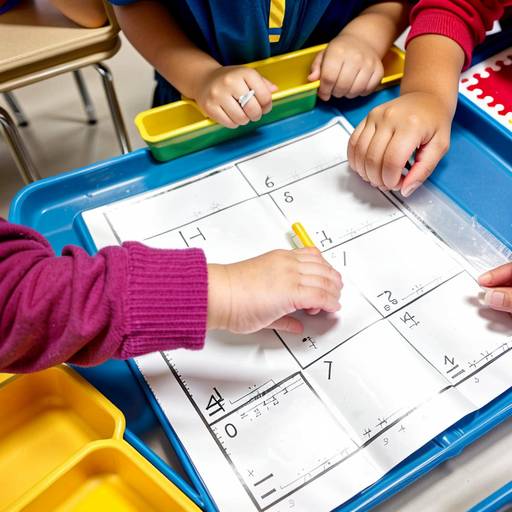
In this first-grade math lesson, students will explore the concept of addition using manipulatives to enhance their understanding through hands-on experience. The lesson begins with a review of counting, followed by a demonstration of addition using visual examples on the whiteboard. Students will work in small groups, where they will practice solving addition problems with blocks or LEGO, recording their equations on math mats. During guided practice, they will engage in collaborative problem-solving, while independent practice will encourage them to create their own addition problems. The class will then reconvene to share their work, facilitating discussion and reinforcing the concept of addition as putting together. Assessment will be based on observations during group activities and the accuracy of written equations on math mats, allowing for tailored support to address individual learning needs. The lesson aims to foster a solid foundation in addition while promoting teamwork and communication skills among students.
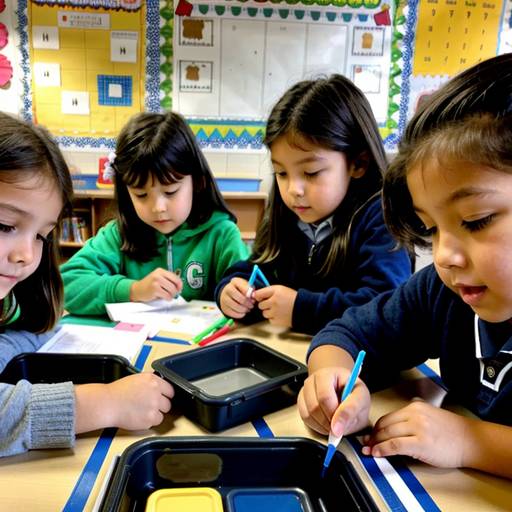
In this 1st grade math lesson plan, students learn about addition through engaging word problems related to animals. The lesson begins with a warm-up discussion about favorite animals, followed by an introduction to addition using visual aids. The teacher demonstrates how to solve a simple word problem on the board, emphasizing comprehension and problem-solving strategies.
Students then work collaboratively in small groups to solve a series of addition word problems using counters and their “Critter Count” posters. This guided practice is followed by independent work where each student completes a worksheet with various addition problems.
Throughout the lesson, students are encouraged to share their solutions and reasoning, reinforcing their understanding of addition in real-life scenarios. The teacher assesses student comprehension through observations and collected worksheets, while also providing differentiated support to meet individual learning needs. Overall, the lesson aims to build foundational addition skills in a fun and interactive way.
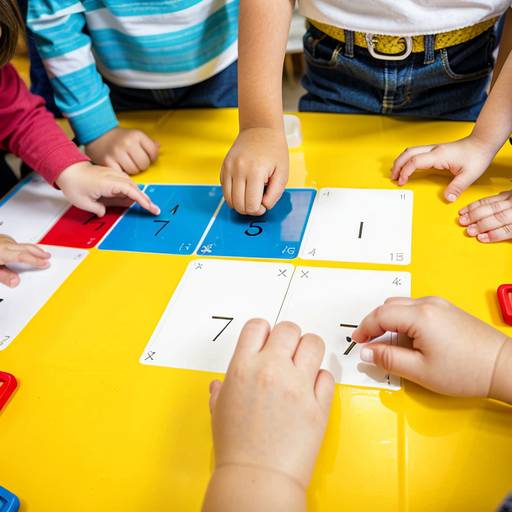
This 1st-grade math lesson focuses on introducing students to the concept of addition using manipulatives to enhance understanding. Over the course of 45 minutes, students will engage in a warm-up discussion to familiarize themselves with addition in real-life contexts. They will explore colorful counters, which will serve as their primary manipulatives for the lesson.
The teacher will model simple addition problems on the whiteboard, demonstrating how to combine groups of counters to find solutions. Students will then partner up to create and solve their own addition problems, utilizing their counters to reinforce the concept. After guided practice, students will complete a worksheet where they draw counters to visualize their answers.
The lesson will conclude with a review of the concepts learned, and students will reflect on their work by writing down an addition problem and its answer as an exit ticket. Assessment will occur through observation and worksheet review, allowing the teacher to gauge student understanding. The lesson includes extensions for advanced learners and modifications for those who need additional support, ensuring a comprehensive approach to teaching addition.