
Filters
Level
Grade
Subject
Subject Area
Subject Topic
Standard(s)
Audience
Keyword
DurationMinutes
1st Grade Art Lesson Plans

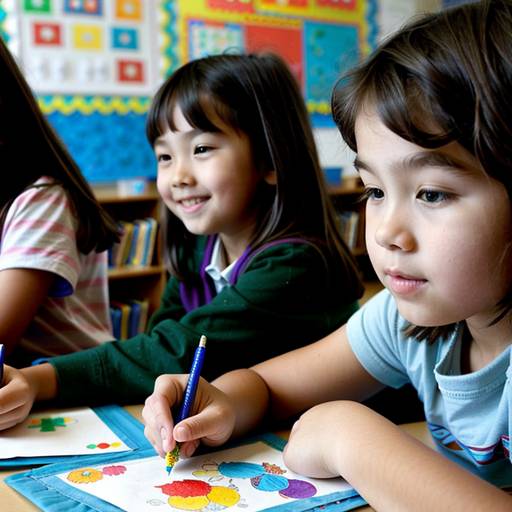
In this 1st grade art lesson, students engage in drawing by leveraging basic shapes and lines to create their own unique critters, inspired by both real and imaginary animals. The lesson begins with a discussion about favorite animals, followed by a demonstration where the teacher illustrates how to combine shapes to form a critter. Students then create their own critters, encouraged to add details and colors, enhancing their creativity and fine motor skills. The class concludes with a sharing session where students present their creations and reflect on their artistic experience. The lesson aims to foster imagination while introducing foundational art techniques in a fun and interactive way.
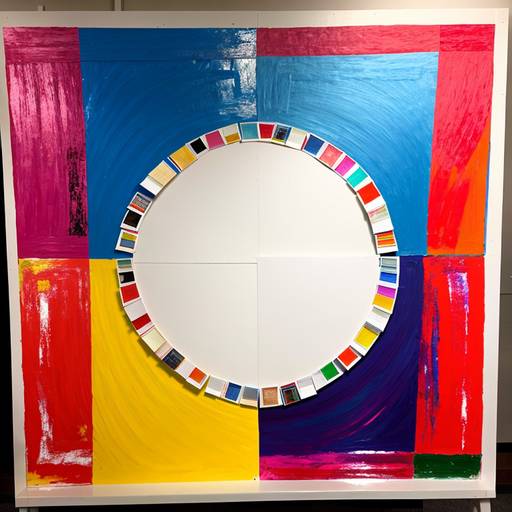
In this art lesson for first graders, students will explore the concept of mixed media by creating their own artwork using a variety of materials. The lesson begins with a group discussion about art to spark students' interest and understanding. A demonstration will follow, showcasing how to combine different items like paper, fabric, and natural elements to add texture and visual interest to their creations.
During the main activity, students will have the opportunity to gather materials and create their mixed media art pieces, allowing their creativity to flourish. As they work, the teacher will circulate to provide assistance and encouragement, fostering a supportive artistic environment.
After the art creation session, students will clean up their work areas and participate in a reflection portion where they can share their artwork and the inspirations behind their choices. Assessment will be based on participation and the uniqueness of their final pieces. Extensions of the lesson may include creating a class gallery to showcase their work or encouraging students to create additional pieces at home with recycled materials. Overall, the lesson emphasizes creativity, the use of various artistic techniques, and self-expression through different art forms.
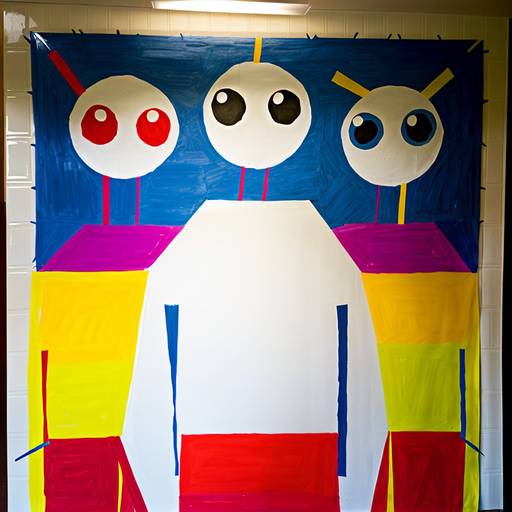
In this first-grade art lesson, students will learn about various types of lines and shapes while engaging in a creative drawing activity. The lesson begins with a discussion on identifying and describing straight, curved, and zigzag lines, along with circles, squares, and triangles. Following a demonstration of how to combine these elements to create a monster, students will sketch their unique creations using pencils. Once their sketches are complete, they will color their monsters with crayons or markers, adding details like textures or patterns.
The class will then come together to share their artwork, allowing each student to describe the lines and shapes used in their designs. The teacher will assess participation and understanding throughout the activity. The lesson concludes with artwork displayed in a "Monster Gallery" in the classroom, celebrating the creativity and individuality of each student. Extension activities may include storytelling or organizing a "Monster Parade" to showcase the creations to other classes.
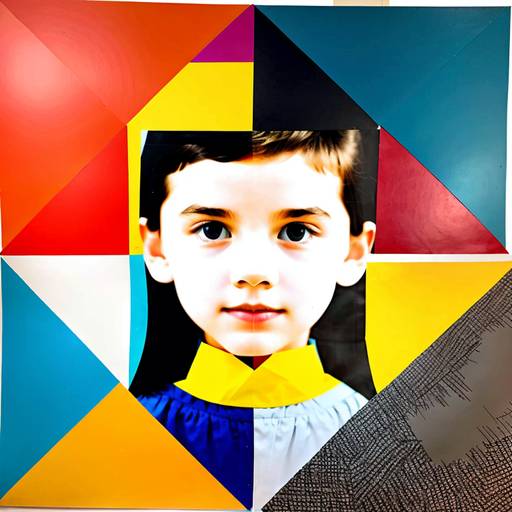
In this art lesson for 1st graders, students will explore the concept of collage by focusing on shapes and textures. The session begins with an introduction to collage and a discussion about the various shapes found in their environment. A demonstration follows, teaching students how to cut shapes from construction paper and magazines, as well as how to layer and glue these pieces together. After practicing cutting shapes, students will create their own unique collages, encouraging creativity and individual expression. Once completed, they will share their artwork with classmates, explaining the shapes and ideas behind their creations. The lesson emphasizes the understanding of basic art techniques and promotes artistic growth through hands-on experience. Cleanup time is designated to ensure a tidy workspace. Extensions are available for students who finish early, allowing for additional creative exploration.
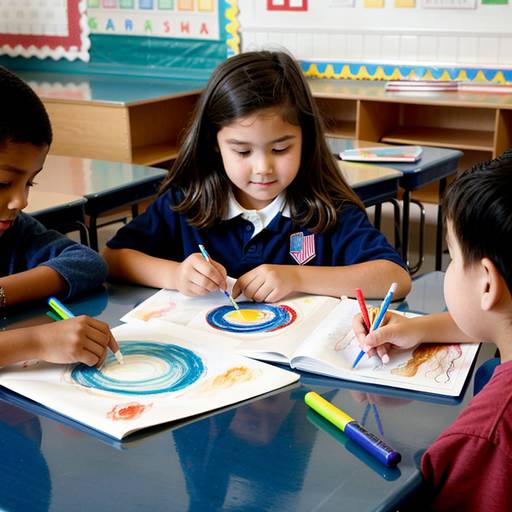
In this 1st-grade art lesson, students will explore how to express emotions through basic drawing techniques using shapes and lines. The lesson begins with a discussion about feelings and how they can be illustrated in art. Students will practice creating simple shapes and lines, learning to combine them into structures that represent different emotions.
After this guided practice, each student will select an emotion from illustrated cards and create their own imaginary world or scene that reflects that feeling. They will have the opportunity to use various colors to enhance their artwork, fostering creativity and individuality. As they work, the teacher will provide support and encouragement.
The lesson concludes with students sharing their drawings with the class, discussing the emotions represented and the techniques used. Assessment will be based on participation, creativity, and the application of art techniques in their work. Extensions to the lesson may include collaborative projects and storytelling activities.
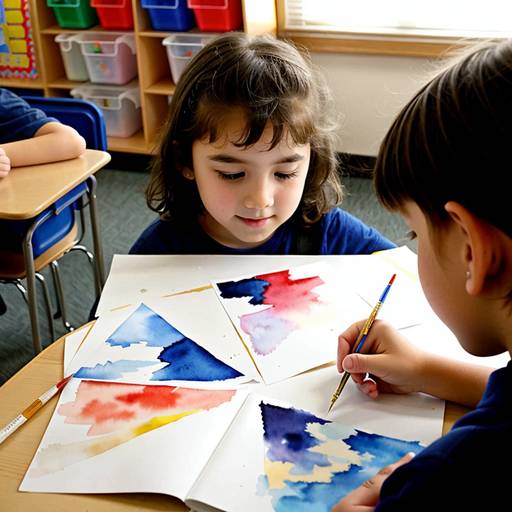
In this 1st Grade art lesson, students will learn basic techniques of watercolor painting, focusing on wet-on-wet and wet-on-dry methods. The lesson begins with a discussion and demonstration of these techniques, showcasing how colors blend and create textures. Students will then practice each technique before using them to create their own landscape paintings, incorporating primary colors and mixing them to form secondary colors. As they work, they will be encouraged to share their thoughts and artistic choices with the class. The lesson concludes with a reflection on their experiences and what they learned about watercolor techniques, along with a focus on cleaning up their work areas. Assessment will be based on observation during the activities and the final paintings, emphasizing creativity and the application of techniques. Extensions for future lessons will also be suggested to further explore watercolor art.
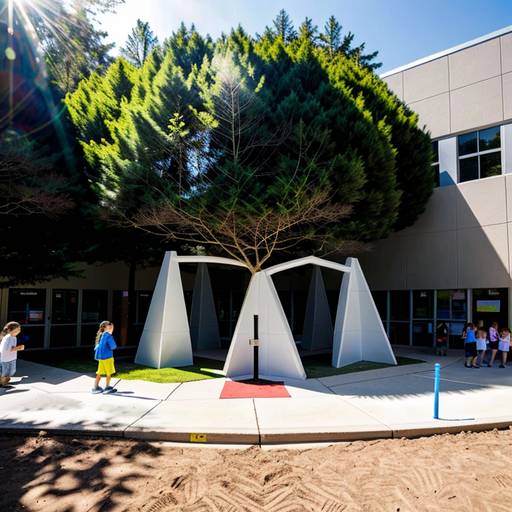
In this 1st-grade art lesson, students will engage in the exploration of sculpture using natural and recyclable materials. The lesson begins with a discussion about what sculpture is, highlighting its differences from other art forms and showcasing examples to inspire creativity. Students will then go outside to collect a variety of materials, emphasizing the shapes and textures found in nature.
After gathering their materials, students will brainstorm and sketch designs for their sculptures, considering how to combine different elements. They will then participate in a hands-on sculpting activity, building their creations using the collected materials and adhering to their designs. Throughout the activity, the teacher will provide guidance and support.
Finally, students will share their finished sculptures with the class, describing their inspiration and the materials used. This reflective and sharing component encourages critical thinking and peer interaction. Assessment will focus on creativity, engagement during the process, and participation in the discussion. Extensions could include organizing an exhibition for the sculptures, exploring other artists who use similar materials, or incorporating writing activities inspired by their creations.
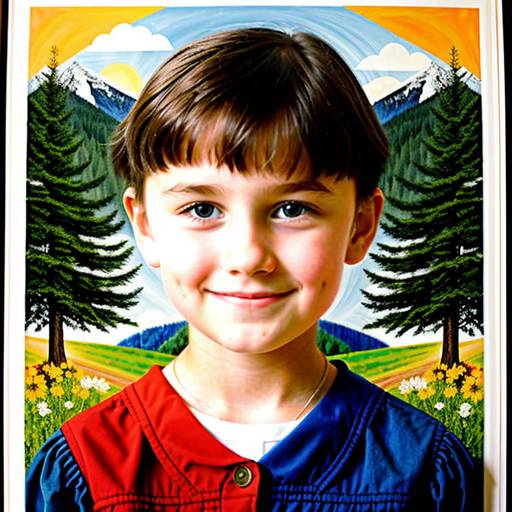
In this 1st-grade art lesson, students explore the art technique of collage by creating their own unique compositions using various materials. The lesson begins with an introduction to collages, including discussions and visual examples to stimulate students' interest and understanding. Following this, students engage in hands-on exploration of magazines and natural items, practicing their cutting and arranging skills while focusing on shapes and textures.
During the main activity, each student assembles their chosen materials onto a large sheet of paper, carefully arranging their cut-outs before gluing them down. Throughout the process, the teacher provides guidance and feedback, encouraging creative choices.
The lesson concludes with a reflection and sharing session, where students discuss their work with peers, promoting communication and collaboration. A clean-up period ensures that materials are organized for future use. Assessment is based on observation of students' engagement and creativity, with opportunities for extension through display and class publications of their artwork. This lesson fosters artistic expression, fine motor skills, and camaraderie among students.
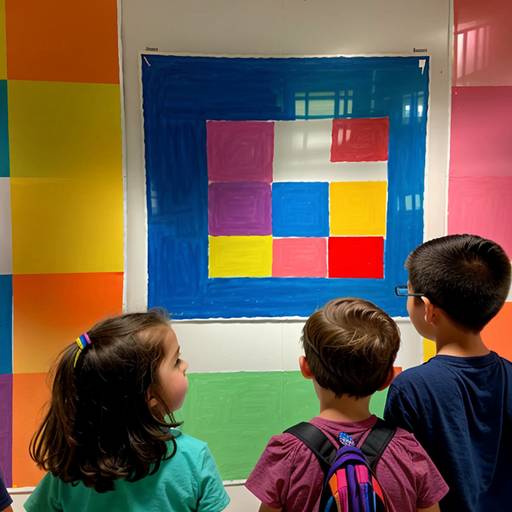
In this 1st Grade art lesson, students will explore the elements of art through a hands-on activity focused on color theory and shape recognition. The lesson begins with an engaging discussion about colors, where students will identify primary and secondary colors using a color wheel. They will also learn about basic shapes like circles, squares, triangles, and rectangles.
After the introduction, students will work in small groups to create a large mural using crayons, markers, and optional paint. They will have the opportunity to mix colors and utilize various shapes to design their sections of the mural, allowing their creativity to shine. The lesson concludes with a sharing session where students reflect on their artwork and discuss the colors and shapes they used. This collaborative activity not only fosters artistic skills but also encourages teamwork and self-expression.
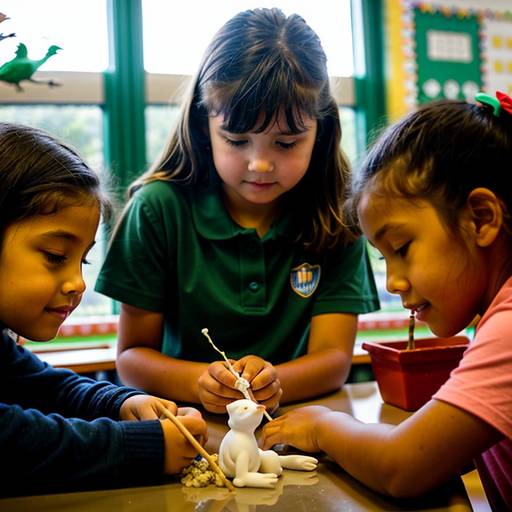
In this 1st-grade art lesson, students will explore the concept of sculpture by creating their own animal figures using air-dry clay. The lesson begins with a discussion about different art forms, emphasizing the three-dimensional aspect of sculpture. Students will have the opportunity to observe sample animal sculptures and share their favorite animals.
Following the introduction, students will learn sculpting techniques, including rolling clay into various shapes and using tools to add texture and detail. They will then engage in a hands-on activity where they will mold their chosen animal sculptures, allowing for individual creativity and expression.
Once their sculptures are complete, students will present their work to the class, sharing insights about their creative process and the characteristics of their animals. The lesson will conclude with a classroom cleanup and a brief discussion about future opportunities for decorating their sculptures with paint.
Assessment will focus on students' ability to manipulate the clay, their creativity, and their understanding of the sculpting process. Extension activities may include creating a classroom exhibit to showcase the sculptures and writing short stories or fact sheets related to the animals they created. Overall, this lesson aims to combine artistic expression with educational content about animals.