
Filters
Level
Grade
Subject
Subject Area
Subject Topic
Standard(s)
Audience
Keyword
DurationMinutes
1st Grade Art Lesson Plans

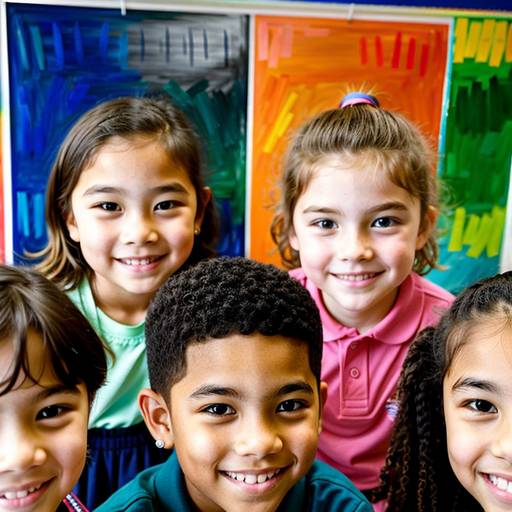
In this 1st-grade art lesson, students will explore the concepts of primary and secondary colors through hands-on painting activities. The lesson begins with a discussion about colors, encouraging students to share their favorites and observe the colorful world around them. A demonstration will follow, where the teacher showcases how to mix primary colors (red, blue, yellow) to create secondary colors (green, orange, purple), using a color wheel for visual reference.
In guided practice, students will create blocks of color on their construction paper, painting sections with both primary and mixed secondary colors. Following this, they will have the opportunity to independently create their own artwork using the colors they've made, allowing them to express their creativity.
The lesson wraps up with a sharing session where students present their artworks and explain the colors they've used. Assessment will focus on their engagement with the materials, understanding of color mixing, and the final artwork produced. Adaptations are available for varying skill levels, ensuring all students can participate and enjoy the exploration of color in art.
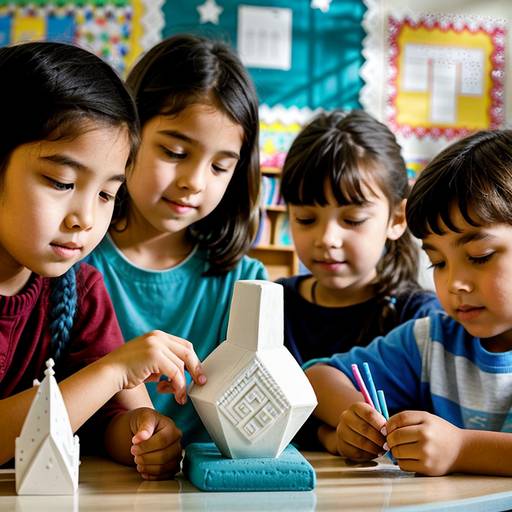
In this 1st grade art lesson, students will dive into the world of three-dimensional art by creating unique sculptures using air-dry clay. They will begin with a discussion about what sculpture is and how it differs from other art forms, while examining examples of various sculptures. Following this, students will explore basic shapes by modeling them in clay.
After a brief sketching activity to brainstorm their clay creature designs, students will have the opportunity to construct their sculptures using different clay shapes to form bodies, heads, and details. Throughout the activity, they will learn to combine shapes, attach pieces, and smoothly finish their creations.
At the end of the lesson, students will showcase their sculptures to the class, sharing stories about their creations and the shapes they used. The lesson will be assessed through observation of participation, creativity, and the final sculptures. Students will leave with an understanding of basic shapes in sculpture and a newfound appreciation for three-dimensional art.
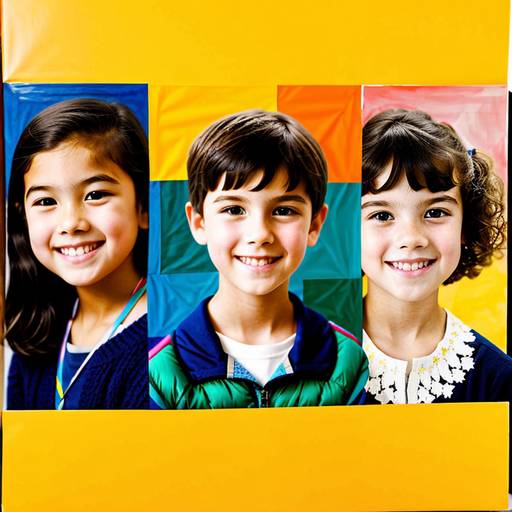
In this 1st-grade art lesson, students will explore basic art techniques through the creation of a collage using various materials such as colored construction paper, magazines, scissors, glue, crayons, and optional natural elements. The lesson begins with an introduction to collages, showcasing different styles and discussing composition, color, and texture. A demonstration follows, where students learn to safely cut and arrange their materials before gluing them onto a background. Guided and independent practice will allow students to create their own collages based on a theme or story of their choice, fostering creativity and personal expression. The lesson culminates with students sharing their artwork in pairs or small groups, reflecting on their creative choices. Assessment will focus on students' understanding of collage techniques and their engagement in the process. An extension activity encourages students to continue exploring collage themes over time. Finally, the lesson emphasizes the joy of creating art and the value of sharing creative experiences.
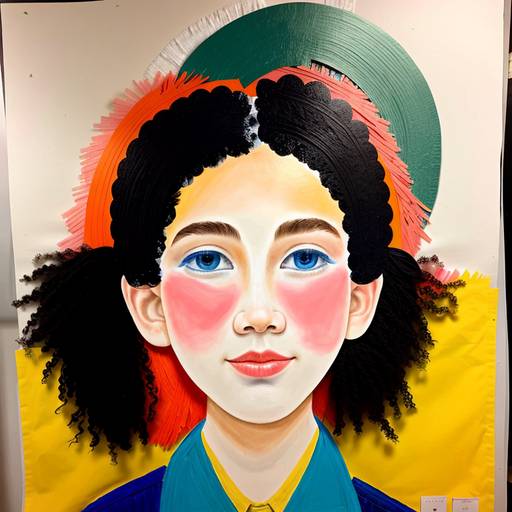
In this first-grade art lesson, students will engage in a mixed media project that allows them to explore various art forms, including drawing, painting, and collage. The session begins with a discussion about different artistic techniques and an overview of mixed media art, showcasing examples that illustrate how diverse materials can be combined.
A demonstration follows, where students learn how to create a simple artwork by layering drawings with watercolor painting and collage elements. After the demonstration, students will have 30 minutes to create their own mixed media pieces, encouraging them to incorporate elements from each category while using innovative materials and textures.
The lesson concludes with a sharing circle, where students present their artworks and reflect on their creative process. The instructor will assess engagement, creativity, and the effective use of mixed media throughout the activity. Extension opportunities include a take-home assignment for further artistic exploration and a potential classroom exhibition to display student work.
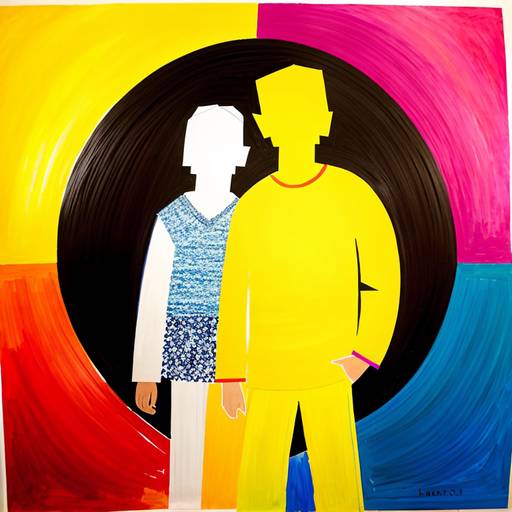
This lesson plan is designed for 1st-grade students to explore the basic elements of art, with a focus on color theory. Students will learn about primary colors (red, blue, yellow) and how to mix them to create secondary colors (green, orange, purple). The lesson begins with a discussion about colors and a visual demonstration using a color wheel.
Following this introduction, students will engage in a hands-on art activity where they create a landscape or abstract painting using watercolor paints. They will be encouraged to experiment with mixing colors and incorporating at least one primary and one secondary color into their artwork. Once their paintings are complete, students will have the opportunity to enhance their creations with crayons or colored pencils.
To conclude the lesson, students will participate in a gallery walk, showcasing their artwork and reflecting on their experiences. They will share their favorite colors and discuss any new colors they discovered through mixing. The lesson emphasizes creativity, engagement, and a foundational understanding of color theory and the elements of art, ensuring an enjoyable and educational experience. Additional activities can extend the learning by incorporating collage work or exploring warm and cool colors in future lessons.
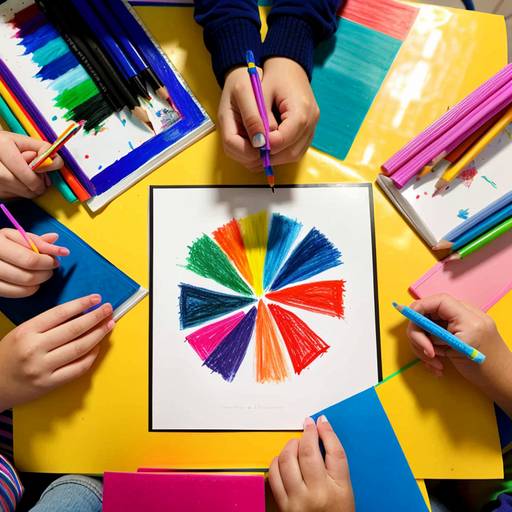
In this 1st Grade art lesson, students will explore basic drawing techniques by creating their own imaginative creatures using lines and shapes. The session begins with a discussion about real and imaginary animals to inspire creativity. The teacher will demonstrate how to break down a creature into basic shapes while adding details with lines. Students will then practice sketching their creatures using pencils before adding color with crayons or colored pencils, allowing for individual expression. As the lesson concludes, students will share their creations with the class, fostering a sense of pride in their unique artistic expressions. The lesson emphasizes creativity, the use of color, and the importance of imaginative thinking in art. Extensions may include creating a habitat for the creatures in future lessons, further expanding on their artistic skills.
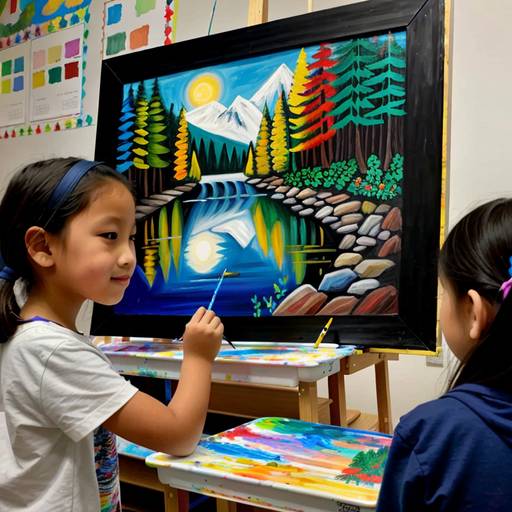
In this 1st-grade art lesson, students will explore basic painting techniques and color theory through the creation of nature-themed artwork. The lesson begins with a discussion about nature and the colors found within it, followed by a demonstration of various brush strokes and color blending, including the mixing of primary colors to create secondary colors. After sketching their nature scenes, students will use watercolor paints to apply the techniques they've learned while experimenting with different colors and brush strokes. The session concludes with a sharing time where students present their artwork and reflect on their learning experiences. Assessment will focus on students' engagement, creativity, and application of techniques throughout the project, with opportunities for extension activities in other mediums.
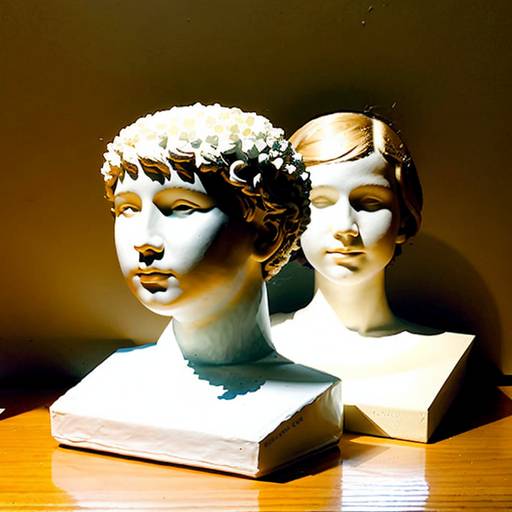
In this 1st-grade art lesson, students will explore the concept of sculpture using everyday materials to create three-dimensional art. The lesson begins with a discussion about what sculpture is and an introduction to various materials typically used in sculpting. A demonstration will show students how to manipulate wire and modeling clay, as well as how to combine these materials with recyclable items.
During the hands-on activity, students will create their own sculptures, incorporating at least three different materials while focusing on shapes and textures. The lesson also includes a cleanup time and concludes with a sharing session where students can present their sculptures to the class, explaining their inspiration and design choices. The assessment will involve observing students' engagement, creativity, and ability to articulate their thoughts about their sculptures. Extensions can include creating sculptures at home or exploring famous sculptors and their work.
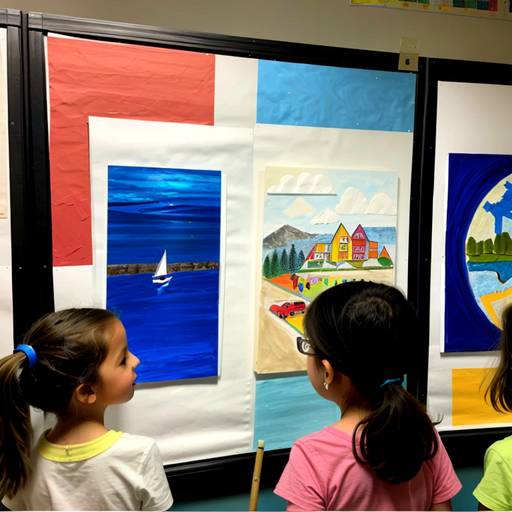
In this 1st grade art lesson, students will explore basic art techniques including cutting, gluing, and layering by creating their own collages. The lesson begins with a discussion about what a collage is, along with examples to inspire the children. Students will then gather materials from magazines, newspapers, and textured items, cutting out shapes and images that resonate with a chosen theme or story. They will arrange these pieces on construction paper, learning to layer and glue them effectively. To enhance their collages, they can add details using markers or crayons. The activity concludes with a gallery walk where students share their collages and discuss the techniques they used, fostering a sense of community and reflection on their creative process. Assessment will focus on participation and the creativity displayed in their final artwork. Extension activities and adaptations are included for varied learning needs, ensuring every student can engage meaningfully with the project.
In this 1st Grade art lesson, students will explore the concept of mixed media by creating collages using a variety of materials. The lesson begins with a discussion on what art is and an introduction to collages made from different items. Following a demonstration on how to cut, layer, and glue materials, students will have the opportunity to create their own collages. They will use construction paper, magazine cutouts, and textured materials, encouraging creativity and individual expression. After the creation process, students will clean up their workspaces before sharing their collages with the class for feedback and reflection. Assessment will focus on student participation, creativity, and the effective use of mixed media. Additional modifications and extensions are provided to support diverse learners and deepen the exploration of art forms.