
The Kindergarten curriculum encompasses a comprehensive approach to early education, focusing on foundational literacy, numeracy, scientific inquiry, and social studies concepts. Students will develop phonological awareness, reading comprehension, and writing skills within the English language arts framework. In mathematics, the curriculum emphasizes counting, basic operations, measurement, and geometry through engaging activities. Science encourages exploration of physical, life, and earth sciences, fostering curiosity about the natural world. Social studies introduces students to concepts of history, geography, and civic responsibility, promoting awareness of their community and the world. Additionally, the curriculum incorporates fine arts and physical education to support creativity and physical development, creating a well-rounded educational experience for young learners.
The 1st Grade Curriculum encompasses a comprehensive range of subjects designed to develop foundational skills in young learners. In English Language Arts, students are guided in reading comprehension, writing, and effective communication, focusing on phonics, grammar, and vocabulary. The mathematics component emphasizes basic operations, number sense, measurement, and geometry. Science exploration includes physical science concepts, life sciences related to plants and animals, and introductory Earth and space studies. Social studies promotes understanding of geography, history, civics, and basic economics. Health education emphasizes personal well-being, decision-making, and relationship skills, while physical education encourages active participation and teamwork. Additionally, creative expression is fostered through fine arts, and technology is integrated to enhance learning experiences across all subjects. Overall, the curriculum aims to provide a well-rounded education that prepares students for future academic success and personal growth.
The 2nd grade curriculum focuses on essential foundational skills across multiple subjects, enhancing students' academic growth. In reading, students develop phonemic awareness, fluency, and comprehension by engaging with various texts and exploring key themes and details. The writing component emphasizes sentence structure, organization, and grammar as students create narratives, informational pieces, and opinion essays. In mathematics, students learn place value, operations (addition, subtraction, multiplication, and division), and measurement while developing problem-solving skills and interpreting data. The science curriculum encourages inquiry through hands-on experiments and the study of living organisms, matter, and ecosystems. Additionally, social studies foster an understanding of community, citizenship, cultural diversity, and historical events, preparing students to become informed and engaged citizens.
The 3rd grade curriculum provides a comprehensive framework for educators to enhance student learning across key subject areas, including English Language Arts, Mathematics, Science, Social Studies, Fine Arts, and Physical Education. In English Language Arts, students develop reading comprehension, writing skills, and effective communication. The Mathematics component focuses on foundational skills in number operations, algebra, geometry, and data interpretation. The Science curriculum encourages hands-on exploration of physical, life, and earth sciences, while the Social Studies section fosters understanding of geography, history, civics, and economics. Additionally, the Fine Arts program promotes creativity through visual arts, music, and performance, and the Physical Education component emphasizes fitness, cooperation, and health. Overall, the curriculum is designed to inspire curiosity, critical thinking, and a lifelong love of learning among 3rd graders.
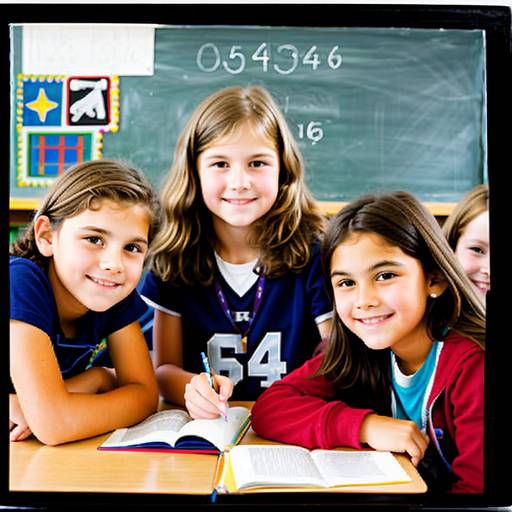
The 4th-grade curriculum encompasses a comprehensive approach to foundational learning across key subjects, designed to promote critical thinking and creativity. In reading, students engage with various texts, focusing on comprehension, character analysis, and theme identification. The writing component emphasizes narrative, opinion, and informational styles, encouraging logical organization and detail-rich expression. Speaking and listening activities foster effective communication skills, while the language section enhances knowledge of grammar and vocabulary. In mathematics, students explore basic operations, problem-solving, and concepts related to measurement and geometry. The science curriculum encourages inquiry through hands-on experiments and exploration of fundamental scientific principles. Finally, the social studies segment involves examining historical, geographical, and cultural aspects, emphasizing citizenship and global interconnectedness. Overall, the curriculum aims to develop well-rounded students equipped with essential skills for academic success and social responsibility.
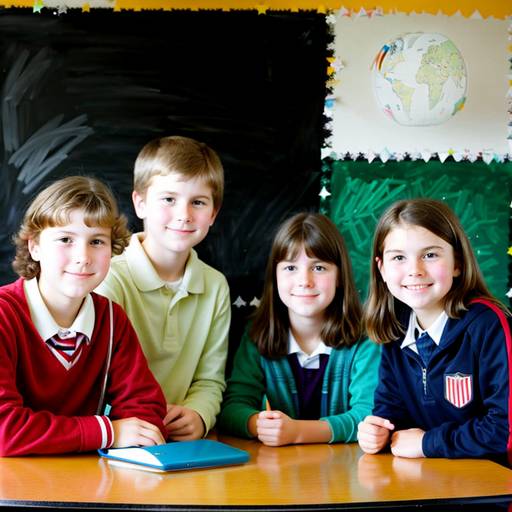
The 5th Grade Curriculum encompasses a comprehensive and engaging educational framework designed to foster student growth in key areas. In English Language Arts, students enhance their reading, writing, speaking, and listening skills through diverse texts and collaborative discussions. The Mathematics component emphasizes critical thinking and problem-solving, focusing on operations, algebra, geometry, and real-world applications. Science education encourages exploration of physical, life, and earth sciences through hands-on experiments, while Social Studies addresses geography, history, civics, and economics, promoting informed citizenship. Health education highlights personal wellness and safety, while Physical Education emphasizes fitness and teamwork. The Art curriculum nurtures creativity through various artistic expressions, and the Technology segment provides essential digital literacy and responsible technology use, preparing students for a digitally connected world. This holistic approach aims to cultivate well-rounded individuals equipped for future challenges and opportunities.