
Filters
Level
Grade
Subject
Subject Area
Subject Topic
Standard(s)
Audience
Keyword
DurationMinutes
Toddler Hand Washing Lesson Plans


In this engaging lesson plan designed for toddlers, the focus is on teaching the importance of handwashing as a key aspect of self-care and hygiene. The session begins with a circle discussion to spark interest and curiosity about germs and the benefits of clean hands. Through a fun demonstration, children learn the step-by-step process of proper handwashing, including how to wet their hands, apply soap, scrub for at least 20 seconds, rinse, and dry.
As they practice in small groups, adults provide guidance and encouragement, ensuring each child can follow the procedure independently. The lesson is punctuated with songs to make the experience enjoyable and memorable. Towards the end, children reflect on their learning, discussing when and why they should wash their hands, solidifying their understanding of hygiene. An optional follow-up activity encourages continued practice at home, helping to instill healthy habits into their daily routines. Overall, the lesson aims to promote awareness and enthusiasm around hand hygiene in a playful and supportive environment.
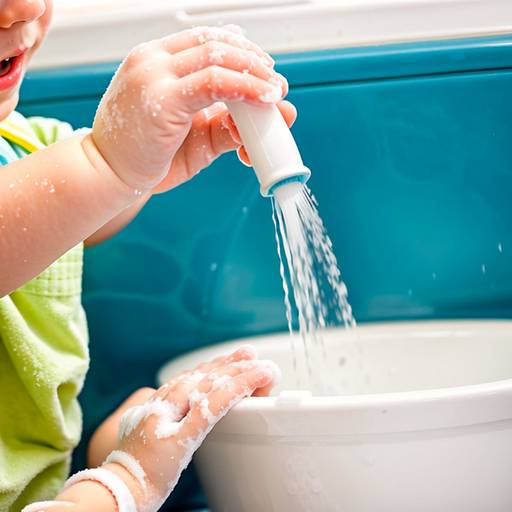
This lesson plan focuses on teaching toddlers the importance of hand washing as a key aspect of hygiene and self-care. The activities begin with a discussion about why hand washing is essential, followed by a story that reinforces the concepts being taught. A demonstration visually illustrates the proper steps for washing hands, highlighting the recommended duration through a catchy song.
To enhance understanding, children participate in a fun experiment using glitter to represent germs, allowing them to see how easily germs can spread and the effectiveness of proper hand washing techniques. The lesson also includes a craft activity where children create their own hand washing charts, reinforcing their learning in a creative way.
Throughout the session, educators monitor engagement and understanding, while encouraging children to share when they will wash their hands next. The plan aims to build healthy habits in a fun, interactive environment, ensuring that children grasp the importance of maintaining cleanliness through effective hand washing practices.
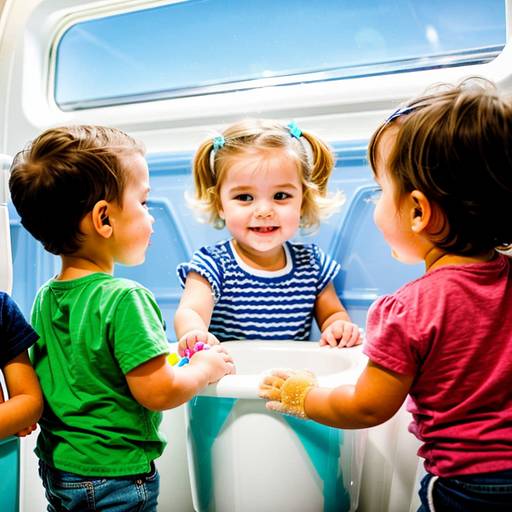
This lesson plan is designed for toddlers aged 2-4 and focuses on teaching the importance of hand hygiene, specifically through effective hand washing techniques. The session begins with a brief introduction to the significance of clean hands, encouraging children to share their thoughts on the topic. A fun, illustrated story about hand washing serves as the foundation, captivating the children's attention while reinforcing the concept.
Following the story, a demonstration of proper hand washing is conducted, highlighting each step from wetting the hands to drying them, accompanied by visual aids. Children then practice these techniques in a hands-on activity, receiving guidance and positive reinforcement as they learn.
To reinforce the lesson, children create their own hand washing charts using arts and crafts materials, which they can take home as a reminder of the steps learned. The session wraps up with a group discussion and a catchy hand washing song, ensuring the children leave with a clear understanding of how to keep their hands clean. The lesson encourages continued practice at home and provides parents with tips to make hand hygiene a fun and integral part of daily routines.
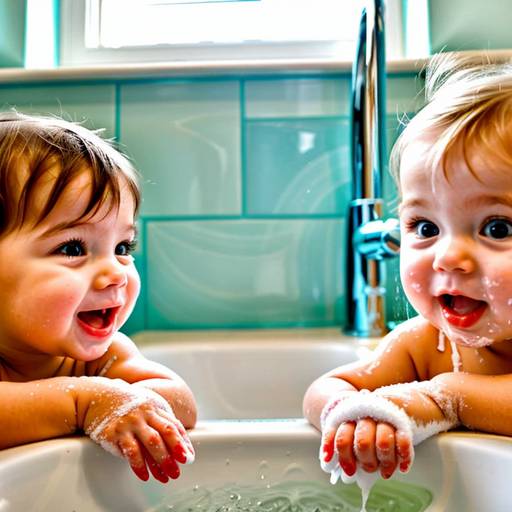
This lesson plan focuses on teaching toddlers the importance of hand washing and the correct techniques involved in maintaining hygiene. The session begins with a circle time discussion about hands, allowing children to express what they do with them, followed by an explanation of how hand washing helps prevent illness by removing germs.
The instructor demonstrates proper hand washing steps using a sink or a visual aid, which include wetting hands, applying soap, lathering for at least 20 seconds, rinsing, and drying. Children then practice washing their hands under supervision to reinforce the steps. A fun hand washing song or rhyme is taught to engage the children and make the learning experience enjoyable.
The lesson concludes with a recap of key learning points, encouraging children to share when they should wash their hands. Each child receives a sticker or stamp as a reward for their participation. The plan emphasizes hands-on practice, interactive learning, and positive reinforcement to foster good hygiene habits among toddlers.