
Filters
Level
Grade
Subject
Subject Area
Subject Topic
Standard(s)
Audience
Keyword
DurationMinutes
Toddler Getting Dressed Lesson Plans

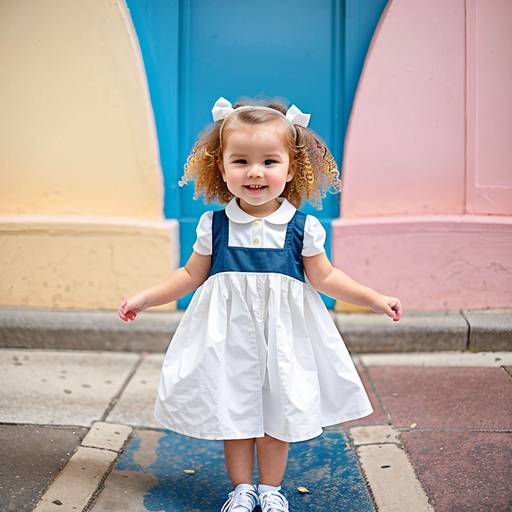
This lesson plan focuses on teaching toddlers the importance of self-care and hygiene through engaging activities centered around getting dressed. The objectives include helping children identify different articles of clothing, understand their purposes, and practice dressing skills.
The session begins with an introduction to clothing concepts, followed by a storytime featuring a book that illustrates various clothing items for different occasions. Children will explore a selection of clothing items, matching them with picture cards to reinforce learning.
During a dress-up activity, toddlers will dress dolls or stuffed animals and, if space permits, try on clothing themselves. Music will play a role as participants sing a fun song about getting dressed while practicing the movements involved in the process. The lesson concludes with a closing circle, where children reflect on their favorite clothing and the importance of dressing themselves.
Throughout the lesson, assessment will be based on children's engagement and participation in activities, while opportunities for adaptations ensure support for all learners. Overall, this plan promotes independence and fine motor skills in a fun, interactive environment.
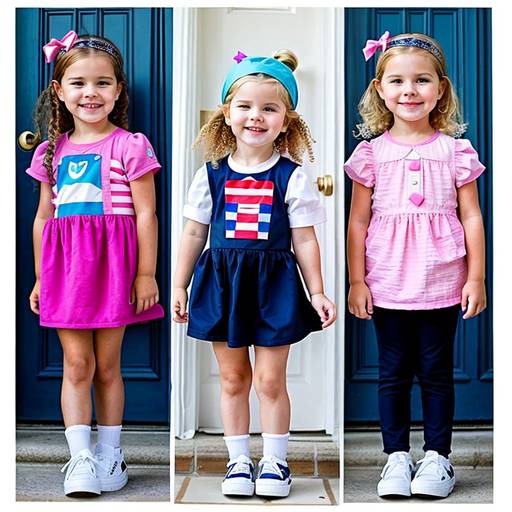
This lesson plan focuses on helping toddlers develop essential self-care skills related to getting dressed. It begins with an engaging circle time where children explore the importance of clothing, followed by a story that highlights various outfits. The next activities include a matching game to identify different clothing items and a fun dressing relay that teaches the correct order for putting on clothes, fostering both cooperation and physical skills.
To reinforce hygiene, children will learn the importance of keeping clothes clean and engage in a brief handwashing discussion. The lesson concludes with a reflective circle where children share their favorite moments and a farewell song to wrap up the session positively. Throughout the activities, the emphasis is on building confidence and independence in dressing, making it an enjoyable and educational experience.
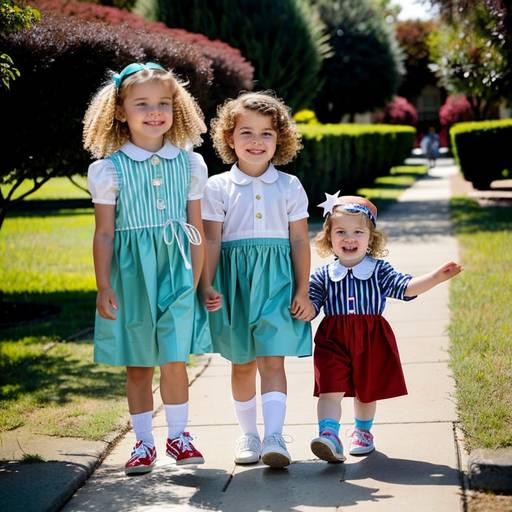
This lesson plan focuses on teaching toddlers the importance of getting dressed independently while promoting self-care and hygiene. It begins with a circle time discussion, where children are encouraged to talk about different clothing items and when to wear them. A story related to dressing is read to reinforce vocabulary and concepts, followed by an interactive dressing activity where students practice putting on various clothing items with guidance.
To enhance engagement, a movement and music segment invites children to mimic dressing actions, fostering both physical activity and fun. The lesson wraps up with a reflection circle, allowing students to share their favorite clothing items and discuss the feelings associated with dressing by themselves. An optional extension activity includes creating a chart for students to track their progress in dressing independently at home. Overall, the lesson aims to foster independence, improve fine motor skills, and encourage a positive attitude toward self-care routines.
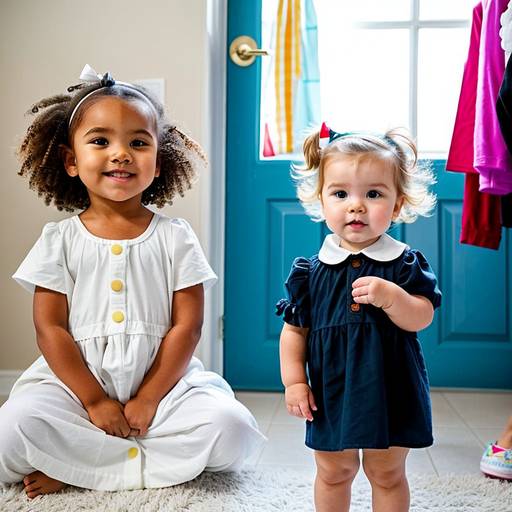
This lesson plan focuses on teaching toddlers essential self-care and hygiene skills related to getting dressed. Aimed at children aged 2-4, the activities include identifying various clothing items, practicing putting on simple garments, and promoting independence. The session begins with a discussion about clothing, followed by interactive activities such as a dress-up relay, where children work in teams to dress up partners or dolls. They also engage in peer pairing to assist each other in dressing, fostering social skills and cooperation.
During a "Mirror Time" segment, children reflect on their appearance, enhancing their self-image and confidence. The lesson concludes with a reflection circle and a fun sing-along, reinforcing the enjoyment of getting dressed and expressing personal preference. Observations will be made to assess participation and comfort with dressing skills, and optional extensions include a dedicated dress-up area for ongoing practice. This engaging lesson supports the development of fine motor skills, social interaction, and self-esteem in young learners.