
Filters
Level
Grade
Subject
Subject Area
Subject Topic
Standard(s)
Audience
Keyword
DurationMinutes
Toddler Self Care And Hygiene Lesson Plans


This lesson plan focuses on teaching toddlers the essential skills and concepts related to toileting. Aimed at children aged 2-4 years, the session begins with an engaging storybook that introduces the topic and highlights the importance of using the toilet. Interactive discussions follow, allowing children to share their experiences and feelings about toileting.
Visual demonstrations reinforce the steps involved in using the toilet and proper hygiene practices. Hands-on practice includes role-playing scenarios using toy toilets or dolls to simulate the process, promoting familiarity and confidence. Emphasis is placed on the importance of washing hands afterward, with a fun song incorporated into the handwashing routine.
The lesson concludes with a recap of what was learned, rewarding participation with stickers or stamps to encourage positive reinforcement. Children are invited to share their newfound knowledge with family members, fostering a connection between home and school. Observations throughout the lesson serve to assess understanding and readiness. Overall, this engaging approach aims to empower toddlers with the skills and confidence to master toileting independently.
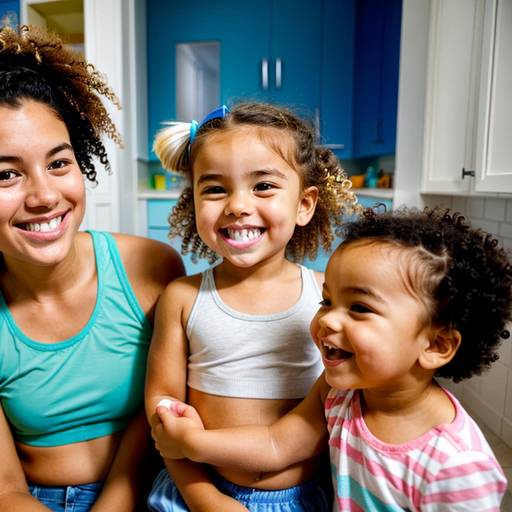
This lesson plan is designed for toddlers aged 2-4 to teach them the importance of brushing their teeth and practicing proper oral hygiene. The session begins with a discussion where children are encouraged to share their thoughts on why oral care is important. To stimulate engagement, a storybook about brushing teeth is read, followed by a demonstration of the correct brushing technique using a large mirror.
Children are then given child-sized toothbrushes and fluoride-free toothpaste to practice brushing on models or playdough teeth, with guidance provided to ensure they're using the correct methods. To reinforce learning, the group participates in a lively song about tooth brushing, incorporating movements that mimic brushing actions.
The session concludes with a recap of the brushing steps and the distribution of tracking charts for children to take home, encouraging parents to help establish a brushing routine. Throughout the lesson, participation and technique are observed to assess understanding, ensuring this fun and interactive approach fosters early self-care habits in young children. Adaptations are considered to meet the needs of all learners, promoting an inclusive environment.
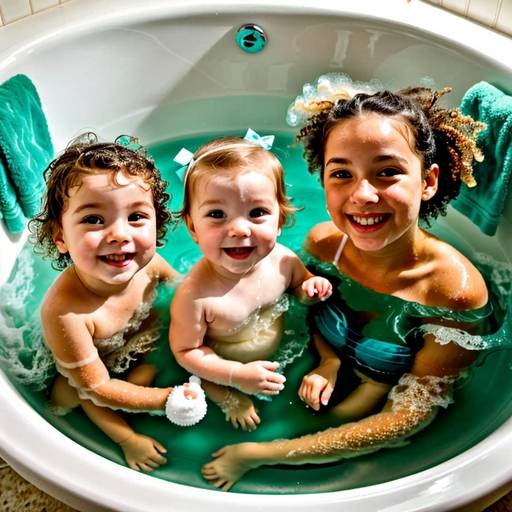
This lesson plan is designed for toddlers, focusing on the importance of hygiene and self-care through an engaging and interactive bath time experience. The session begins with a discussion about bath time, followed by a story that highlights hygiene practices. Students will learn the steps of bathing through a demonstration using picture cards and then participate in a supervised water play activity, allowing them to explore with soap and bath toys. The lesson wraps up with a group discussion to reinforce what they've learned and includes a craft activity where children can express their creativity by coloring bath-themed pictures. The overall goal is to promote positive hygiene habits while ensuring a fun and safe environment for the children. Safety precautions are emphasized throughout the lesson, with close supervision during all activities.
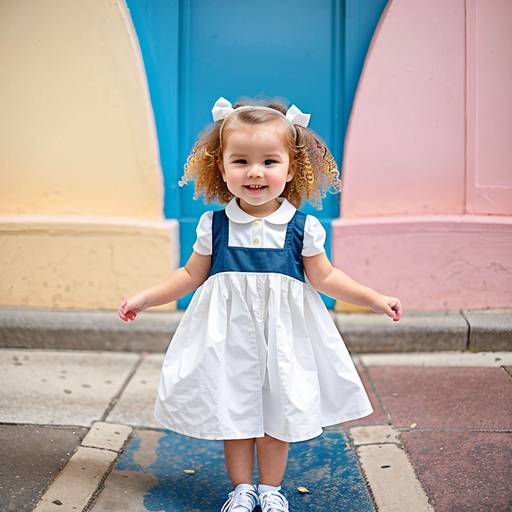
This lesson plan focuses on teaching toddlers the importance of self-care and hygiene through engaging activities centered around getting dressed. The objectives include helping children identify different articles of clothing, understand their purposes, and practice dressing skills.
The session begins with an introduction to clothing concepts, followed by a storytime featuring a book that illustrates various clothing items for different occasions. Children will explore a selection of clothing items, matching them with picture cards to reinforce learning.
During a dress-up activity, toddlers will dress dolls or stuffed animals and, if space permits, try on clothing themselves. Music will play a role as participants sing a fun song about getting dressed while practicing the movements involved in the process. The lesson concludes with a closing circle, where children reflect on their favorite clothing and the importance of dressing themselves.
Throughout the lesson, assessment will be based on children's engagement and participation in activities, while opportunities for adaptations ensure support for all learners. Overall, this plan promotes independence and fine motor skills in a fun, interactive environment.
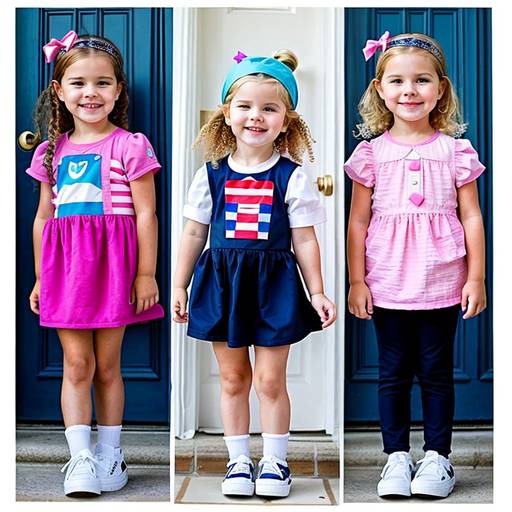
This lesson plan focuses on helping toddlers develop essential self-care skills related to getting dressed. It begins with an engaging circle time where children explore the importance of clothing, followed by a story that highlights various outfits. The next activities include a matching game to identify different clothing items and a fun dressing relay that teaches the correct order for putting on clothes, fostering both cooperation and physical skills.
To reinforce hygiene, children will learn the importance of keeping clothes clean and engage in a brief handwashing discussion. The lesson concludes with a reflective circle where children share their favorite moments and a farewell song to wrap up the session positively. Throughout the activities, the emphasis is on building confidence and independence in dressing, making it an enjoyable and educational experience.
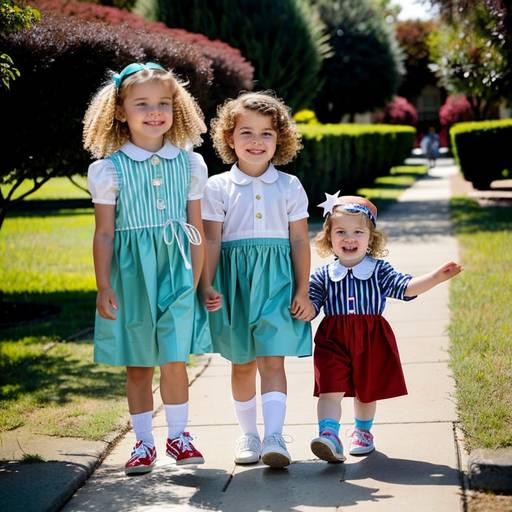
This lesson plan focuses on teaching toddlers the importance of getting dressed independently while promoting self-care and hygiene. It begins with a circle time discussion, where children are encouraged to talk about different clothing items and when to wear them. A story related to dressing is read to reinforce vocabulary and concepts, followed by an interactive dressing activity where students practice putting on various clothing items with guidance.
To enhance engagement, a movement and music segment invites children to mimic dressing actions, fostering both physical activity and fun. The lesson wraps up with a reflection circle, allowing students to share their favorite clothing items and discuss the feelings associated with dressing by themselves. An optional extension activity includes creating a chart for students to track their progress in dressing independently at home. Overall, the lesson aims to foster independence, improve fine motor skills, and encourage a positive attitude toward self-care routines.
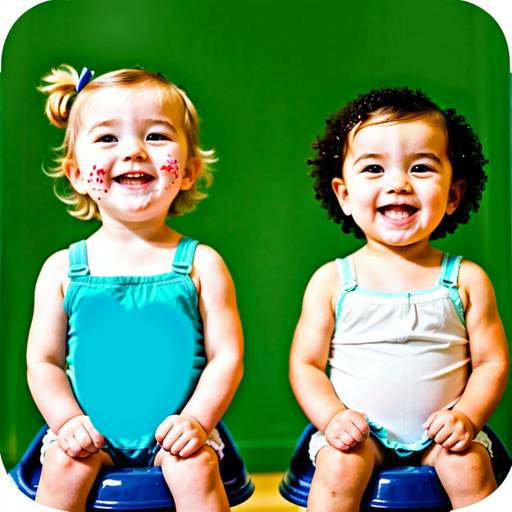
This lesson plan is designed for toddlers aged 2-4 years, focusing on teaching the essential steps of using the toilet independently. The session begins with an engaging discussion about the importance of using the toilet, followed by an interactive story that encourages participation.
Children are introduced to the steps involved in toileting through demonstration using picture cards. They then have the opportunity to create a personalized toilet routine chart, reinforcing the learning process. Role-playing with puppets allows for practical application of the steps in a fun and supportive environment.
The lesson concludes with a collective handwashing activity to emphasize hygiene, and each child receives a sticker for their participation, boosting their confidence and encouraging further practice at home. Caregivers are provided with a guide to continue supporting their child's growth in toilet independence. Overall, the plan fosters self-care skills, hygiene awareness, and a sense of achievement among the children.
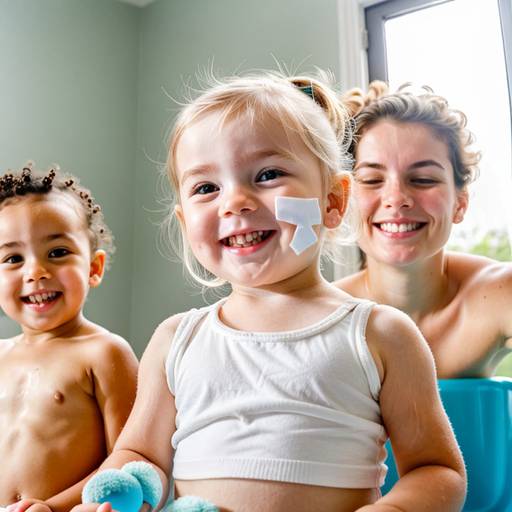
In this engaging lesson plan designed for toddlers, the focus is on teaching the importance of handwashing as a key aspect of self-care and hygiene. The session begins with a circle discussion to spark interest and curiosity about germs and the benefits of clean hands. Through a fun demonstration, children learn the step-by-step process of proper handwashing, including how to wet their hands, apply soap, scrub for at least 20 seconds, rinse, and dry.
As they practice in small groups, adults provide guidance and encouragement, ensuring each child can follow the procedure independently. The lesson is punctuated with songs to make the experience enjoyable and memorable. Towards the end, children reflect on their learning, discussing when and why they should wash their hands, solidifying their understanding of hygiene. An optional follow-up activity encourages continued practice at home, helping to instill healthy habits into their daily routines. Overall, the lesson aims to promote awareness and enthusiasm around hand hygiene in a playful and supportive environment.
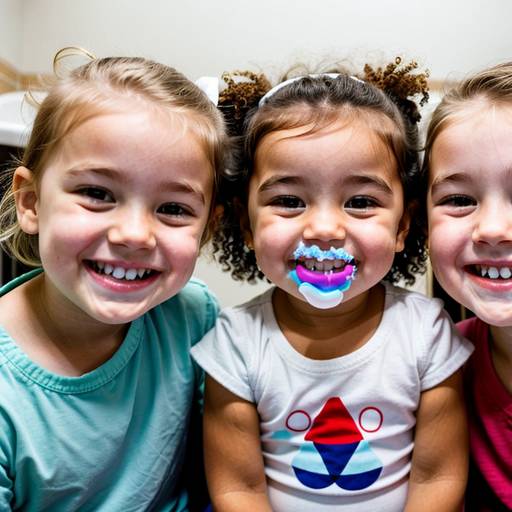
This lesson plan focuses on teaching toddlers about the importance of oral hygiene, specifically the practice of brushing their teeth. The session begins with an engaging story that introduces dental health, followed by a discussion on healthy habits related to teeth. A demonstration showcases proper tooth brushing techniques, allowing children to practice using mirrors and toothbrushes. Participants engage in a hands-on activity where they brush their teeth while singing a fun song, reinforcing the skills learned. After rinsing and sharing their experiences, children create crafts themed around tooth brushing, enhancing their understanding of the topic. The session concludes with a review of key concepts and encourages children to share their new knowledge with their families. Throughout the lesson, there are opportunities for observation and support to ensure all children grasp the importance of maintaining good dental hygiene. Follow-up activities include sending home a tooth brushing chart to promote the habit at home.
The lesson plan focuses on teaching toddlers the essential steps involved in using the toilet independently and understanding the importance of hygiene. It begins with an engaging introduction to the topic, followed by an interactive story time that introduces the concept of potty training in a fun way. Visual aids, including a step-by-step schedule and a demonstration using a doll, guide children through the process of using the toilet, reinforcing their understanding through role play.
After practicing the toilet steps, the lesson includes a handwashing segment, where children learn the proper technique and why it's important to wash their hands after using the bathroom. The session concludes with a closing circle where children recap what they learned, sing a fun song about toileting and hygiene, and receive positive reinforcement through stickers or stamps to encourage their newfound skills. Overall, the lesson aims to empower toddlers in their toileting journey while reinforcing good hygiene practices in a supportive and engaging environment.