
Filters
Level
Grade
Subject
Subject Area
Subject Topic
Standard(s)
Audience
Keyword
DurationMinutes
Toddler Weather Lesson Plans


This lesson plan focuses on introducing toddlers to various types of weather, such as sunny, rainy, snowy, and windy, through interactive discussions, sensory exploration, and creative activities. The session begins with a circle time where children engage with picture cards depicting different weather conditions and participate in a read-aloud session featuring a weather-themed book.
As part of hands-on learning, children rotate through three activity stations: a sensory station where they create weather scenes using materials like cotton balls and felt; a rainy day play station with a spray bottle for simulated rain and floating boats; and a dress-up station where they can role-play different weather scenarios with props.
The lesson concludes with a sharing circle where children express their favorite weather types and celebrate what they created. To reinforce learning, a simple song about weather is sung, encouraging movement and participation. Follow-up activities include crafting a "Weather Wheel" to take home and planning outdoor experiences that allow children to explore weather in real-life contexts. The plan emphasizes observation, participation, and engagement as key indicators of the children's understanding and interest in weather concepts.
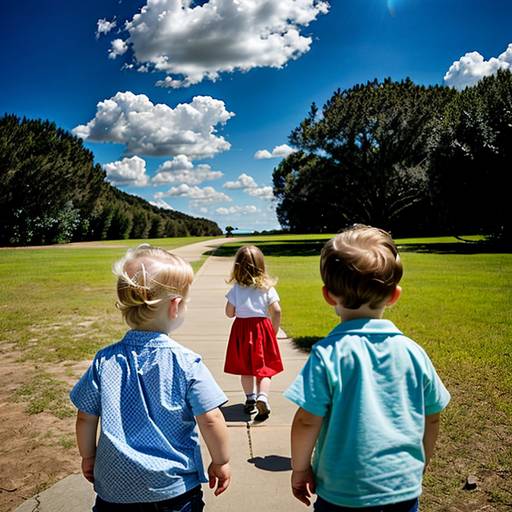
This lesson plan focuses on introducing toddlers to various types of weather, including sunny, rainy, windy, and snowy conditions. The session begins with an interactive discussion using picture cards, encouraging children to identify and share their favorite weather types. Following a story time that relates to weather changes, children engage in sensory activities such as creating clouds with cotton balls and experiencing "rain" using spray bottles.
To further explore the concept of wind, children feel the breeze from a fan and can play with balloons to illustrate this element. The lesson includes a creative movement segment where children mimic different weather conditions through dance, accompanied by thematic music to enhance engagement.
The session concludes with a group discussion, allowing children to express their favorite activities and reflect on their learning. Assessment is based on participation, expression of preferences, and the ability to identify weather types. Additionally, follow-up activities include a weather tracking chart and an outdoor exploration day to observe real-time weather conditions. Overall, this lesson promotes hands-on learning through play and creativity while fostering observational skills.