
Filters
Level
Grade
Subject
Subject Area
Subject Topic
Standard(s)
Audience
Keyword
DurationMinutes
Toddler Rhythm Lesson Plans


This lesson plan focuses on helping toddlers recognize and understand rhythm through engaging music and movement activities. The session begins with a welcome circle to introduce the concept of rhythm in simple terms. A warm-up movement segment encourages children to sway, clap, and stomp, promoting physical activity and coordination.
Following this, children explore various musical instruments in small groups, allowing them to discover different sounds and share their experiences. An upbeat dance activity encourages creative expression as they move rhythmically to music, using colorful scarves for added visual flair.
A rhythm-following game allows children to take turns being leaders, imitating simple rhythmic patterns through claps and stomps. The lesson concludes with a calming cool-down period where children reflect on what they learned and share their favorite moments.
Overall, the lesson promotes gross motor skills, social interaction, and a joyful appreciation for music and rhythm.
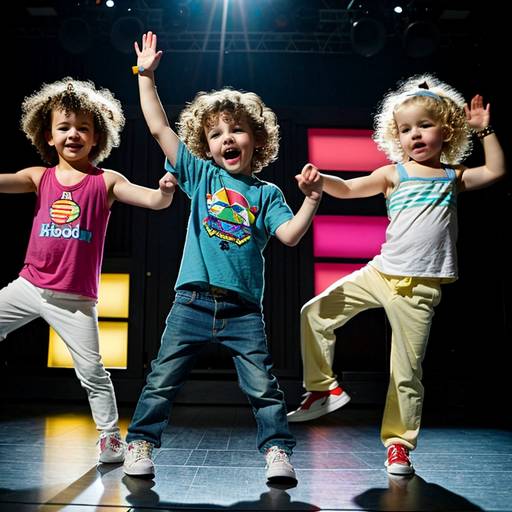
This toddler music and movement lesson plan focuses on developing rhythm and coordination through engaging activities. Over the course of 30-45 minutes, children will participate in various exercises designed to enhance their auditory skills and gross motor development. The session begins with a welcoming song and warm-up activities that encourage clapping and foot stomping to establish a sense of beat.
Participants rotate through three interactive stations: playing percussion instruments, moving with scarves to different tempos, and echoing visual rhythm cards. Following the station activities, a lively freeze dance encourages creative expression and responsiveness to music. The lesson concludes with a calm music segment for relaxation and a group discussion that invites children to share their experiences.
Throughout the lesson, the focus is on encouraging participation and fostering a love for rhythm, with opportunities for parents to incorporate these skills at home.
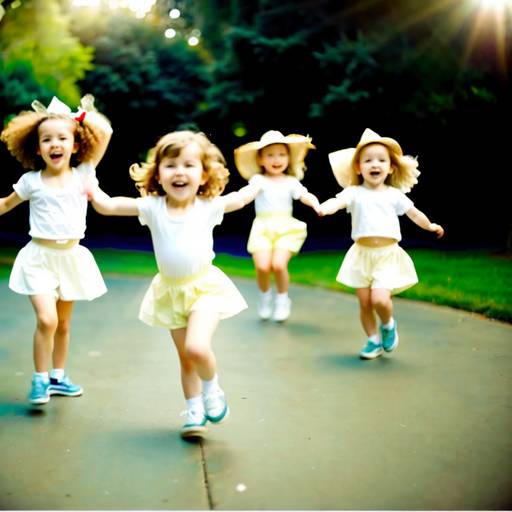
This toddler music and movement lesson focuses on introducing basic rhythm concepts through engaging activities designed for young children aged 2 to 4. The session begins with an interactive warm-up, encouraging children to shake and move to lively music, fostering a sense of rhythm. Participants explore various percussion instruments, engaging in call-and-response exercises that promote listening and imitation skills.
Throughout the lesson, children enjoy a movement activity that features different musical tempos, encouraging free expression through dance and incorporating a "freeze dance" game for added fun. The use of scarves or ribbons allows for further exploration of rhythm as children wave and move their props in response to music, enhancing their gross motor skills and creativity.
The session concludes with a calming cool-down period where children reflect on what they enjoyed most, fostering communication and self-expression. A fun goodbye song ties the lesson together, reinforcing rhythmic concepts while giving children an opportunity to participate actively. The activities are designed to assess children's understanding of rhythm while ensuring an enjoyable and energetic learning atmosphere. Extensions suggest incorporating family involvement and visual aids for further exploration of musical diversity.
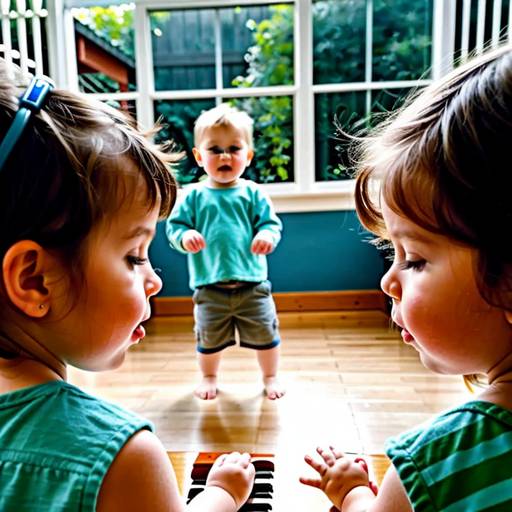
In this toddler music and movement lesson, young children will explore the concept of rhythm through engaging activities designed to enhance their coordination and listening skills. The session begins with a welcoming circle, incorporating a cheerful song to draw attention.
Following a movement warm-up, children will practice clapping and stomping patterns to understand beat. They will then have the opportunity to interact with a variety of musical instruments, creating their own rhythms while playing along to familiar tunes.
The lesson includes an imaginative game where children imitate animal sounds paired with specific rhythmic patterns, further reinforcing their understanding of rhythm in a fun way. Finally, the session concludes with a calming cool-down period featuring gentle stretches and reflection on the day's activities. The assessment focuses on participation and engagement, providing insights into each child's connection to rhythm and music. Extension activities could include a performance for parents or rhythmic storytelling sessions.