
Filters
Level
Grade
Subject
Subject Area
Subject Topic
Standard(s)
Audience
Keyword
DurationMinutes
Toddler Galloping Lesson Plans

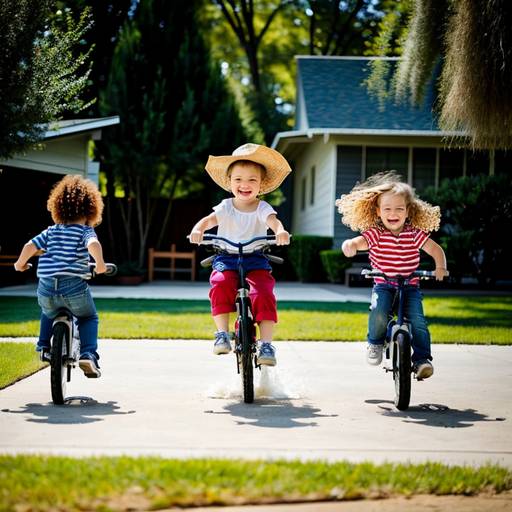
This lesson plan focuses on developing gross motor skills in toddlers through the engaging activity of galloping. It begins with an introduction that captures children's interest by discussing animals that gallop, using visual aids for stimulation. A warm-up session includes fun songs and animal imitations to get them moving and excited.
Children are then guided through basic galloping techniques before participating in structured activities such as a relay race and a musical game, which emphasize balance, coordination, and teamwork. The lesson culminates with a cool-down segment featuring gentle stretches and a reflective discussion that encourages children to share their thoughts on the activity. Overall, this interactive approach fosters movement, creativity, and social interaction while enhancing physical skills.
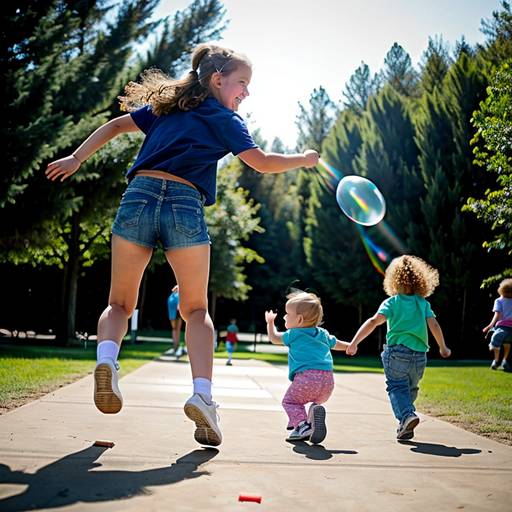
This lesson plan focuses on developing toddlers' gross motor skills through the engaging activity of galloping. Designed for children aged 2-4, the session begins with an introduction to the galloping motion, encouraging children to mimic the movement in place. After a warm-up that combines marching and galloping, students navigate an obstacle course featuring cones, hula hoops, and soft mats to reinforce their galloping technique in a playful environment.
A lively freeze dance game keeps the energy high, where the children gallop around and freeze in motion when the music stops. In a creative play segment, they pretend to be different animals while galloping, further enhancing their imaginative skills. The lesson concludes with gentle cool-down stretches, allowing children to reflect on their experience and express what they enjoyed most. Observations of their movements throughout the class help assess their progress in gross motor skills, while verbal encouragement supports their development. The activities promote not only coordination and balance but also creativity and social interaction.
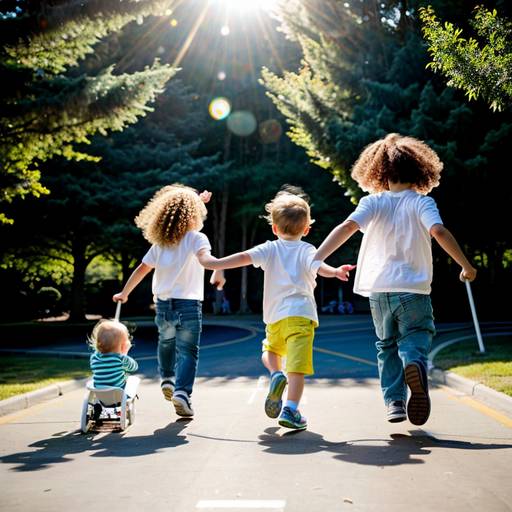
This lesson plan is designed for toddlers aged 2-4 years and focuses on developing gross motor skills through galloping activities. The session lasts for 30 minutes and aims to enhance coordination and balance while engaging children's imagination and creativity.
The lesson begins with an introduction where children discuss galloping and mimic animals that showcase this movement. A warm-up activity invites them to imitate various animals to prepare their bodies for movement. Next, the instructor demonstrates proper galloping technique and facilitates practice sessions around a designated course marked by cones.
To make the activity dynamic, a creative movement game called "gallop and freeze" is introduced, where children gallop to music and freeze when it stops, fostering listening skills and control. The session concludes with a cool-down period that includes gentle stretching and a reflection where children share their experiences.
Optional extensions include providing colorful scarves as reminders of the activity and encouraging children to practice galloping at home. Throughout the lesson, the instructor assesses children's balance and coordination, offering positive reinforcement to create an engaging and supportive environment. Safety is prioritized by ensuring the area is clear of obstacles and adapting activities to meet individual needs.
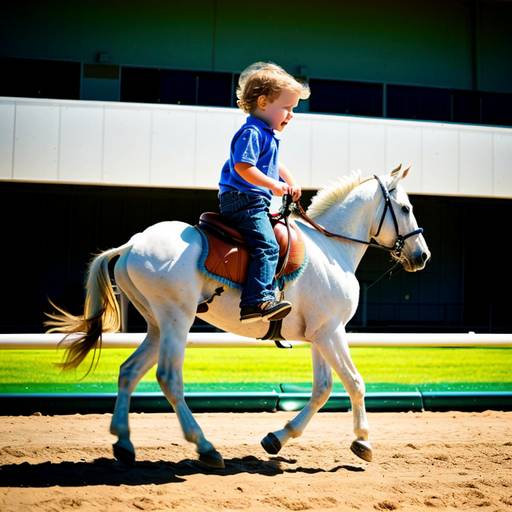
In this lesson plan designed for toddlers aged 2-4, the focus is on developing gross motor skills through the activity of galloping. The session begins with an introduction that explains the purpose and demonstrates the galloping movement. Following this, a warm-up routine featuring light stretches and a playful cheer prepares the children for physical activity.
The main practice involves galloping to various cones set up in a line, with variations such as forward, backward, and sideways movements to enhance coordination. An obstacle course is then introduced, incorporating soft toys and hula hoops to create engaging challenges.
To conclude, a cooldown routine with deep-breathing exercises and gentle stretches helps the children relax, and a reflection discussion encourages them to share their experiences. Throughout the lesson, positive reinforcement is used to support each child's progress while ensuring a fun and safe environment.