
Filters
Level
Grade
Subject
Subject Area
Subject Topic
Standard(s)
Audience
Keyword
DurationMinutes
Toddler Coordination Lesson Plans

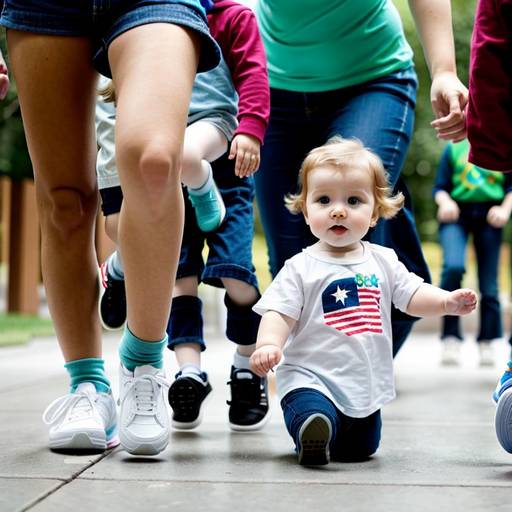
This lesson plan focuses on enhancing toddlers' gross motor skills with an emphasis on coordination through engaging and interactive activities. The session begins with a warm-up that includes a fun movement song and simple stretching exercises to prepare the children for the activities ahead.
- Ball Toss - Kids practice throwing soft balls into targets to develop hand-eye coordination.
- Balance Beam - Children walk along a designated line to improve balance and stability.
- Scarf Dance - While listening to upbeat music, toddlers dance with colorful scarves, promoting rhythm and coordinated movement.
- Obstacle Course - A simple course encourages children to navigate various challenges, fostering confidence and coordination.
The session concludes with a cool-down segment that encourages gentle movements and reflections on their favorite activities, reinforcing the day's learning outcomes. The lesson is designed to be fun, safe, and supportive, promoting physical activity and coordination in a playful environment.
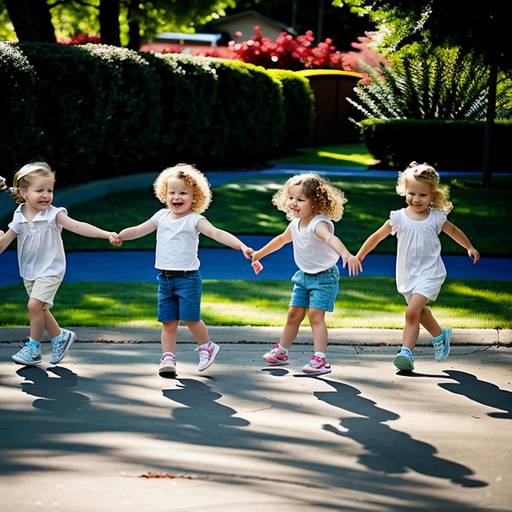
This lesson plan focuses on enhancing the gross motor skills of toddlers through coordination activities. Aimed at children aged 2-3, the 30-minute session incorporates a variety of engaging movement-based exercises designed to promote physical development and social interaction.
The lesson begins with a lively introduction that sets the theme for movement, followed by a warm-up activity that encourages rhythmic movement and body awareness. Students then participate in four activity stations, each targeting different coordination skills, including hopping, ball rolling, bean bag tossing, and rolling on mats.
After the main activities, the group comes together for a coordinated movement exercise that emphasizes creativity and rhythm. The lesson concludes with a cool down that incorporates gentle stretching and calming breathing exercises. Throughout the session, educators will observe participation and provide positive reinforcement to encourage active engagement while reinforcing the enjoyment of physical movement.