
Filters
Level
Grade
Subject
Subject Area
Subject Topic
Standard(s)
Audience
Keyword
DurationMinutes
Toddler Hand Eye Coordination Lesson Plans

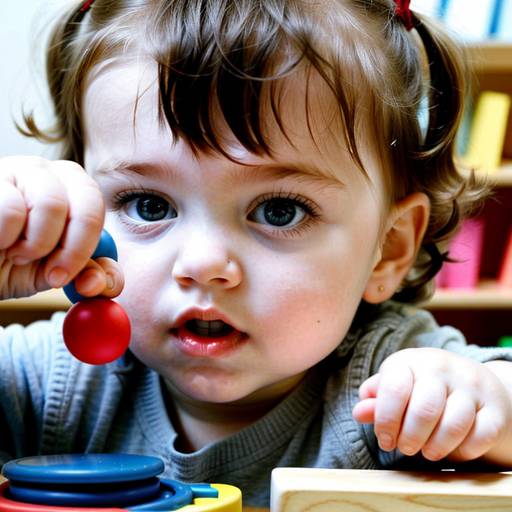
This lesson plan focuses on enhancing toddlers' hand-eye coordination through a series of engaging, playful activities. The session begins with a brief introduction to the concept of hand-eye coordination, followed by a warm-up activity involving balloon tossing, where children practice tracking and catching objects.
The main activities include a ball-catching game, encouraging turn-taking and teamwork, and a block-building challenge that fosters fine motor skills through manipulation and stacking. The lesson concludes with a reflection period, where children share their favorite parts, reinforcing their understanding of how their hands and eyes work together. An optional drawing activity allows for creative expression while continuing to develop fine motor skills. Throughout the lesson, emphasis is placed on safety, cooperation, and positive reinforcement, ensuring a supportive and interactive environment for all participants.
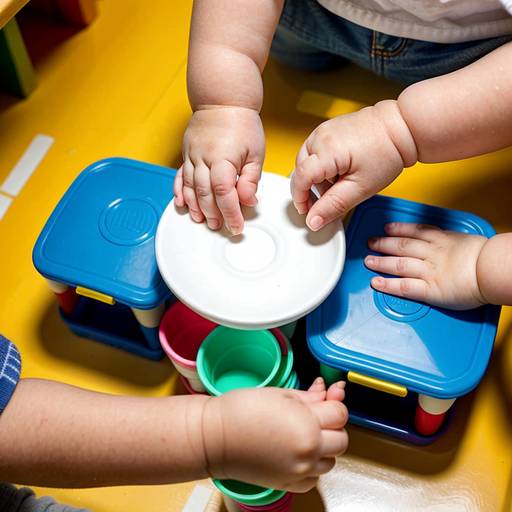
This lesson plan focuses on developing fine motor skills and hand-eye coordination in toddlers aged 2-4 through a series of engaging activities. The session begins with an introduction to hand-eye coordination, followed by a group activity where children stack colorful blocks to create towers, fostering both balance and strength in their hands.
Next, children participate in a sorting activity that involves picking up small objects with tongs and transferring them into designated bins based on color or shape, enhancing their dexterity and sorting skills. The lesson continues with an interactive bouncing ball activity, promoting tracking skills and teamwork as they roll or bounce balls to one another.
To conclude the lesson, children enjoy a fun bubble freeze dance, encouraging them to move, chase, and freeze while incorporating imaginative poses. The session wraps up with a discussion about their experiences and learning outcomes. Throughout, the emphasis is on skill development, engagement, and positive reinforcement, with suggestions for extending practice at home.
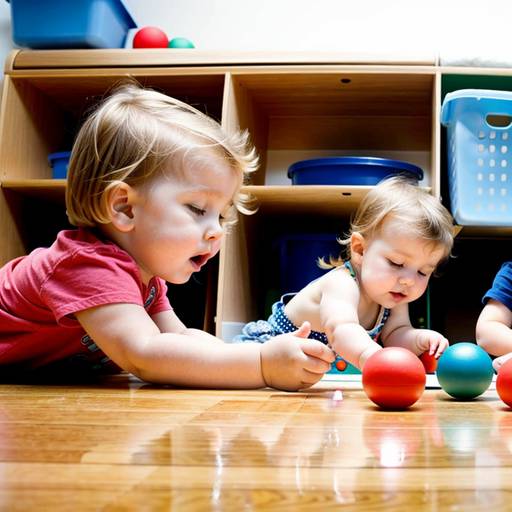
In this toddler-focused lesson, children ages 2 to 4 will participate in a variety of engaging activities aimed at developing their hand-eye coordination skills. The session begins with a warm-up that incorporates waving colorful scarves to promote arm movements and coordination. Following the warm-up, children will work in small groups to create and decorate target shapes using paper and markers, allowing for creativity and teamwork.
The main activity features a target practice game where children will practice throwing soft balls or bean bags towards their decorated targets, encouraging them to reach and aim while having fun. For the cool-down, a gentle rolling catch game will help reinforce their tracking and catching skills in a cooperative setting.
The lesson concludes with a group reflection, where children can share their favorite moments and express their feelings about the activities. Throughout the session, educators will observe each child’s progress and provide support, ensuring a positive and enjoyable learning experience. Adaptations will be made as necessary to accommodate varying skill levels, promoting confidence and success in all participants.
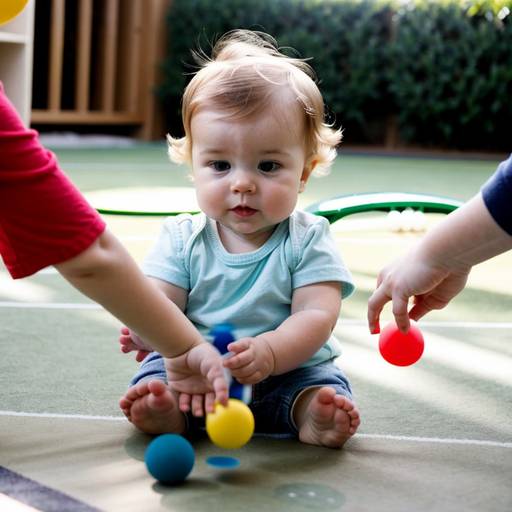
This toddler fine motor skills lesson focuses on enhancing hand-eye coordination through a series of engaging activities. The session begins with an introduction where children learn about tossing and catching. They participate in warm-up activities that involve passing a soft ball within a circle, followed by a target toss challenge using hula hoops or large hoops, encouraging aiming and throwing techniques.
Children then engage in a creative craft where they decorate small buckets with markers and stickers, fostering artistic expression. The session culminates in a game where pairs of children take turns tossing balls into their decorated buckets, reinforcing their skills in a playful manner.
The lesson concludes with a group reflection, allowing children to share their favorite parts and encouraging the continuation of these skills at home. Observations are made throughout to assess each child's participation and skill development, with modifications available for varying skill levels. Safety considerations ensure a secure and enjoyable environment for all participants.