
Filters
Level
Grade
Subject
Subject Area
Subject Topic
Standard(s)
Audience
Keyword
DurationMinutes
Toddler Finger Dexterity Lesson Plans

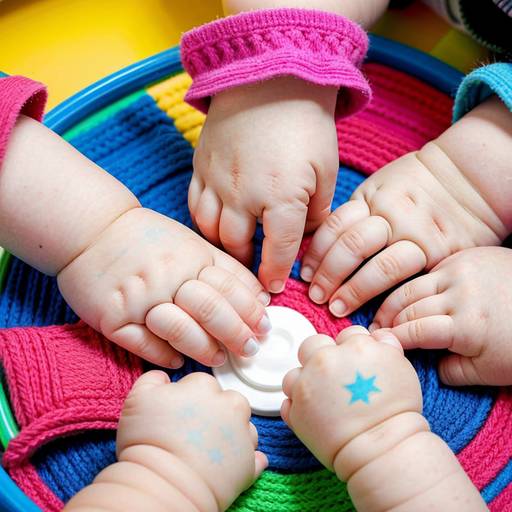
This lesson plan is designed for toddlers aged 18 to 36 months and aims to enhance their finger dexterity through a series of engaging activities that promote fine motor skill development. The session includes various activity stations where children can squeeze soft balls, manipulate playdough, use clothespins for sorting, and create art with crayons and markers. Additionally, toddlers will practice using tongs to transfer small objects, fostering hand-eye coordination. A group bubble activity encourages interactive play, allowing children to experience the joy of manipulating bubbles with their fingers. The lesson concludes with a reflection period where children share their favorite activities and demonstrate their new skills. Observations during the activities will inform assessments of their dexterity, while suggestions for home activities will extend learning beyond the classroom.
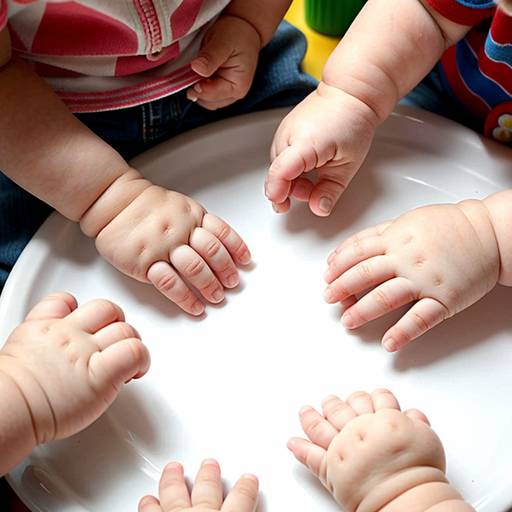
This lesson plan focuses on developing fine motor skills in toddlers through engaging and interactive activities that enhance finger dexterity. The session begins with an introduction that sparks excitement through a finger song, followed by a series of hands-on activities.
Children will participate in a pom-pom transfer exercise, using tongs to foster control and precision as they move colorful pom-poms between bowls. Next, they will explore their creativity with playdough, manipulating the material into various shapes to strengthen their finger muscles.
The lesson continues with a craft stick stacking challenge, encouraging balance and stability as children build towers. For those ready for more advanced skills, an optional cutting practice activity with safety scissors allows toddlers to develop their scissor skills.
The session concludes with a fun dance break, incorporating finger movements to celebrate their achievements. Throughout the lesson, observation will help assess each child's engagement and skill improvement, while discussions will reinforce their learning experiences. Extensions for home activities will also be suggested to further promote fine motor skill development.
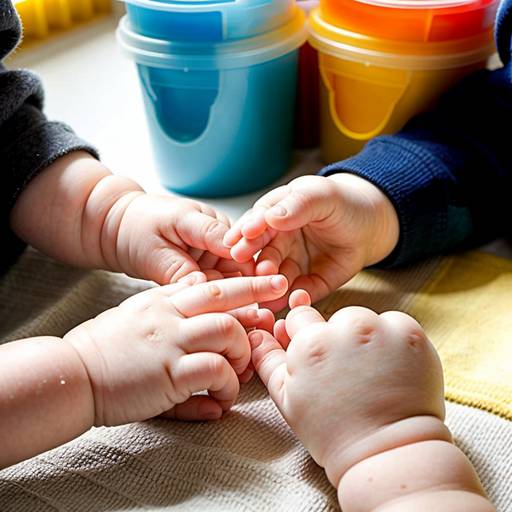
This lesson plan aims to enhance fine motor skills and finger dexterity in toddlers aged 18 months to 3 years through a series of engaging activities. The session begins with a warm-up that encourages children to stretch and practice finger movements. The main activities include exploring playdough, threading large beads, and sorting pom-poms using tweezers, each designed to promote hand strength, coordination, and control.
Art activities, such as drawing and finger painting, allow for creative expression while further developing fine motor skills. The lesson concludes with a circle time where children can share their favorite activities and creations. Throughout the session, observations will be made to assess children's abilities and engagement, ensuring activities are age-appropriate and safe.
The plan also includes potential extensions, such as finger puppet play and paper tearing, to continue fostering these important skills in future lessons.
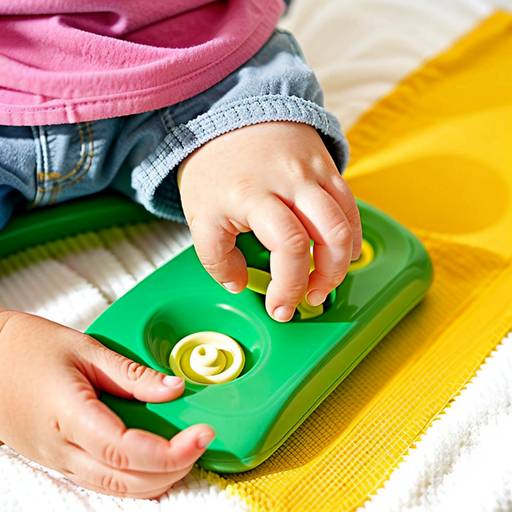
This lesson plan focuses on developing toddlers' fine motor skills through engaging finger dexterity activities. It includes a variety of hands-on experiences designed to enhance hand-eye coordination, promote sensory exploration, and foster creativity.
The session begins with a sensory exploration activity where children interact with a textured sensory bin, encouraging them to dig and manipulate materials. This is followed by hands-on experiences with small manipulatives and challenges using clothespins, which help strengthen their pinching and grasping skills.
Next, the children engage in play dough activities, allowing them to squeeze, roll, and create various shapes. They then transition to finger painting, providing an opportunity for artistic expression while practicing finger movements.
The lesson wraps up with a musical movement activity that incorporates shaking instruments, promoting rhythm and coordination. Throughout the session, children are encouraged to share their thoughts and experiences, reinforcing their learning and enhancing their motor skills in a fun and interactive environment. Observations are made to document each child's engagement and skill development during the activities, ensuring a comprehensive approach to building fine motor abilities.