
Filters
Level
Grade
Subject
Subject Area
Subject Topic
Standard(s)
Audience
Keyword
DurationMinutes
Toddler Empathy And Understanding Others Lesson Plans

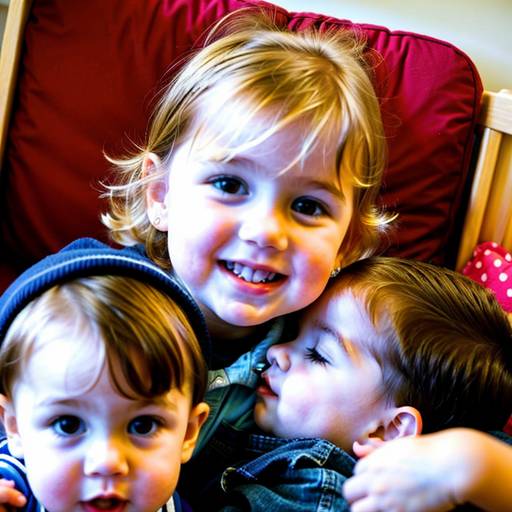
This lesson plan focuses on developing toddlers' understanding of empathy and emotional awareness by engaging them in various interactive activities. Beginning with a discussion of feelings using emotion cards, children learn to recognize different emotions through facial expressions in front of a mirror.
The session then includes role-playing with stuffed animals or puppets, allowing children to explore comforting behaviors and how to respond to others' emotions through a guided story. An art activity follows, where each child draws something that evokes emotions, promoting personal expression and sharing within the group.
The lesson concludes with a calming reflection and a group hug to reinforce the importance of caring for each other's feelings. Throughout the session, children are encouraged to identify their own emotions while gaining insights into the emotional experiences of their peers, laying a foundation for empathy and connection.
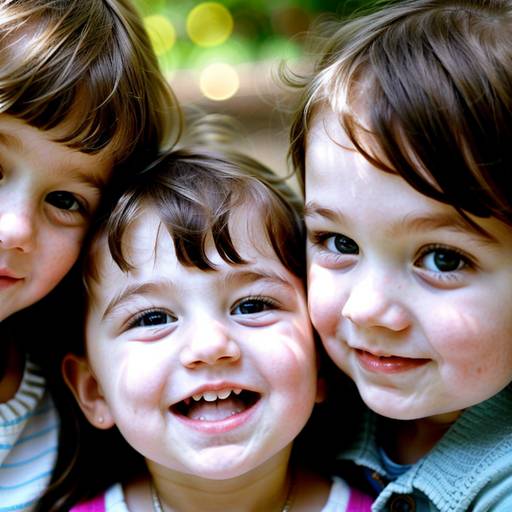
The lesson plan focuses on fostering empathy and understanding in toddlers by helping them recognize and respond to the emotions of others. The activities include a circle time discussion about feelings, where children express their own emotions and mimic facial expressions. This is followed by a storytime session featuring a book that illustrates various characters' emotions, prompting children to discuss how characters might feel and how to help them.
Next, an interactive role-playing activity uses stuffed animals or puppets to enact scenarios that evoke different feelings, allowing children to practice comforting gestures. This is complemented by a creative expression segment where children draw their favorite emotions and share their artwork with peers, promoting verbal expression of feelings.
The conclusion includes a group reflection on the importance of kindness and understanding, with an emphasis on sharing personal experiences of helping others. The plan incorporates ongoing activities such as a "Feelings Wall" and regular storytelling to continue exploring empathy in future lessons. Overall, the aim is to equip toddlers with the language and tools necessary for recognizing and responding to others' emotions.
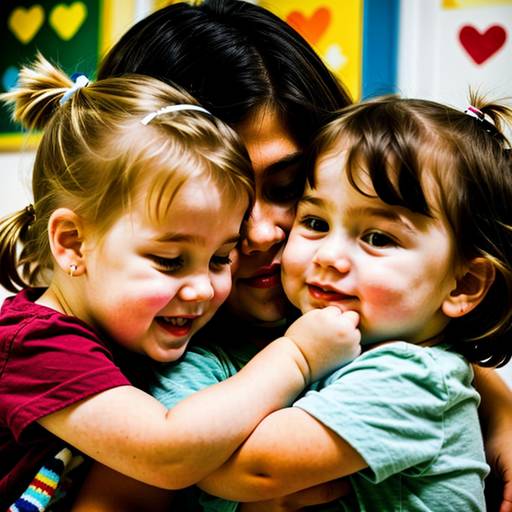
This lesson plan focuses on fostering empathy and understanding in toddlers aged 2-4 through engaging activities that promote emotional awareness. The session begins with a welcome circle, where children are introduced to the concept of empathy and encouraged to express their feelings through song. Using emotion flashcards, children imitate facial expressions and share personal experiences related to each emotion.
A storytime segment allows for exploration of emotions via a large book that includes diverse characters and relatable situations, prompting discussion about feelings and help. The lesson continues with puppet play, where children act out scenarios involving emotions and comforting friends.
In the craft activity, each child creates their own "Emotion Heart," illustrating a time they supported a friend or received help. The lesson wraps up with a reflection session where children share their insights about feelings and the importance of caring for one another. This interactive approach promotes emotional development, empathy, and social skills in a nurturing environment.
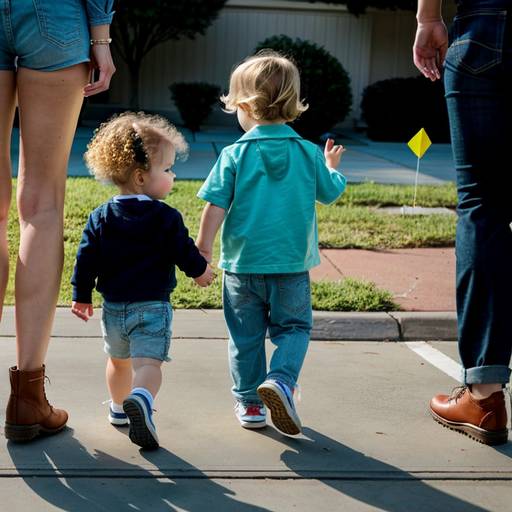
This lesson plan is designed for toddlers aged 2-4 and focuses on teaching the concepts of empathy and understanding others. The activities aim to help children identify and express emotions through interactive methods. The session begins with a circle time where children engage with emotion flashcards, mimicking expressions and sharing personal experiences. A storybook related to empathy is then read, prompting discussions about feelings and character actions.
The lesson includes a role-playing activity utilizing stuffed animals or dolls, allowing children to act out different emotional scenarios and practice providing empathetic support. An art activity follows, where children create drawings reflecting happy and sad moments in their lives, promoting sharing and connection within the group.
The session concludes with a reflective discussion, where children use a mirror to explore how their facial expressions can convey care and kindness. A kindness challenge encourages children to commit to an act of kindness before leaving. Throughout the lesson, emphasis is placed on recognizing and responding to emotions, fostering a supportive community atmosphere.