
Filters
Level
Grade
Subject
Subject Area
Subject Topic
Standard(s)
Audience
Keyword
DurationMinutes
Toddler Emotional Vocabulary Lesson Plans

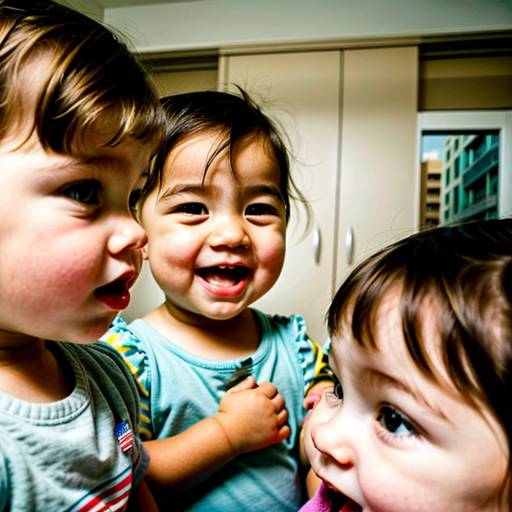
This lesson plan focuses on enhancing toddlers' emotional vocabulary and understanding through engaging activities. It begins with a circle time introduction to basic emotions using flashcards, encouraging children to repeat and discuss each feeling. A story that highlights emotional themes is read, prompting children to identify and relate to the characters' feelings. The lesson includes a playful charades activity where children guess emotions acted out with puppets, allowing them to express their own experiences.
To foster creativity, toddlers will participate in a reflective drawing activity, illustrating situations that make them feel happy, sad, or any other emotion discussed. They will then use an emotions wheel to identify and share their current feelings with the group.
The session concludes with a closing circle where children can express one word describing their feelings today, reinforcing the importance of emotional expression. This plan encourages emotional literacy through interactive play and supports toddlers in recognizing and articulating their emotions. Extension activities are suggested to further deepen their understanding of emotions over time.

This lesson plan aims to support toddlers in identifying, expressing, and understanding various emotions through engaging activities. It begins with an introductory song that sets a positive tone, followed by an interactive flashcard activity where children learn to recognize emotions and imitate corresponding facial expressions. During mirror time, they explore how their faces reflect feelings.
Kids then engage in a drawing activity, where they illustrate themselves experiencing an emotion of their choice, further solidifying their understanding of emotional vocabulary. Storytime features an emotion-themed book, which prompts discussion about feelings and personal connections. The lesson incorporates movement by having children dance to emotion-themed music, allowing them to connect physical expression with emotional responses.
Finally, the group gathers to share what they learned, reinforcing emotional vocabulary and encouraging self-expression. Throughout the activities, emphasis is placed on creating a supportive environment where children feel comfortable discussing and expressing their emotions. This lesson lays a foundational understanding of emotions and promotes emotional intelligence in young learners.

This lesson plan aims to enhance toddlers' understanding and expression of emotions through engaging activities. It begins with an introduction where children are shown colorful emotion cards to help them identify their feelings. A read-aloud session follows, utilizing a storybook that highlights different emotions, encouraging discussion and expression.
Participants then engage in a creative activity where they draw faces depicting their current emotions, fostering emotional vocabulary. The lesson also includes a charades game, where children act out emotions using soft toys, and peers guess the feelings being expressed.
Lastly, a musical segment allows children to dance to various songs that evoke different emotions, with discussions about how the music makes them feel. The session concludes with a group reflection on their drawings and experiences, reinforcing the emotional vocabulary learned. Overall, the plan aims to create a supportive environment where toddlers can comfortably explore and articulate their emotions.

This lesson plan focuses on helping toddlers recognize, express, and label their emotions using appropriate vocabulary. Designed for a duration of 30-45 minutes, it includes a range of engaging activities suitable for a small group of 5-10 students.
The session begins with a circle time where children are introduced to a feelings chart and emotion flashcards, encouraging them to repeat and practice emotional vocabulary. Following that, an interactive game allows them to match specific emotions to the corresponding flashcards, promoting recognition and expression.
A story-reading segment introduces various emotions through a book, prompting discussion about the characters’ feelings. This is followed by a movement activity where toddlers express emotions through dance, connecting music to feelings. In the art activity, children draw faces that represent their chosen emotions, facilitating creativity while reinforcing vocabulary.
The lesson concludes with a reflective circle where children share their feelings using the terms learned throughout the session, highlighting the importance of emotional expression and validation. Extensions include creating an emotion wall and encouraging parental involvement to reinforce emotional discussions at home. Overall, the plan aims to build emotional awareness and communication skills in a fun and interactive setting.