
Filters
Level
Grade
Subject
Subject Area
Subject Topic
Standard(s)
Audience
Keyword
DurationMinutes
Toddler Shape Attributes Lesson Plans

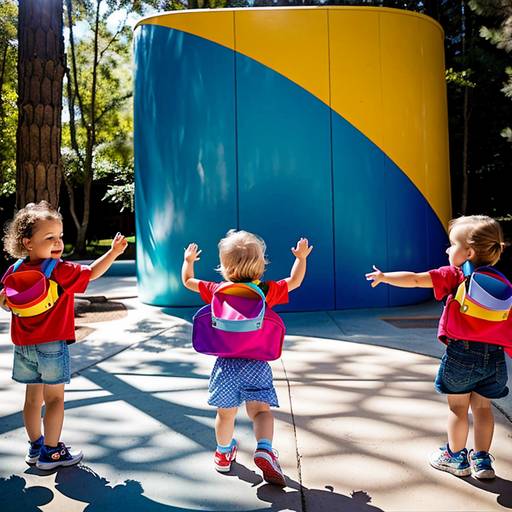
This lesson focuses on helping toddlers learn to identify and describe basic shapes and their attributes, such as color, size, and number of sides. It begins with an introduction to shapes through flashcards, followed by a storytime featuring a shape-themed book to reinforce recognition skills. Students then engage in interactive stations including shape sorting, creating shapes with playdough, and using a felt board to arrange shapes creatively. The lesson concludes with a craft activity where children draw pictures using various shapes and colors, followed by a group discussion to share their creations. Throughout the lesson, students are assessed on their ability to identify shapes and articulate their attributes. Extension activities include a “Shape Hunt” to find real-world objects and incorporating songs about shapes. Overall, the plan emphasizes hands-on learning and engagement to make the exploration of shapes enjoyable and effective for toddlers.

In this engaging lesson for toddlers, students will explore basic shapes and their attributes, including circles, squares, triangles, and rectangles. The session begins with an interactive introduction, encouraging children to recognize and name various shapes through colorful cutouts. A storytime activity will reinforce shape identification and color recognition.
Students will then participate in a shape attribute discussion, where they will learn about the characteristics of each shape. This is followed by a hands-on sorting activity in small groups, allowing them to categorize shapes by color and type. A creative art segment gives children the opportunity to color and decorate shape cutouts, fostering artistic expression while discussing shape attributes.
To incorporate movement, a fun activity will have students form shapes with their bodies, enhancing kinesthetic learning. The lesson concludes with a review of the shapes learned, promoting retention through questions and responses.
Throughout the lesson, teachers will assess participation and understanding, aiming to integrate shape recognition into everyday contexts to reinforce learning beyond the classroom. Follow-up activities may include creating a "Shape Wall" to display students' artwork and ongoing shape identification during daily routines.