
Filters
Level
Grade
Subject
Subject Area
Subject Topic
Standard(s)
Audience
Keyword
DurationMinutes
Toddler Color Mixing Lesson Plans
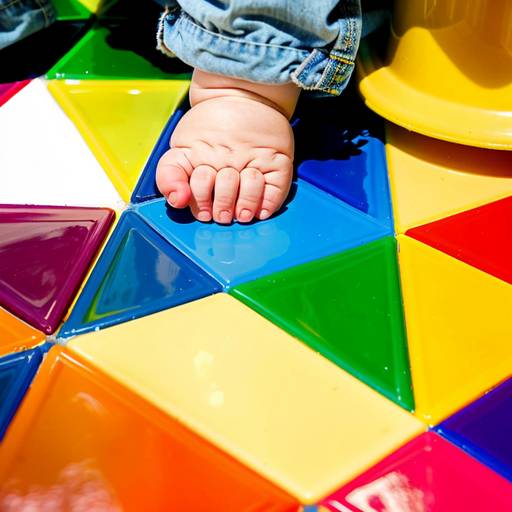
This lesson plan is designed for toddlers aged 2-4, focusing on the exploration of primary colors and basic shapes through interactive activities. The session begins with an engaging introduction to red, yellow, and blue paint, encouraging children to identify and discuss colors they know. Basic shapes are introduced using templates, fostering recognition and understanding through real-life examples.
Following this, a demonstration of color mixing is presented, showing how two primary colors can combine to create new ones. The children then participate in a hands-on activity where they mix colors on paper and paint around shape templates, allowing them to express their creativity and develop fine motor skills.
To conclude the lesson, the children gather to share their artwork and discuss their experiences with color mixing. Cleanup is a part of the routine, encouraging responsibility in a fun manner. Throughout the lesson, the children are assessed based on their engagement with identifying colors and shapes, as well as their ability to mix colors, promoting a joyful learning environment. Additionally, extensions for this lesson may include creating a colorful mobile or incorporating related storytime activities, reinforcing the concepts learned.
In this engaging lesson plan for toddlers, students will discover the world of colors and shapes by exploring color mixing. The session begins with an introduction to primary colors—red, yellow, and blue—using visual aids to help students identify and name the colors. A demonstration on mixing these colors to create secondary colors will follow, highlighting examples such as purple, green, and orange.
During the main activity, each child will receive a white paper with pre-cut shapes and primary color paints. They will experiment with mixing colors on trays to create new shades, applying them to their shapes while learning to communicate their findings. The lesson emphasizes creativity and self-expression, allowing children to share their colorful creations with peers, fostering a sense of community and collaboration.
Finally, students will clean up their work areas, reinforcing the importance of tidiness, while reflecting on their learning experience. The lesson provides opportunities for assessment through observation and encourages deeper exploration of colors through extension activities, such as creating a color mixing chart or reading related storybooks. Overall, this session aims to inspire curiosity and joy in the understanding of colors and shapes.
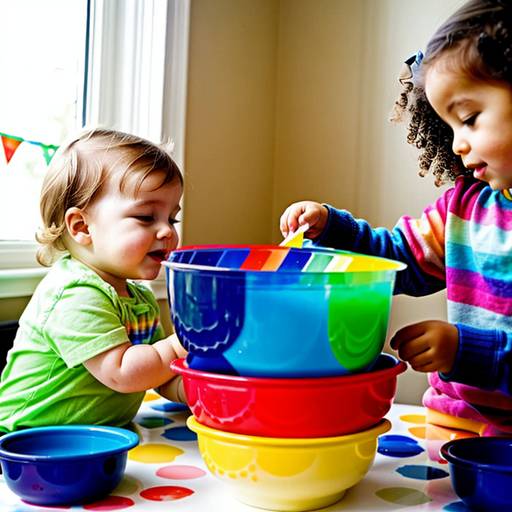
In this engaging lesson plan designed for toddlers aged 2-4 years, students will explore the world of colors and shapes through the fun activity of color mixing. The session begins with a vibrant introduction where children identify primary colors found in their surroundings. A captivating story is read to reinforce color concepts and spark interest.
Following this, the children participate in a hands-on activity where they mix primary colors (red, blue, and yellow) to create secondary colors (green, orange, and purple) using paint and brushes. They are encouraged to experiment and express their creativity on construction paper.
The lesson also includes a sensory exploration segment, allowing children to experience the textures of wet paint and other colorful materials. To conclude, students will share their artwork in a group discussion, reflecting on the colors they created and how they felt about the mixing process. This interactive experience not only enhances fine motor skills but also reinforces color recognition and creativity among the young learners.
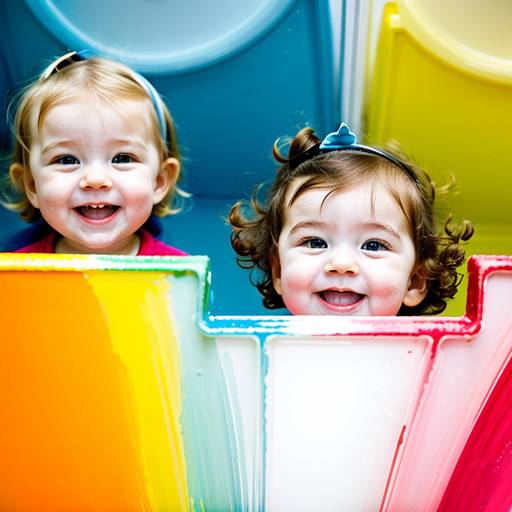
In this engaging lesson plan designed for toddlers aged 2-4 years, students are introduced to the concepts of colors and shapes through hands-on activities focused on color mixing. The lesson begins with a discussion where children identify primary colors and learn about mixing them to create new hues. A color mixing demonstration follows, where students observe how combining colors transforms them.
Next, each child engages in a hands-on activity using primary colored paints to experiment with mixing, encouraging creativity and exploration. They also color worksheets featuring simple shapes, reinforcing their understanding of both colors and shapes.
The lesson concludes with a clean-up session and a group discussion, allowing children to share their experiences and insights. Optional extensions provide opportunities for continued exploration of color mixing and shape recognition throughout the week, fostering a vibrant and interactive learning environment that promotes cognitive development and fine motor skills.