
Filters
Level
Grade
Subject
Subject Area
Subject Topic
Standard(s)
Audience
Keyword
DurationMinutes
Preschool Robotics Lesson Plans
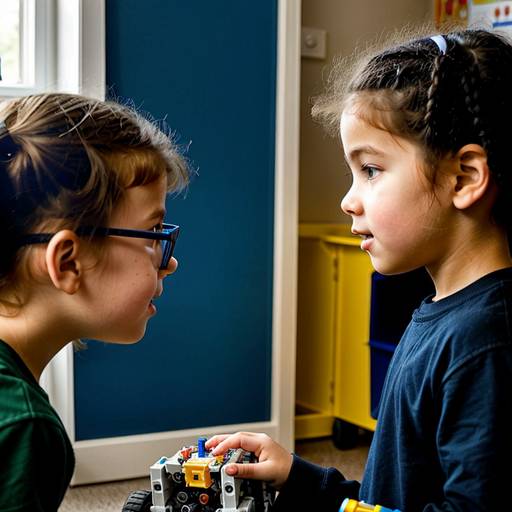
In this preschool technology lesson, students will explore the exciting world of robotics through engaging, hands-on activities. The session begins with an interactive read-aloud that introduces basic concepts of robots and encourages children to share their thoughts and experiences. Following this, students will engage with various types of toy robots, fostering discussion about their functions and features.
The main activity involves small groups building simple robots using LEGO kits, promoting teamwork and collaboration. Students will then transition to a basic coding experience using tablets or computers, where they will create simple command sequences to control their robots. To conclude the lesson, students will participate in a fun robot dance party, allowing them to express their creativity and movement.
The lesson wraps up with a reflection circle, where students share their experiences and insights gained throughout the activities. Assessment will focus on observation of participation and engagement, while extensions will encourage connections to home and potential follow-up lessons on robotics. The overall aim is to introduce preschoolers to the concepts of technology and robotics in a playful and enjoyable manner.
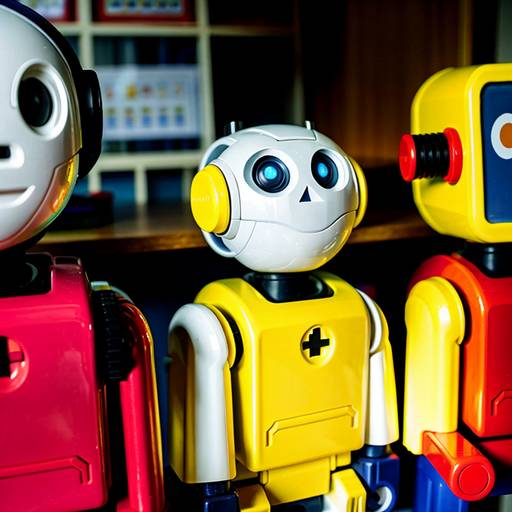
In this engaging preschool lesson, students will explore the exciting world of robotics through a series of interactive activities. The session begins with a group reading of a robot-themed story, sparking curiosity and encouraging discussion about how robots work and their functions. Following the introduction, students will have the opportunity to engage with simple programmable robots, learning how to give basic commands to navigate a floor grid while collaborating with their peers.
After hands-on programming, children will express their creativity by designing their own robotic characters on paper, complete with unique names and abilities. The lesson concludes with a sharing session where students present their designs and reflect on their learning experience. Throughout the activities, opportunities for assessment will arise as teachers observe student engagement and understanding, ensuring a fun and educational exploration of technology and teamwork. Extensions for advanced challenges can be provided in future sessions, further enriching the students' understanding of robotics.
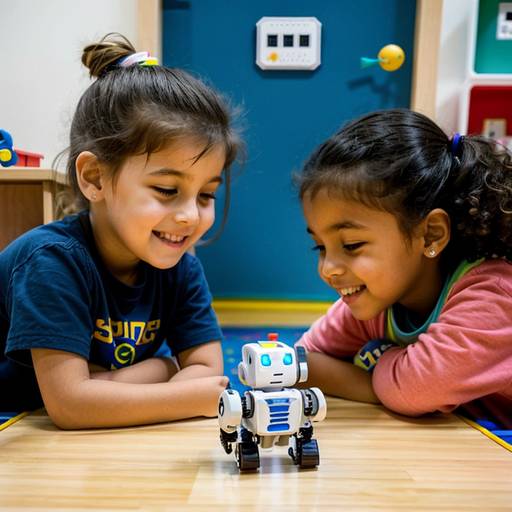
In this preschool technology lesson plan, students aged 4-5 will be introduced to the exciting world of robotics through hands-on activities. The lesson begins with a circle discussion about what robots are, followed by a story featuring a robot character to engage the children further.
Students will then work in small groups to build their own "friendship robots" using various building blocks, fostering creativity and teamwork. Each group will present their robot to the class, highlighting its name and purpose, which helps to develop their communication skills.
To reinforce their learning, students will have the opportunity to draw their favorite robot or invent a new one, promoting artistic expression and reflection on their activities. Throughout the lesson, the educator will assess student engagement, collaboration, and understanding while ensuring an inclusive and adaptive environment for all learners. Overall, the plan emphasizes fun, creativity, and foundational concepts in robotics.
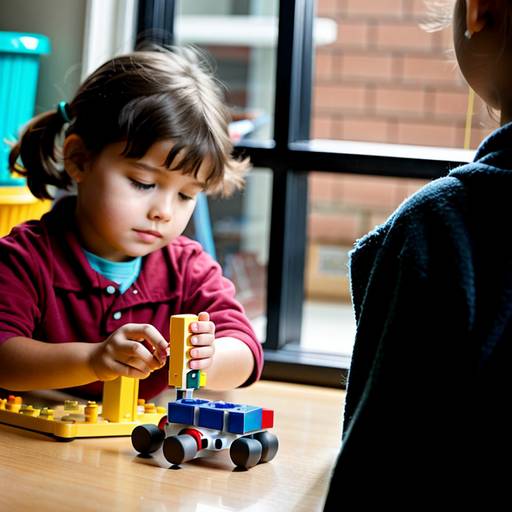
This preschool lesson plan introduces young students to the exciting world of robotics through interactive, hands-on activities. The session begins with a storytime reading about robots, sparking discussion around what robots do and their applications in everyday life. Students then participate in exploration stations, where they engage in coding simple programmable robots, design their own robot creations on large paper, navigate a DIY obstacle course, and color worksheets featuring robots.
The activities are designed to promote teamwork, creativity, and problem-solving skills while fostering communication among peers. After the hands-on exploration, students share their creations and reflect on their experiences, discussing challenges and enjoyable aspects of the activities. The lesson wraps up with a summary of key insights gained during the session and a sneak peek into future robotics projects, sustaining interest and excitement for further learning in technology. Informal assessments through observation and discussion help gauge student engagement and understanding throughout the lesson. Accommodations are provided to support all students in their learning journey.