
Filters
Level
Grade
Subject
Subject Area
Subject Topic
Standard(s)
Audience
Keyword
DurationMinutes
Preschool Family Lesson Plans


This preschool lesson focuses on helping children explore the concept of family and its diverse structures. It begins with a group discussion to introduce what families are and who belongs to them, followed by a read-aloud of a storybook that highlights different types of families. After the story, children share details about their own families to promote social skills like listening and respect.
Next, students engage in a creative drawing activity where they illustrate their families, encouraging them to express individuality and creativity. The class then collaborates on a large poster showcasing the drawings, symbolizing the diversity and unity of families within the group. The lesson concludes with a fun song or rhyme related to families, reinforcing the day's learning while allowing for a smooth transition to free play. Throughout the lesson, teachers observe participation, engagement, and respect among peers to assess understanding. The activities are designed to foster a sense of belonging and appreciation for each child's unique family background.
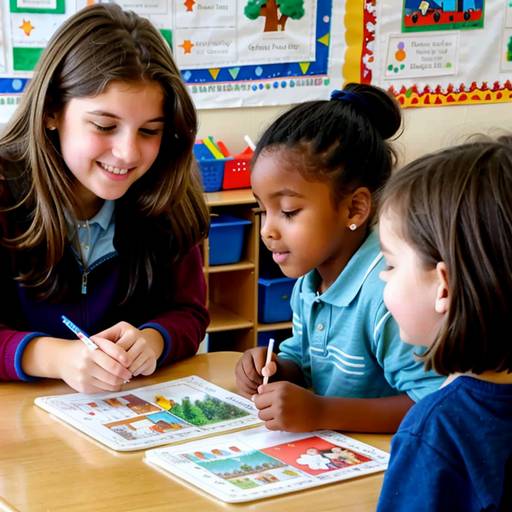
The lesson focuses on helping preschool students explore and appreciate the concept of family. It begins with an interactive circle time where children identify and share who is in their families. This is followed by a read-aloud of a story that highlights various family structures, encouraging students to think about their own experiences. Students then have the opportunity to share family photos, reinforcing vocabulary related to family members and relationships.
Next, a fun Family Bingo game engages children in recognizing different family roles and items. The lesson culminates in a creative craft activity where students create family trees or collages representing their family members, allowing for individual expression. The session wraps up with a reflective discussion, inviting students to share their learning outcomes. Throughout the lesson, diverse learning needs are accommodated, and assessments are incorporated through observation and interactive participation, ensuring a comprehensive understanding of family dynamics among the children.
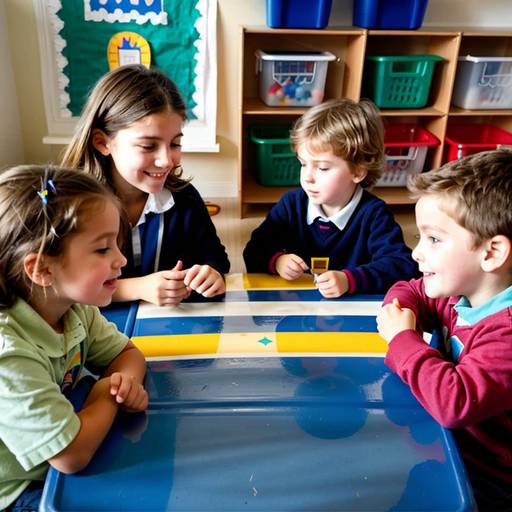
This lesson plan focuses on helping preschool children understand the importance of family, emotions, and the establishment of rules and routines that foster a safe and supportive environment. The lesson begins with a discussion to encourage children to share about their families and the feelings they experience when together. A story related to families and feelings is read, prompting further exploration of emotions through visual aids.
Children then work collaboratively to create a list of classroom rules inspired by the supportive dynamics of their own families. A group activity includes singing a family-themed song, incorporating movement to express emotions. The lesson concludes with a wrap-up discussion, allowing children to reflect on what they’ve learned regarding family connections and classroom expectations. Through engagement in these activities, children develop social and emotional skills that enhance their understanding of relationships within their families and community. Extension activities are suggested to reinforce these concepts at home.
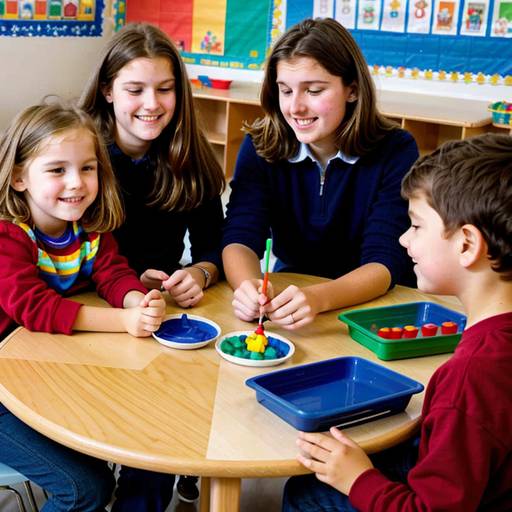
This lesson plan focuses on helping preschool children understand and express their emotions in the context of family. The session begins with a group discussion about family structures and the emotions associated with family experiences. Children engage in identifying different feelings through facial expression cards, sharing personal stories related to those emotions. This is followed by a storytime segment featuring a book about family dynamics, where children reflect on characters' emotions and make connections to their own lives.
Afterward, children participate in a creative activity where they create their own family trees, adding drawings and names of family members while expressing their feelings about each one. The lesson concludes with a reflective circle where children share what they learned and appreciate about their families. The overall goal is to foster emotional awareness and strengthen the connections children have with their family members. An extension activity encourages parents to continue the conversation at home, promoting ongoing emotional development.
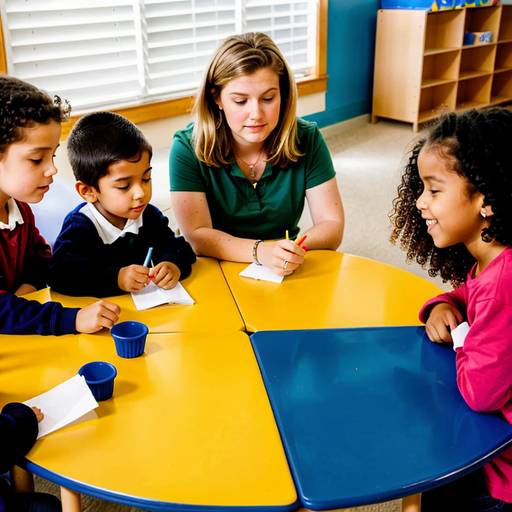
This preschool lesson plan focuses on helping young children understand the significance of rules and routines within their families and how these elements strengthen relationships. Beginning with an engaging circle time, students are encouraged to share their thoughts about family, followed by a read-aloud of a story that highlights various family structures and daily practices. After discussing their own family rules and routines, children collaboratively create a family routine chart, which reinforces their understanding of the topic.
An art activity allows them to express their experiences visually by drawing pictures of their families engaging in specific routines. The lesson concludes with a group reflection on the importance of these familial dynamics, supported by a song that celebrates family connections. Throughout the session, educators assess children's participation and understanding, and extensions are suggested to enhance family involvement in the learning process.
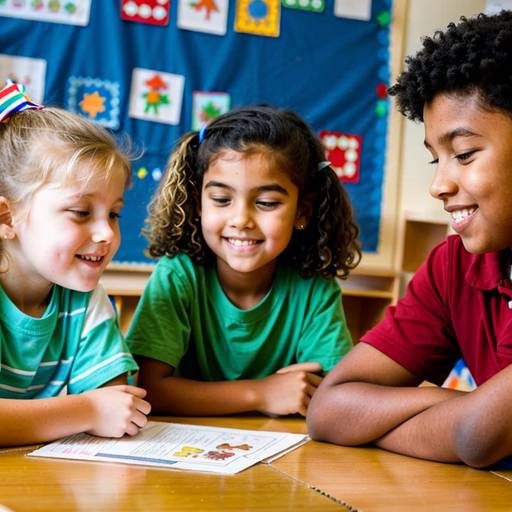
This preschool social studies lesson focuses on the concept of family and celebrates the diversity of family structures. It begins with an engaging discussion where children share their thoughts on what a family is and who is included in theirs. A storybook is then read to illustrate different family dynamics, encouraging interaction and prompting students to reflect on the story's content.
Following the story, children participate in an art activity where they draw pictures of their own families, fostering self-expression and personal connection. As they share their artwork with the class, a collaborative chart is created, listing various family roles mentioned by the students. This chart serves to highlight both the similarities and differences among families.
The lesson wraps up with a reminder of the importance and uniqueness of all families, reinforcing themes of connection and community. Extensions of the lesson provide opportunities for further exploration, such as creating a display or using puppets for interactive storytelling. Overall, the lesson emphasizes recognition of family diversity and encourages preschoolers to express their individual family experiences.
In this preschool lesson, children will explore the concepts of family, rules, and routines through engaging activities and discussions. The session begins with a group introduction, where children are invited to share their thoughts about family. A storybook that emphasizes familial relationships and feelings will be read aloud, prompting the children to reflect on the characters and their emotions.
Following the story, a guided discussion will help children recognize the importance of rules in both the classroom and at home, fostering understanding of how these rules contribute to safety and happiness. To reinforce these ideas, children will collaborate to create a poster featuring family rules, allowing them to express their creativity and personalize their contributions.
The lesson will conclude with a reflection where children can share their favorite rules or aspects of their families. A calming exercise will help reinforce emotional regulation. Throughout the session, children's engagement and contributions will be observed to tailor future activities to their interests and developmental needs. This lesson aims to strengthen social and emotional understanding while fostering connections among peers.
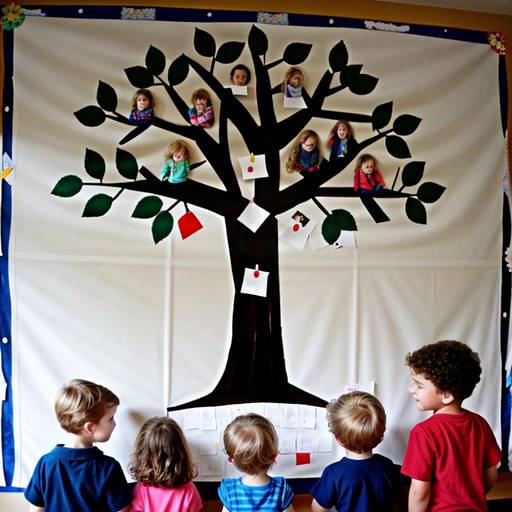
In this preschool lesson plan focused on social and emotional development, students will explore the concept of family, emotions, and the importance of rules and routines. The lesson begins with a group discussion about what family means to each child, followed by a read-aloud of a storybook that highlights different family structures and emotions. As part of a creative activity, each child will create a family tree, illustrating their family members and expressing their feelings towards them.
The discussion will then shift to the significance of family rules and routines, emphasizing how they contribute to feelings of safety and love. Children will share their family rules and reflect on how these rules impact their emotional well-being. To reinforce emotional expression, students will engage with a soft toy, sharing feelings related to their family experiences. Finally, the lesson concludes with a group reflection, allowing children to share their favorite parts of the activity and what they’ve learned about their families, feelings, and the role of rules in family life. Families will be encouraged to continue these discussions at home to further support emotional understanding.
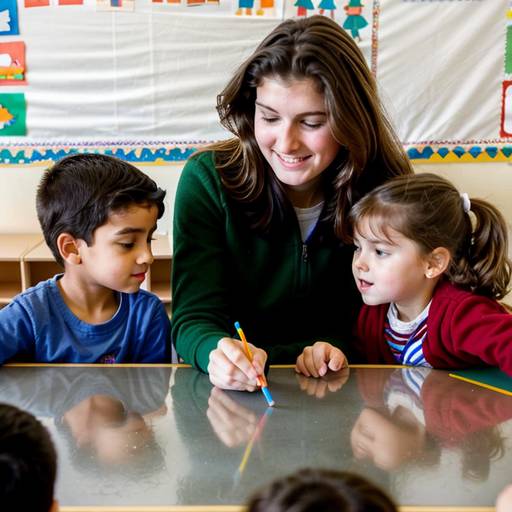
This preschool lesson plan focuses on enhancing emotional awareness among young children by exploring their feelings and the role of their families in managing those emotions. The session begins with a group discussion about different emotions using visual emotion cards, allowing children to identify and express personal experiences. A read-aloud story about emotions and family follows, prompting further reflection on how characters handle feelings, which helps connect literature to their own lives.
Children then engage in a creative art activity where they draw family scenes that represent specific emotions, promoting self-expression and storytelling. The lesson concludes with a reflection circle, encouraging children to share how their families support them in feeling safe and happy. Additionally, a closing role-playing activity using plush toys reinforces the concepts learned, fostering empathy and connection among peers. The overall goal is to help children articulate their emotions while recognizing the importance of family support, contributing to their social and emotional development.
Extensions encourage ongoing exploration of feelings both in the classroom and at home, further strengthening the connection between emotional awareness and family relationships.