
Filters
Level
Grade
Subject
Subject Area
Subject Topic
Standard(s)
Audience
Keyword
DurationMinutes
Preschool Plants Lesson Plans

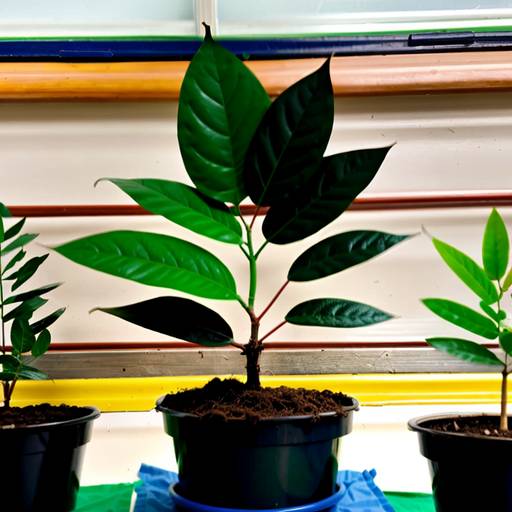
This preschool science lesson focuses on introducing young students to the world of plants. Over the course of approximately 37 minutes, children will engage in hands-on activities and interactive discussions to learn about the basic parts of a plant—including roots, stems, leaves, flowers, and seeds—and their essential needs for growth, such as sunlight, water, air, and soil.
The lesson begins with a circle time where students observe and discuss various plants using picture cards. They will then explore real plants to identify their parts and discuss their functions. Following this, students participate in a hands-on planting activity, where they plant seeds in pots and learn how to care for them. To reinforce their learning creatively, they will draw their favorite plants or imagined plants, labeling their parts.
The lesson encourages active participation, creativity, and environmental awareness, fostering a foundational understanding of botany in a fun and engaging manner. Students will conclude the session by sharing their drawings and thoughts about what they’ve learned. Throughout the lesson, the teacher will assess student understanding through observation and discussions.
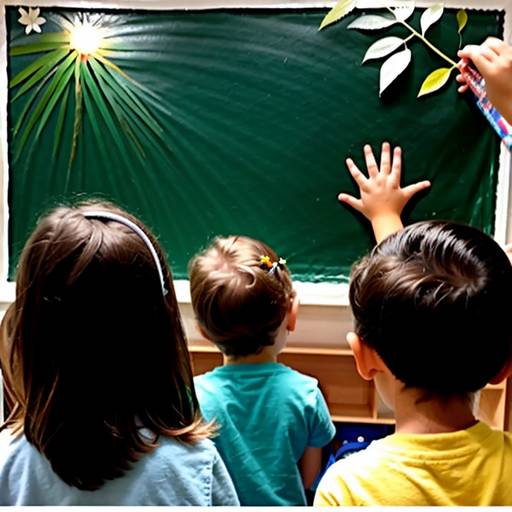
This preschool lesson plan focuses on introducing young students to the fascinating world of plants, covering their basic parts, needs for growth, and their importance in our environment. The session begins with an engaging discussion, encouraging children to share their experiences with plants. Using real plants and diagrams, the teacher explains the different parts of a plant, such as roots, stems, leaves, flowers, and seeds, while fostering student participation through questions and observations using magnifying glasses.
As the lesson progresses, students learn about the essential needs of plants—sunlight, water, air, and soil—through a lively discussion that prompts them to think critically about plant care. The hands-on activity involves planting seeds, where students fill small cups with soil, plant seeds, and water them, reinforcing their understanding of plant growth and care.
The lesson concludes with a reflective session where students discuss their favorite parts of the activity and what they have learned about plants. Overall, the session promotes curiosity about nature, enhances fine motor skills through the planting activity, and encourages teamwork and communication among the children. Extensions such as plant care journals and potential field trips can further enrich their learning experience.
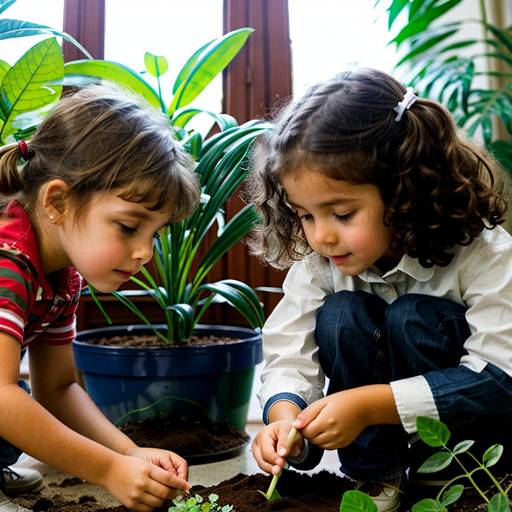
In this preschool science lesson, students will explore the basics of plants, focusing on their parts and growth needs. The lesson begins with a circle time discussion where students share their prior knowledge about plants. Visual aids, including pictures and live specimens, will be used to introduce the concepts of roots, stems, leaves, and flowers.
Students will engage in hands-on exploration by using magnifying glasses to closely observe live plants, encouraging curiosity and discussion about their findings. Following this activity, students will participate in planting seeds in soil, learning about the importance of water and sunlight for plant growth.
The lesson will conclude with a group reflection where students share their observations and thoughts about plant care. They will also create a simple chart together listing what plants need to thrive. Optionally, students can draw their favorite parts of a plant or imagine how their seeds will grow, reinforcing their understanding. Overall, this lesson aims to develop observation skills and a foundational understanding of plant biology while fostering a connection with the natural world.