
Filters
Level
Grade
Subject
Subject Area
Subject Topic
Standard(s)
Audience
Keyword
DurationMinutes
Preschool Environment Lesson Plans

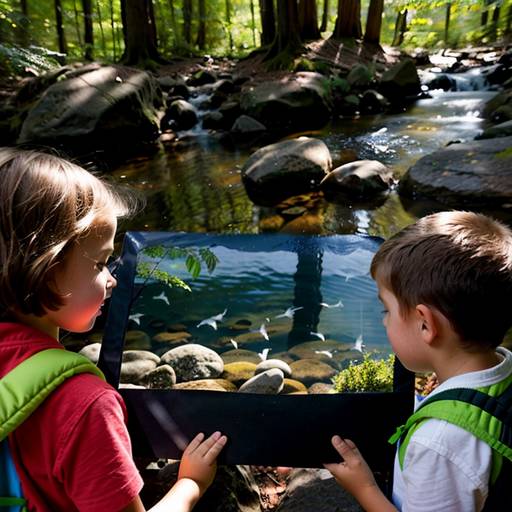
In this preschool science lesson, students will explore the components of ecosystems, focusing on plants, animals, and their habitats. The lesson begins with a circle time discussion that engages children by asking questions about what they see in nature and showcasing pictures of various ecosystems. Following this, students will participate in a nature walk, allowing them to collect small natural items, which helps enhance their observational skills and connection to the environment.
Back in the classroom, students will create collages using the items they've collected, adding drawings and paint to represent their understanding of the ecosystem. The activity encourages creativity and reinforces learning through hands-on experience. Finally, students will share their collages in a show-and-tell format, fostering communication skills and peer interaction.
The lesson wraps up with a discussion about the importance of caring for the environment, aiming to instill a sense of responsibility and appreciation for nature in young learners. Assessment will be based on students’ engagement and creativity during the activities. Opportunities for further exploration include gardening or inviting a guest speaker to discuss environmental conservation.
This preschool science lesson plan focuses on introducing young children to the environment and the interdependent relationships between plants and animals. The lesson begins with a group discussion about what the environment means to them, followed by an engaging story that illustrates these concepts. Students participate in a nature scavenger hunt to observe and collect various natural items, nurturing their curiosity and observational skills. After returning to the classroom, they use play-dough to create models of their favorite plants or animals, sharing their thoughts on how these entities contribute to the health of the environment. The session concludes with a review of the importance of eco-friendliness and a creative coloring activity. Assessment is informal, based on participation and discussions, while extension activities encourage further exploration and interaction with nature.