
Filters
Level
Grade
Subject
Subject Area
Subject Topic
Standard(s)
Audience
Keyword
DurationMinutes
Preschool Animals Lesson Plans

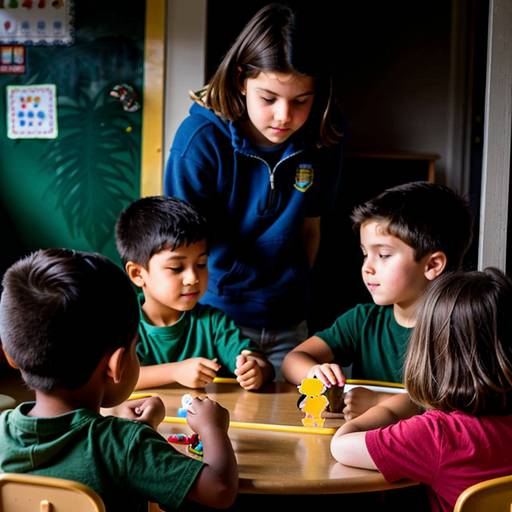
In this preschool lesson, students will embark on an engaging exploration of animal habitats and behaviors. The session begins with a circle discussion where children share their favorite animals and where they believe these animals live. Following this, students participate in a habitat sorting game where they categorically sort animal picture cards into labeled bins representing different habitats such as forests, oceans, deserts, and savannahs.
Next, students have the opportunity to interact with sensory bins filled with materials that mimic different habitats, allowing them to play imaginatively with plastic animal figures and discuss animal behaviors in these environments.
The lesson continues with a creative art project where children create dioramas of their chosen habitat, incorporating animals and plants relevant to that ecosystem. As they share their dioramas, students reflect on their learning about animals and environmental care. The lesson concludes with an optional extension where children can read a book or watch a video about habitats, reinforcing their newfound knowledge while promoting curiosity and appreciation for wildlife. Overall, this lesson aims to inspire a sense of wonder and responsibility for the natural world among young learners.
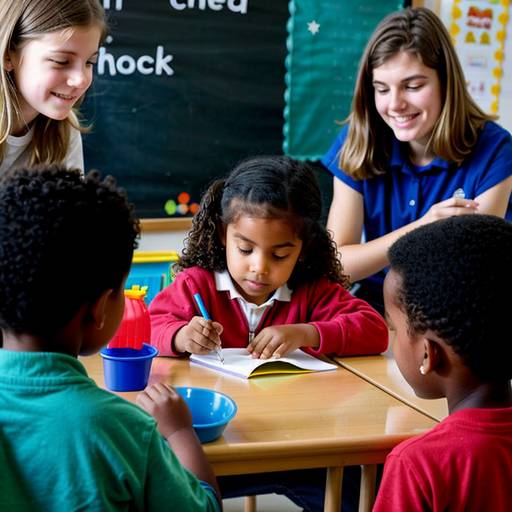
In this preschool lesson, students will embark on an exploration of animals and their habitats, fostering an understanding of environmental awareness. The session begins with a circle time discussion where children identify various animals using flashcards and share thoughts about where these animals live. A picture book reading follows, engaging students with interactive questions about animal sounds and habitats.
Next, children participate in a hands-on activity using a sensory bin filled with natural items where they discover hidden animal figures and match them to habitat drawings displayed on a poster board. The lesson continues with an arts and crafts segment, allowing each child to create their favorite animal while reflecting on its needs for survival.
To deepen their understanding, the group engages in a conversation about simple actions they can take to protect animals and their environments. Finally, the session wraps up with snack time—featuring animal-shaped crackers—where children share details about their crafts while reinforcing the day's learning. The lesson ends with an emphasis on celebrating creativity and awareness of how to support wildlife.
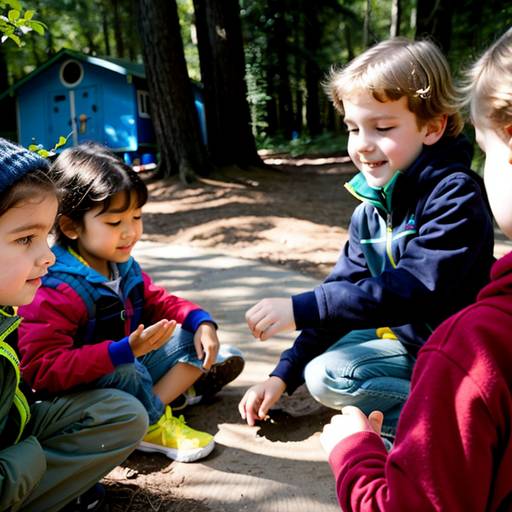
In this preschool science lesson, students will explore the concepts of living and nonliving things, emphasizing their characteristics and differences. The lesson will begin with an interactive discussion to elicit prior knowledge, followed by a visual presentation using pictures to categorize items into living and nonliving groups.
Next, students will participate in a hands-on nature scavenger hunt, using magnifying glasses to investigate their environment for examples of both categories. After sharing their findings with the group, they will engage in a creative collage activity where they will illustrate their understanding by constructing a visual representation of living and nonliving things.
The lesson will conclude with a group discussion to reinforce key concepts, encouraging students to reflect on what they learned. Assessment will be based on participation, understanding during group activities, and the accuracy of the collages created. Optional extensions include reading a related story or playing a game to further solidify the concepts. Adjustments will be made for timing based on student engagement.