
Filters
Level
Grade
Subject
Subject Area
Subject Topic
Standard(s)
Audience
Keyword
DurationMinutes
Preschool Animals Lesson Plans

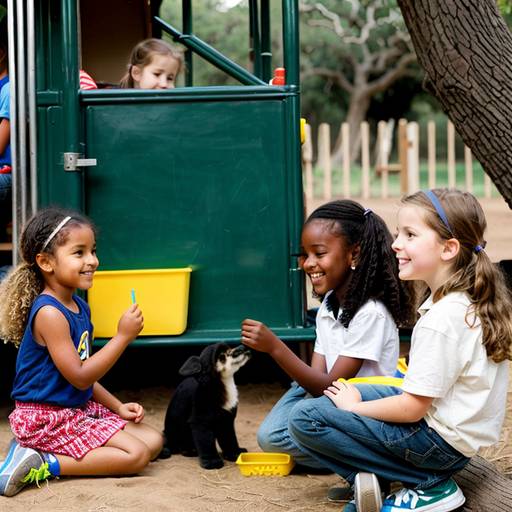
This preschool science lesson is designed to introduce young children to various animals and their habitats through an engaging and interactive experience. The lesson begins with a circle time discussion about what a safari is and includes a read-aloud story that features different animals, fostering language development and participation.
Students will explore animal identification through the use of plush toys or cut-outs and engage their listening skills with animal sound recordings. A movement activity encourages them to mimic animal behaviors, enhancing gross motor skills. Creativity is further fostered with a craft time where children create drawings of their favorite animals or their habitats, allowing for personal expression and art sharing.
The lesson concludes with a reflection period where children discuss their artwork and share what they've learned. Through these activities, children develop observational skills, improve language abilities, and learn about the importance of animals and their environments, all while having fun in a structured and supportive setting.
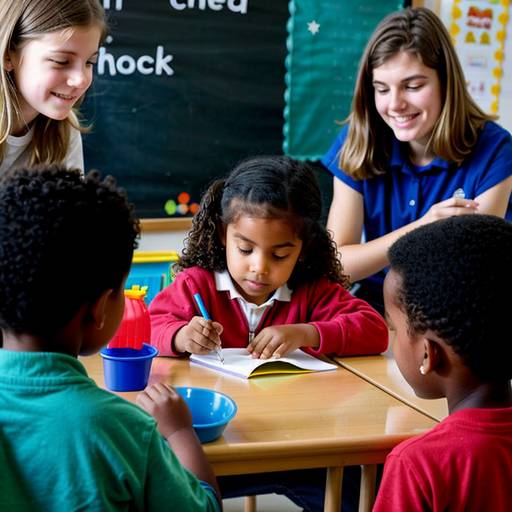
In this preschool lesson, students will embark on an exploration of animals and their habitats, fostering an understanding of environmental awareness. The session begins with a circle time discussion where children identify various animals using flashcards and share thoughts about where these animals live. A picture book reading follows, engaging students with interactive questions about animal sounds and habitats.
Next, children participate in a hands-on activity using a sensory bin filled with natural items where they discover hidden animal figures and match them to habitat drawings displayed on a poster board. The lesson continues with an arts and crafts segment, allowing each child to create their favorite animal while reflecting on its needs for survival.
To deepen their understanding, the group engages in a conversation about simple actions they can take to protect animals and their environments. Finally, the session wraps up with snack time—featuring animal-shaped crackers—where children share details about their crafts while reinforcing the day's learning. The lesson ends with an emphasis on celebrating creativity and awareness of how to support wildlife.
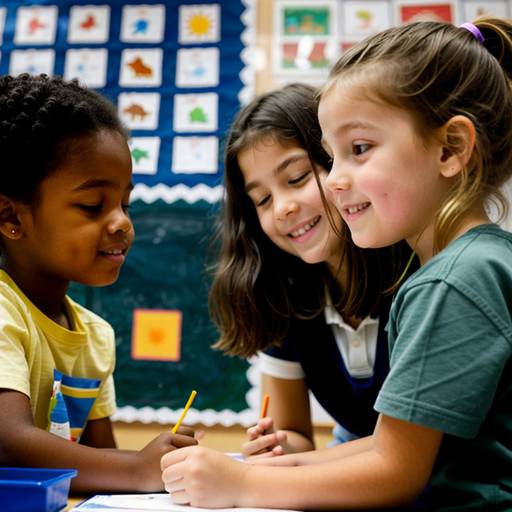
This preschool science lesson is designed to engage children in exploring animals through observation and inquiry. Students will begin by sharing their knowledge of different animals during a circle time discussion, setting the stage for discovery. They will then participate in hands-on observation activities at designated stations, where they will examine toy animals and pictures, using magnifying glasses to enhance their exploration and describe their findings.
Following this, children will gather for an inquiry circle, discussing their observations, asking questions about animals, and providing answers based on their insights. This fosters critical thinking and inquiry skills. To promote creativity, each child will then create an artwork of their favorite animal, sharing their drawings and insights in a show-and-tell format.
The lesson concludes with a recap of what was learned, encouraging students to continue observing animals in their environment. Optional follow-up activities include field trips and ongoing journaling to further explore animal habitats. Assessment will focus on student participation, observation skills, and artistic expression throughout the lesson. Overall, the lesson emphasizes hands-on learning, critical thinking, and creative expression in the context of animal exploration.
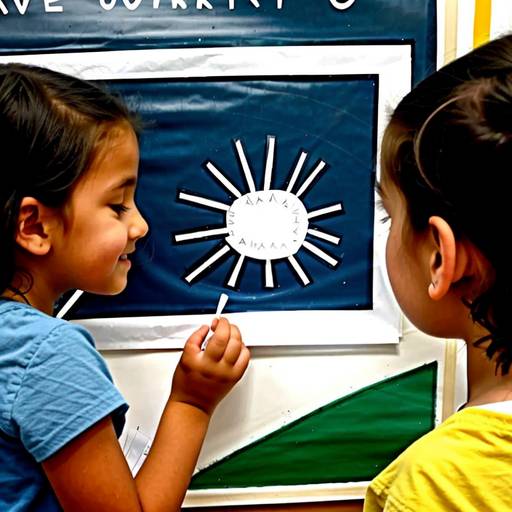
In this engaging preschool science lesson, students will learn to differentiate between living and nonliving things while exploring various animals and their habitats. The session begins with a group discussion where children share their favorite animals. They will participate in a sorting activity that helps them categorize picture cards of animals and nonliving objects, reinforcing the characteristics of each group.
Next, students will be introduced to different animal habitats through images or dioramas, discussing how animals adapt to their environments. A small live plant will also be presented to highlight its living traits.
To foster creativity, children will create their drawings of animals in their chosen habitats, taking into consideration what those animals need to thrive. The lesson wraps up with students sharing their artwork and discussing what they learned about living versus nonliving things. Throughout the session, students are encouraged to observe their surroundings and consider the nature of the entities they encounter.
Assessment will focus on participation in activities and discussions as well as the thoughtfulness displayed in their drawings. Extensions for future lessons could include topics such as animal adaptations and food chains. Overall, this lesson aims to stimulate curiosity about the natural world and enhance understanding of life sciences in young learners.
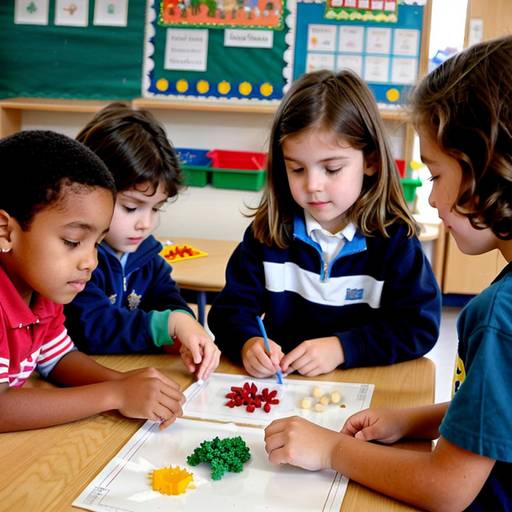
In this preschool lesson, students will explore the concepts of living and nonliving things through engaging discussions, interactive activities, and outdoor exploration. The session begins with a circle time where children share their thoughts on what they believe is alive or not, followed by a direct instruction segment that highlights key characteristics of living and nonliving entities. Through a collaborative sorting activity using picture cards, students will categorize examples and enhance their understanding.
Participants will then have the opportunity to explore their environment, either outdoors or indoors, using magnifying glasses to observe and gather items for further classification. A short interactive story will reinforce the concepts, inviting further discussion among students. The lesson concludes with a reflection circle where students share their discoveries, ensuring they internalize the differences between living and nonliving things. Assessment will occur through observation during activities and discussions, while extensions may include creative collages and songs to further embed the concepts in their learning environment.
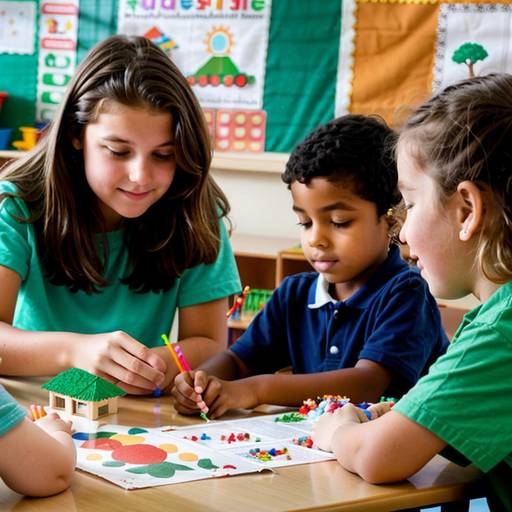
In this preschool lesson plan, students are introduced to the importance of protecting the environment and the significant role that animals play in our ecosystem. The lesson begins with a circle discussion about favorite animals and their habitats. A picture book about animals and environmental awareness is read to facilitate comprehension. Students participate in a brainstorming session where they share ideas on how to care for the Earth and its animal inhabitants.
The lesson continues with an exploration of various animal habitats using cutouts or toys, emphasizing the impact of pollution and habitat destruction. A hands-on recycling activity allows students to learn about the importance of recycling in protecting the environment by sorting items into appropriate bins.
Students then engage in a creative art activity, creating drawings or posters that showcase their favorite animals and highlight ways to save the Earth. The class concludes with a recap of the key points and a simple song related to caring for animals. Throughout the lesson, students are assessed on their understanding of environmental awareness and shown how they can actively contribute to protecting the planet. Follow-up activities include nature walks and collaborative projects to deepen their learning.
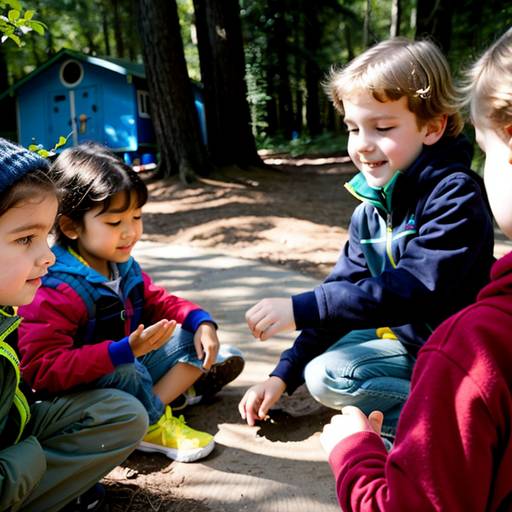
In this preschool science lesson, students will explore the concepts of living and nonliving things, emphasizing their characteristics and differences. The lesson will begin with an interactive discussion to elicit prior knowledge, followed by a visual presentation using pictures to categorize items into living and nonliving groups.
Next, students will participate in a hands-on nature scavenger hunt, using magnifying glasses to investigate their environment for examples of both categories. After sharing their findings with the group, they will engage in a creative collage activity where they will illustrate their understanding by constructing a visual representation of living and nonliving things.
The lesson will conclude with a group discussion to reinforce key concepts, encouraging students to reflect on what they learned. Assessment will be based on participation, understanding during group activities, and the accuracy of the collages created. Optional extensions include reading a related story or playing a game to further solidify the concepts. Adjustments will be made for timing based on student engagement.