
Filters
Level
Grade
Subject
Subject Area
Subject Topic
Standard(s)
Audience
Keyword
DurationMinutes
Preschool Animals Lesson Plans

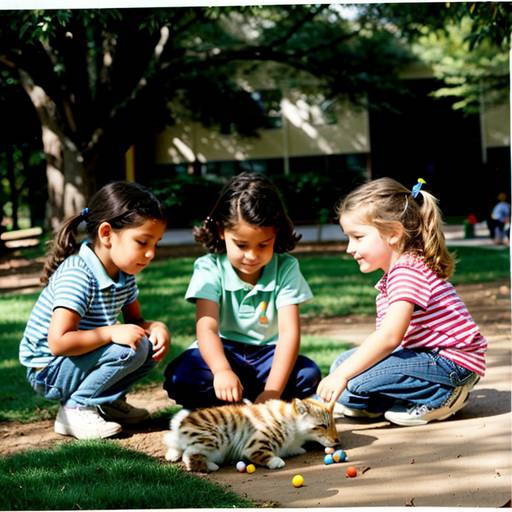
In this preschool science lesson, children will engage in a hands-on exploration of different animal habitats, including forests, deserts, oceans, and grasslands. The session begins with a group discussion to spark curiosity about animals and their environments, encouraging children to share their knowledge.
Next, a matching activity involves using picture cards to identify various habitats and animal flashcards to associate animals with their correct homes. Following this, the children will venture outdoors for a nature exploration, equipped with magnifying glasses and bags to collect interesting items such as leaves and stones, fostering their observational skills.
Upon returning, students will create drawings of their favorite habitat and the animals that inhabit it. To celebrate their discoveries, each child will receive a “Nature Detective” badge. The lesson concludes with a review of what was learned and a fun song about animals or habitats, reinforcing the concepts explored throughout the session. Observations made during activities will assess children's understanding and participation, with potential extensions for further learning at home or on a special habitat-themed day.
This preschool science lesson focuses on introducing young children to various animals and their natural habitats. The session begins with a group discussion where children share their knowledge of animals and identify their living environments. Following this, an interactive sorting activity allows students to categorize animal picture cards into three habitat boxes labeled "Land," "Water," and "Air," while discussing the characteristics of each habitat.
After a storytime featuring a nature-themed book, children engage in a creative drawing activity where they illustrate their favorite animal and its habitat, encouraging sharing and communication. If possible, an outdoor exploration encourages observation of wildlife and discussions about how animals adapt to their environments.
The lesson concludes with a collaborative activity where students place animal toys or puppets onto a large mat representing different animal habitats, fostering further discussion about each animal. Throughout the session, children are assessed through their participation and engagement in the activities, with opportunities for follow-up activities that reinforce their learning and appreciation of nature. This lesson promotes inquiry-based learning and fosters a connection to the natural world while encouraging creativity and cooperative learning among preschoolers.
In this preschool lesson plan, students are introduced to the importance of protecting the environment and the significant role that animals play in our ecosystem. The lesson begins with a circle discussion about favorite animals and their habitats. A picture book about animals and environmental awareness is read to facilitate comprehension. Students participate in a brainstorming session where they share ideas on how to care for the Earth and its animal inhabitants.
The lesson continues with an exploration of various animal habitats using cutouts or toys, emphasizing the impact of pollution and habitat destruction. A hands-on recycling activity allows students to learn about the importance of recycling in protecting the environment by sorting items into appropriate bins.
Students then engage in a creative art activity, creating drawings or posters that showcase their favorite animals and highlight ways to save the Earth. The class concludes with a recap of the key points and a simple song related to caring for animals. Throughout the lesson, students are assessed on their understanding of environmental awareness and shown how they can actively contribute to protecting the planet. Follow-up activities include nature walks and collaborative projects to deepen their learning.
This preschool science lesson aims to introduce young children to various animals and their natural habitats, fostering curiosity and appreciation for wildlife. The lesson begins with a group discussion where students share their favorite animals and explore their characteristics and habitats. Through engaging activities, children will examine animal picture cards, learn about different animal types, and identify corresponding habitats such as forests, oceans, deserts, and wetlands.
Students will then participate in a collaborative drawing activity, creating a mural that integrates animals and elements from various environments. If time allows, an optional outdoor nature walk or scavenger hunt will enhance their observational skills by allowing them to explore local nature. The lesson concludes with a discussion about the importance of protecting wildlife and their habitats.
Assessment will be based on student participation and their ability to describe the animals and habitats discussed. Extensions may include a class journal for further exploration of animals or an invitation to a local wildlife expert. Overall, this lesson is designed to be fun and interactive, encouraging a deeper understanding of the natural world.