
Filters
Level
Grade
Subject
Subject Area
Subject Topic
Standard(s)
Audience
Keyword
DurationMinutes
Preschool Animals Lesson Plans

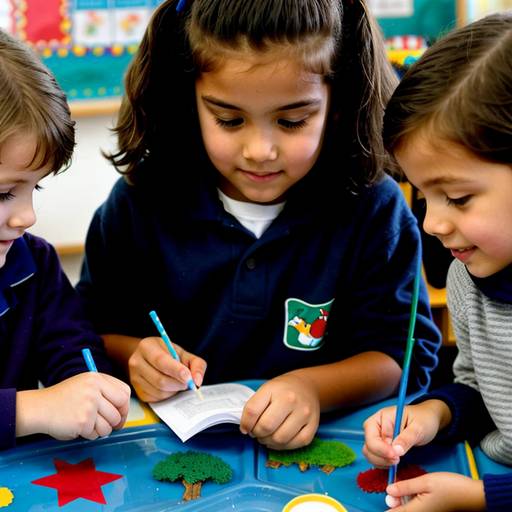
In this preschool science lesson, students will explore various animal habitats and their importance in the environment. The session begins with an engaging discussion about animals and their homes, followed by a storytime featuring a picture book that highlights different species and their habitats. Participants will then engage in hands-on exploration at interactive habitat stations, where they can observe and manipulate materials representing forests, oceans, deserts, and grasslands while learning about the animals that live in each environment.
Following the exploration, children will participate in a creative art activity, designing their own habitat scenes featuring their favorite animals. The lesson concludes with a reflection period where students share their artwork and discuss ways to protect animals and their habitats, fostering a sense of environmental responsibility. The session emphasizes interactive learning, creativity, and the significance of caring for the planet. Additionally, extensions such as a home scavenger hunt and a potential field trip to a zoo or nature reserve provide further opportunities for exploration.
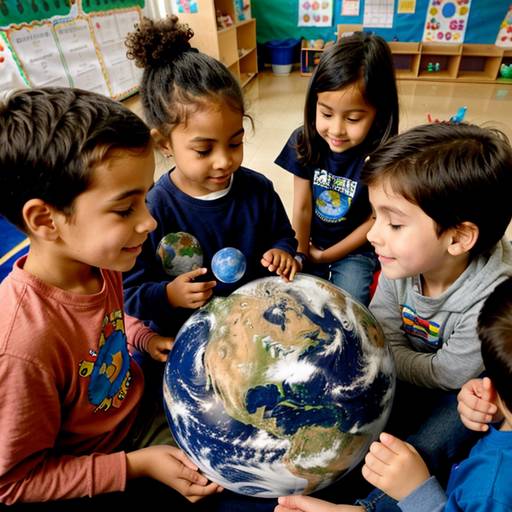
In this preschool science lesson, students will explore the relationship between various animals and their natural habitats, along with the importance of environmental conservation. The session begins with a group discussion where students share what they know about animals and their living environments. A selected picture book is read aloud to introduce different species and their homes, fostering engagement and critical thinking through guided questions.
Following the story, an interactive exploration of a large map illustrates diverse habitats, showcasing how specific animals adapt to their surroundings. Students then participate in a creative craft activity, where they design their own animals and their respective homes, considering the needs of each species.
To conclude the lesson, students share their creations and discuss the importance of protecting animal habitats. The lesson wraps up with a discussion on simple environmental actions that can help safeguard the planet for all living creatures. Through this engaging, hands-on approach, young learners will gain a foundational understanding of biodiversity and the significance of caring for the environment.
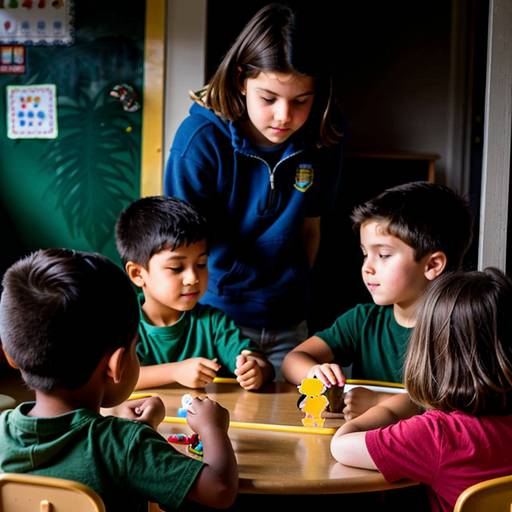
In this preschool lesson, students will embark on an engaging exploration of animal habitats and behaviors. The session begins with a circle discussion where children share their favorite animals and where they believe these animals live. Following this, students participate in a habitat sorting game where they categorically sort animal picture cards into labeled bins representing different habitats such as forests, oceans, deserts, and savannahs.
Next, students have the opportunity to interact with sensory bins filled with materials that mimic different habitats, allowing them to play imaginatively with plastic animal figures and discuss animal behaviors in these environments.
The lesson continues with a creative art project where children create dioramas of their chosen habitat, incorporating animals and plants relevant to that ecosystem. As they share their dioramas, students reflect on their learning about animals and environmental care. The lesson concludes with an optional extension where children can read a book or watch a video about habitats, reinforcing their newfound knowledge while promoting curiosity and appreciation for wildlife. Overall, this lesson aims to inspire a sense of wonder and responsibility for the natural world among young learners.
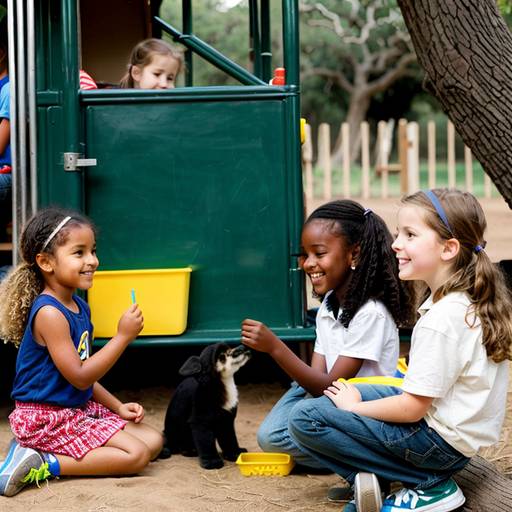
This preschool science lesson is designed to introduce young children to various animals and their habitats through an engaging and interactive experience. The lesson begins with a circle time discussion about what a safari is and includes a read-aloud story that features different animals, fostering language development and participation.
Students will explore animal identification through the use of plush toys or cut-outs and engage their listening skills with animal sound recordings. A movement activity encourages them to mimic animal behaviors, enhancing gross motor skills. Creativity is further fostered with a craft time where children create drawings of their favorite animals or their habitats, allowing for personal expression and art sharing.
The lesson concludes with a reflection period where children discuss their artwork and share what they've learned. Through these activities, children develop observational skills, improve language abilities, and learn about the importance of animals and their environments, all while having fun in a structured and supportive setting.
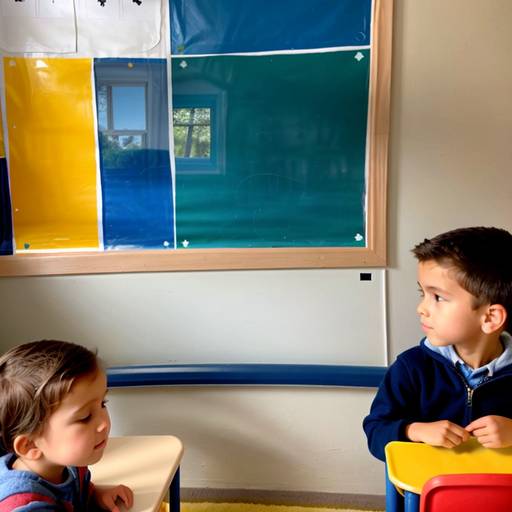
In this preschool lesson, students will explore various animal habitats and learn about the animals that live in them. The session begins with a discussion to help children understand what a habitat is and its significance to animals. Using flashcards and images, they will engage in an interactive exploration of different animals and their homes.
Following this, a storytime segment will introduce them to the wonders of habitats through a picture book, prompting responses and discussions that reinforce their learning. Students will then work in small groups to create artistic representations of animal habitats, choosing specific animals and the elements that make their homes unique.
A sensory exploration activity will allow children to interact with the crafted habitats and role-play as various animals, deepening their understanding through imaginative play.
In the conclusion, the group will review what they’ve learned, focusing on the importance of habitats for animals and how to protect these ecosystems. This lesson encourages creativity, collaboration, and critical thinking while fostering an appreciation for the natural world. Extensions may include inviting a wildlife expert or creating a habitat collage for further exploration of the topic. Adaptations will be made for differing individual needs to ensure all children can participate actively.
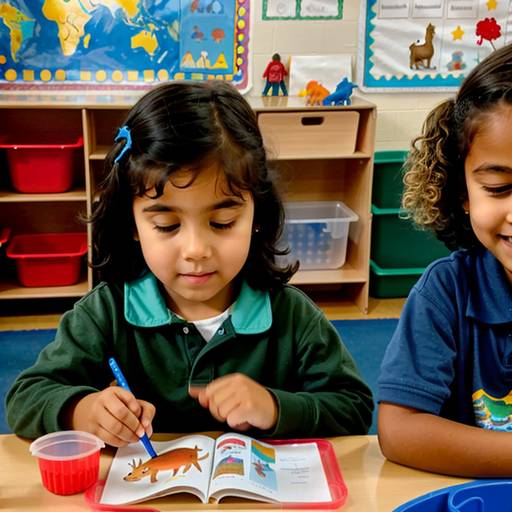
This lesson plan aims to introduce preschool students to the concept of animal adaptations and their importance in helping animals survive in their environments. It begins with a circle discussion to engage students' curiosity about what makes animals unique. Following this introduction, students participate in a series of interactive exploration stations where they observe various animals and their adaptations through hands-on activities.
After visiting the stations, students create drawings of their favorite animal, focusing on specific features that aid in survival. They then share their observations and drawings with the group, fostering communication skills and peer learning. The lesson concludes with a summary of key points about adaptations, encouraging students to reflect on their favorite animals and the adaptations that help them thrive. Assessment occurs through observation of participation and review of their drawings. Extensions include offering related literature or conducting a nature walk for further exploration of local wildlife.
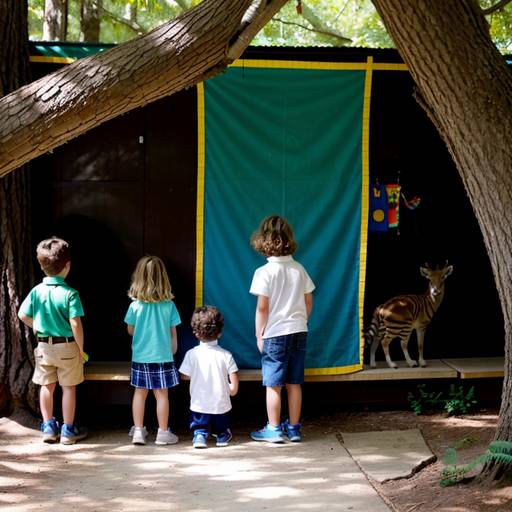
In this engaging preschool science lesson, children will explore various animals and their natural environments. The session begins with an interactive introduction where students discuss animals and their habitats. A story featuring different animals will capture their attention and help them identify where these animals live.
Students will then participate in a group activity where they match animals with the correct habitats using posters and figurines. Following this, they will express their creativity by drawing or creating representations of their assigned habitats, complete with corresponding animals.
Each child or group will have the opportunity to share their habitat creations with the class, promoting language development and collaboration. The lesson concludes with a review of key concepts about habitats and the importance of protecting them.
Assessment will occur through observation during group activities and presentations, ensuring children grasp the relationships between animals and their environments. Extension activities may include a field trip to a local zoo and discussions on animal conservation. Overall, the lesson fosters exploration, creativity, and teamwork while enhancing students' understanding of the natural world.
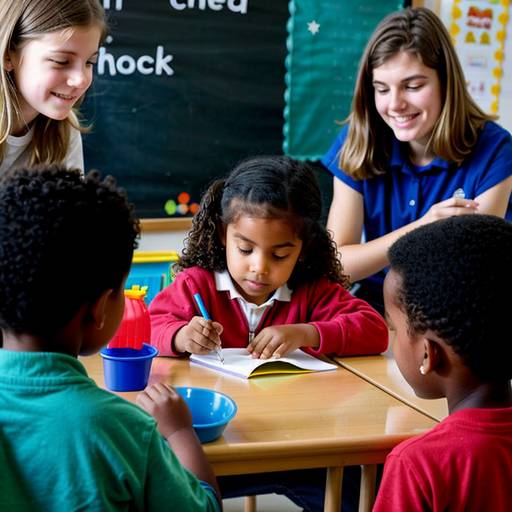
In this preschool lesson, students will embark on an exploration of animals and their habitats, fostering an understanding of environmental awareness. The session begins with a circle time discussion where children identify various animals using flashcards and share thoughts about where these animals live. A picture book reading follows, engaging students with interactive questions about animal sounds and habitats.
Next, children participate in a hands-on activity using a sensory bin filled with natural items where they discover hidden animal figures and match them to habitat drawings displayed on a poster board. The lesson continues with an arts and crafts segment, allowing each child to create their favorite animal while reflecting on its needs for survival.
To deepen their understanding, the group engages in a conversation about simple actions they can take to protect animals and their environments. Finally, the session wraps up with snack time—featuring animal-shaped crackers—where children share details about their crafts while reinforcing the day's learning. The lesson ends with an emphasis on celebrating creativity and awareness of how to support wildlife.
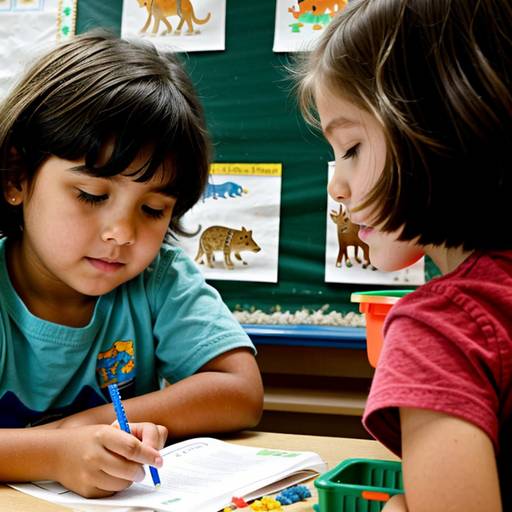
In this preschool science lesson, students will explore the concept of animal habitats through observation and inquiry. The session begins with a group discussion about animals and their homes, followed by a story that highlights various animal habitats. Using a variety of materials, children will work in small groups to create mini-habitats for chosen animals, encouraging hands-on learning and teamwork. Each group will present their habitats, discussing how their animals survive and adapt in different environments. The lesson concludes with a recap of key concepts and encourages students to share their favorite animals. This interactive approach fosters curiosity about nature and promotes critical thinking and discussion among young learners.
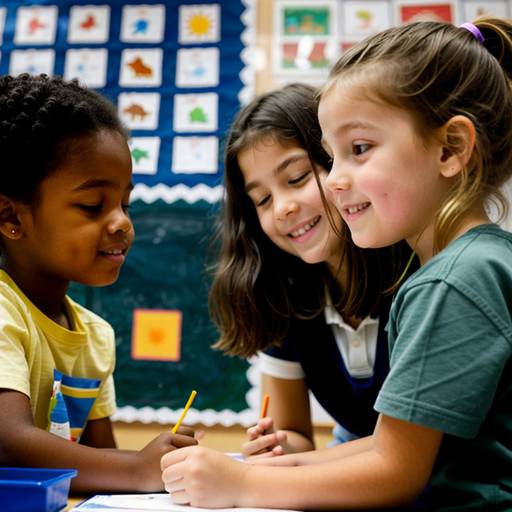
This preschool science lesson is designed to engage children in exploring animals through observation and inquiry. Students will begin by sharing their knowledge of different animals during a circle time discussion, setting the stage for discovery. They will then participate in hands-on observation activities at designated stations, where they will examine toy animals and pictures, using magnifying glasses to enhance their exploration and describe their findings.
Following this, children will gather for an inquiry circle, discussing their observations, asking questions about animals, and providing answers based on their insights. This fosters critical thinking and inquiry skills. To promote creativity, each child will then create an artwork of their favorite animal, sharing their drawings and insights in a show-and-tell format.
The lesson concludes with a recap of what was learned, encouraging students to continue observing animals in their environment. Optional follow-up activities include field trips and ongoing journaling to further explore animal habitats. Assessment will focus on student participation, observation skills, and artistic expression throughout the lesson. Overall, the lesson emphasizes hands-on learning, critical thinking, and creative expression in the context of animal exploration.