
Filters
Level
Grade
Subject
Subject Area
Subject Topic
Standard(s)
Audience
Keyword
DurationMinutes
Preschool Rhythms Lesson Plans
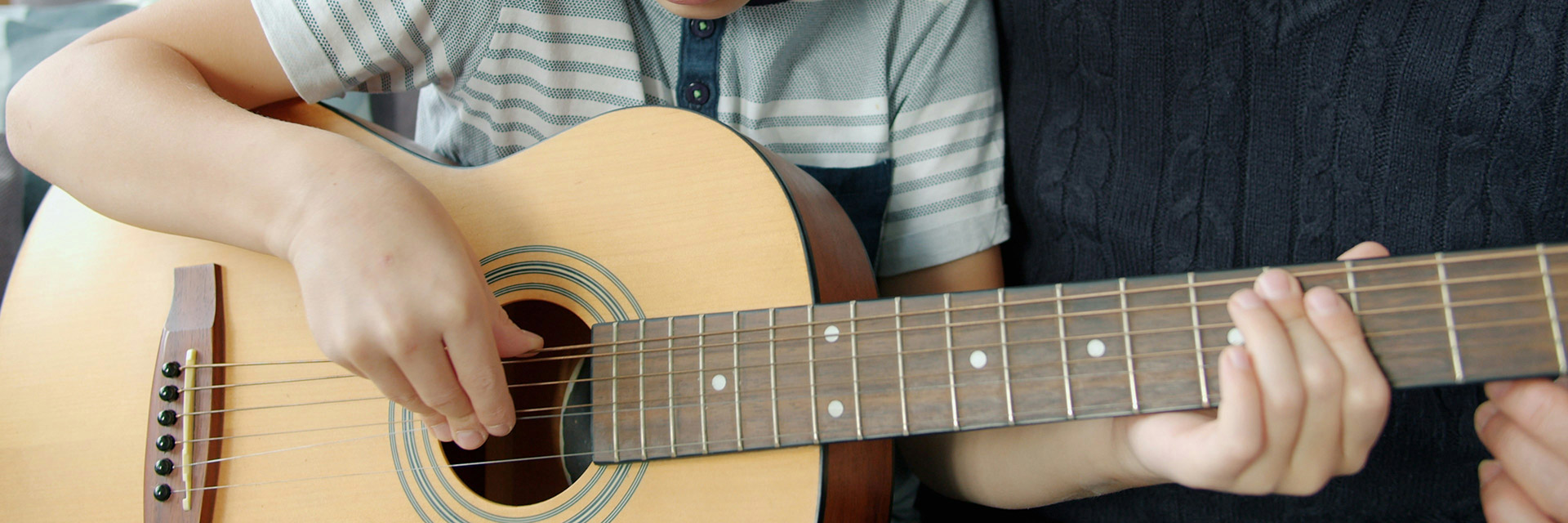
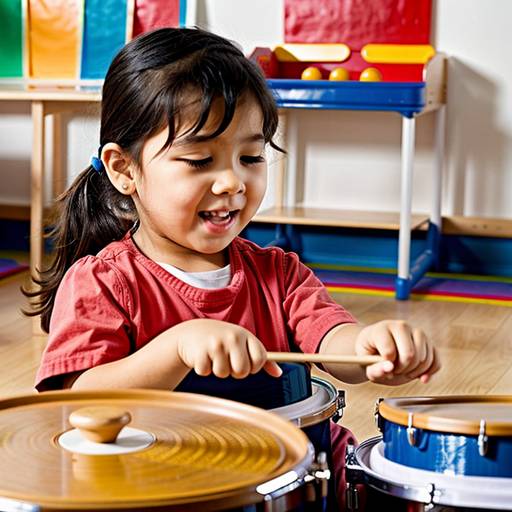
This 45-minute preschool music lesson focuses on engaging young children in rhythmic activities to enhance their understanding of beats, patterns, and coordination through movement and music. The session begins with a fun clapping pattern to introduce the concept of rhythm as the "heartbeat" of music.
Children participate in warm-up exercises using body percussion, which includes clapping, stomping, and patting their legs, followed by an exploration of various percussion instruments. This hands-on experience allows them to experiment with sounds and engages them in a group jam session.
The lesson includes interactive rhythm games, such as "Follow the Leader" and "Rhythm Freeze Dance," encouraging children to replicate rhythms and move to music. A creative movement activity involves colorful scarves or ribbons, allowing children to express themselves rhythmically in time with different tempos.
To conclude, the children gather in a circle to create a layered rhythm together, reinforcing the importance of listening and collaboration. The lesson ends with a reflective discussion on their experiences and a group rhythm clap as they finish. Throughout the session, educators assess children's participation, rhythm imitation, and their ability to listen and engage with others in a joyful learning environment.
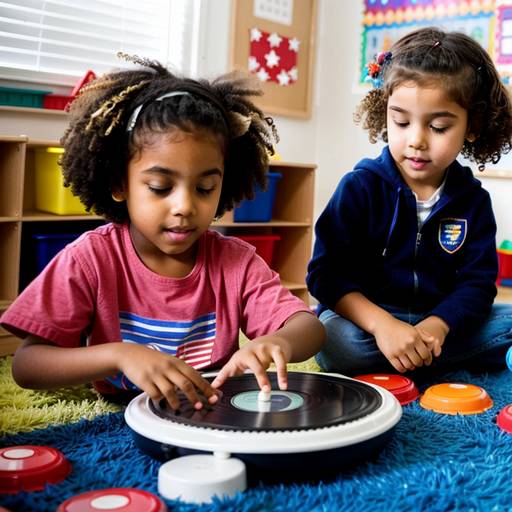
This preschool music lesson plan focuses on introducing young children to the concept of rhythm through a variety of engaging activities that span 45 minutes. The lesson begins with a circle discussion where children are encouraged to share their experiences with rhythm, followed by a demonstration of different clapping patterns for them to mimic.
Next, students participate in body percussion activities, including clapping and stomping, and play a rhythm echo game to reinforce their understanding of rhythms. They then explore various musical instruments, such as drums and shakers, allowing for free play and the creation of their own rhythm patterns in small groups, which they later perform for their peers.
Incorporating movement, the lesson includes a lively dance party with different musical genres, followed by a "Follow the Leader" activity where children imitate rhythmic movements. As the lesson winds down, students engage in a calming session with soft music, encouraging gentle play on their instruments. The session concludes with a group reflection on their favorite activities and a farewell song, fostering a sense of community and closure.
Throughout the lesson, children are assessed on their ability to follow rhythms and patterns, with adaptations available to support diverse learning needs. The overall goal is to develop early rhythm skills while promoting coordination, creativity, and social interaction among students.