
Filters
Level
Grade
Subject
Subject Area
Subject Topic
Standard(s)
Audience
Keyword
DurationMinutes
Preschool Writing Lesson Plans

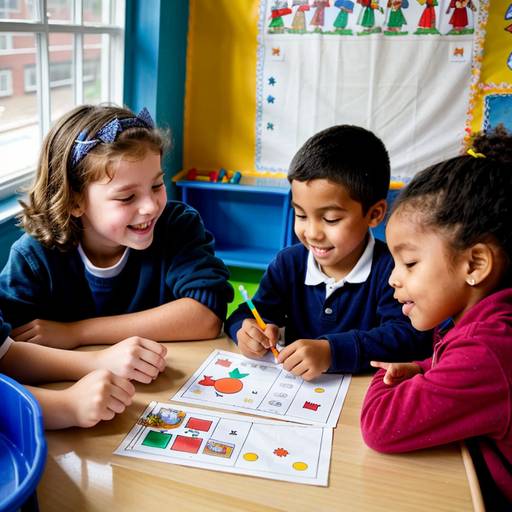
In this preschool language arts lesson, students will explore the basic elements of sentence structure by engaging in interactive activities designed to foster their understanding of subjects, verbs, and objects. The lesson begins with a group discussion about sentences, setting the stage for learning.
Students will participate in sentence-building activities using picture cards depicting nouns and verbs, allowing them to collaboratively create simple sentences. Each child will then form a new sentence using sentence strips, and they will draw corresponding illustrations to reinforce the connection between writing and visual expression.
The lesson concludes with a sharing session, where students present their sentences and artwork to the class, enhancing their confidence in communication and reinforcing their grasp of sentence structure. Assessment will be based on participation and the ability to create meaningful sentences, with opportunities for follow-up activities to continue building their language skills.
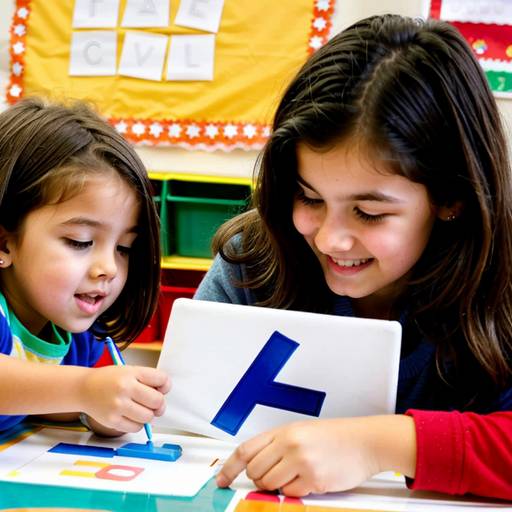
This preschool language lesson is designed to engage young learners in exploring the alphabet through a variety of interactive writing activities. The lesson begins with a group chant of the alphabet, followed by an identification exercise using flashcards where children learn to associate letters with sounds and words.
Students then participate in guided writing exercises, tracing letters on worksheets and writing the first letters of their names on sticky notes to create a "Letter Wall" in the classroom. Additionally, they engage in free drawing activities, illustrating objects that begin with the letters they are focusing on.
The lesson concludes with a sharing session where children present their drawings and the letters they’ve explored, fostering communication and collaboration. Throughout the session, educators assess student engagement, letter recognition, and fine motor skills, while providing support and encouragement to all learners. Extensions and adjustments are included to cater to diverse learning needs and to continue building on these foundational skills in future lessons.
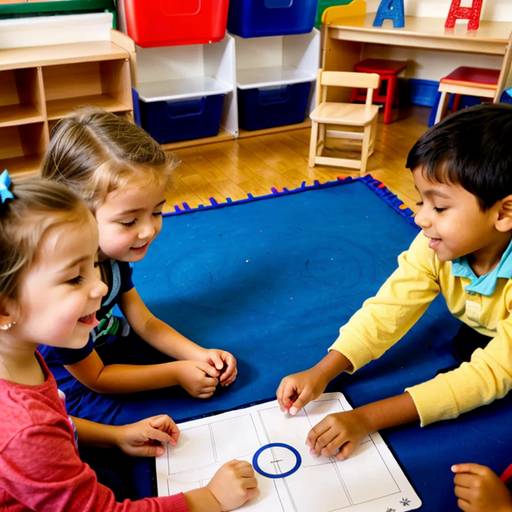
This preschool language lesson focuses on introducing young learners to the basic formation of uppercase letters A, B, and C. The session begins with an engaging introduction, where children are prompted to sing the alphabet song together, fostering excitement about letters.
In the direct instruction phase, the teacher demonstrates the proper techniques for writing each letter, accompanied by the corresponding sounds and example words. Students then have the opportunity to practice letter formation through tracing worksheets, and they engage in a hands-on sensory activity using materials like sand or rice. This tactile experience helps reinforce their writing skills and enhances fine motor development.
For independent practice, children use Playdough to sculpt the letters, allowing for creative expression while reinforcing their understanding of letter shapes. The lesson culminates with a review of the key concepts and an interactive letter-sorting game, allowing students to categorize items based on initial sounds. The lesson concludes with a fun goodbye song, further reinforcing the letters covered during the session. Throughout the lesson, the teacher assesses student understanding through observations and participation, ensuring a supportive and engaging learning atmosphere.

In this Preschool Language Arts lesson, students will engage in activities that promote writing skills through expression and creativity. The session begins with a discussion on the importance of writing, followed by an interactive read-aloud of a visually engaging picture book that encourages imagination. After the story, students will create their own "scribble stories" by drawing pictures that convey a narrative, utilizing lines, shapes, and recognized letters. They will also incorporate relevant word cards into their drawings.
Following the creation of their scribble stories, students will present their artwork to the class, fostering public speaking skills and peer interaction. The lesson concludes with a reflection on the activity and a possible optional journal writing component if time permits. Throughout the lesson, the teacher will observe participation, creativity, and the students' ability to articulate their thoughts, ensuring a supportive and engaging environment for developing writing skills. Finally, follow-up activities will reinforce letter recognition and provide further opportunities for writing practice.
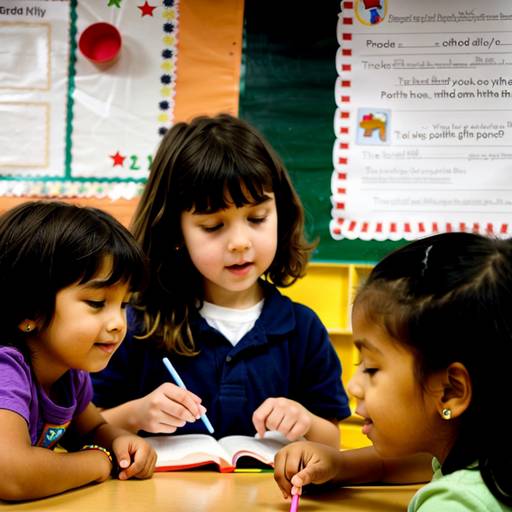
In this preschool language arts lesson, students will explore basic sentence structure by identifying subjects, verbs, and objects through interactive group activities. The lesson begins with a welcoming circle time where students share their names and favorite things to foster engagement. They will then collaborate in small groups using sentence-building cards to create simple sentences, which they will share with the class. After modeling sentence components on the whiteboard, students will illustrate their sentences and write them underneath their drawings. The session concludes with a sharing and celebration of their creative efforts, encouraging participation and reinforcing their understanding of sentence formation. Assessments will include observational checks during activities and reviews of the students’ written work. Modifications and extensions are included to cater to varying skill levels. Overall, this lesson promotes collaboration, creativity, and fundamental grammar skills in a fun and engaging manner.
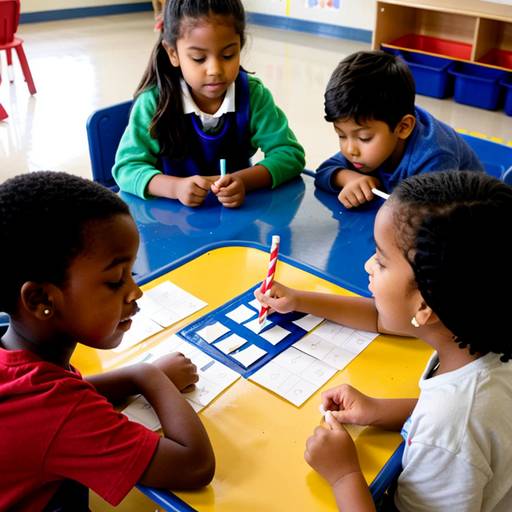
This preschool language arts lesson focuses on teaching students the basics of sentence structure, specifically identifying nouns and verbs. The session begins with an interactive discussion where students learn what a sentence is and explores its components through engaging flashcards and collaborative examples. During guided practice, children observe and participate in creating sentences based on picture prompts, reinforcing their understanding through verbal expression. As an independent activity, each student draws from a given picture prompt and writes a sentence about it, allowing them to apply what they've learned creatively. The lesson concludes with a sharing session, where students present their work, enhancing their confidence and reinforcing their learning. This approach promotes active participation and foundational writing skills in a fun, collaborative environment. Assessment is conducted through observations and the evaluation of student-created sentences. Extension activities provide opportunities for further exploration of sentence construction.
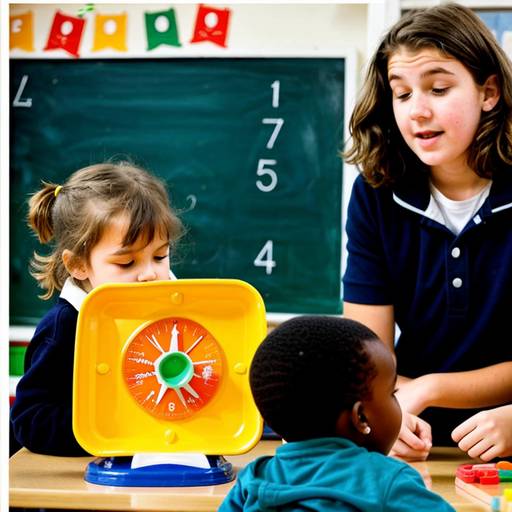
In this preschool language arts lesson, students will explore basic sentence structure through engaging activities that emphasize grammar and writing. The lesson begins with an introduction to sentence components, including subjects, verbs, and objects, using visual aids and interactive discussions.
Next, students participate in a hands-on vocabulary activity with picture cards, discussing and acting out various subjects and actions to create example sentences as a group. Following this, they will draw scenes that illustrate their understanding of sentence structure, incorporating at least one subject, one action, and one object into their artwork.
As each student shares their drawing, they will articulate sentences about their creations, fostering peer interaction and collaborative learning. The lesson concludes with a reflection on what they learned and offers the opportunity for an optional extension activity focused on sentence mixing. Assessment will be based on participation, sentence formulation, and the drawings created, ensuring that students grasp the fundamental elements of sentence structure in a fun and imaginative way.
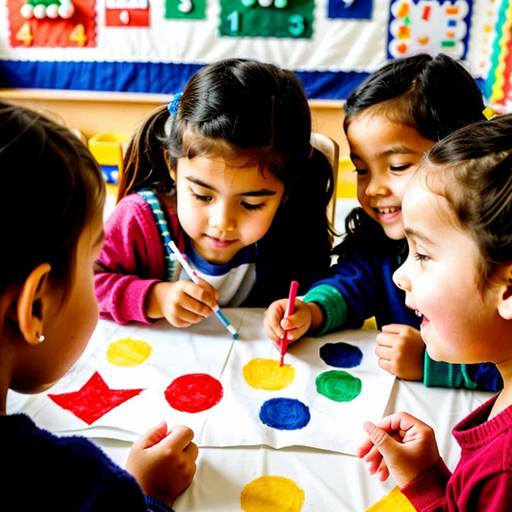
In this preschool language lesson, students will engage in activities designed to develop their fine motor skills and early writing abilities through shape tracing. The session begins with an introduction to various shapes, where students will participate in a discussion to identify and name shapes present in their environment. Following this, a demonstration of tracing techniques is provided to the class, allowing them to practice independently on tracing worksheets. Each student will have the opportunity to trace and then color the shapes, promoting creative expression. Towards the end of the lesson, students will share their completed work with peers, reinforcing their understanding of the shapes and colors used. The lesson aims to foster excitement about shapes while enhancing vocabulary and fine motor skills, with extensions available for students seeking additional engagement. Overall, the lesson not only cultivates writing readiness but also encourages sharing and collaboration among students.
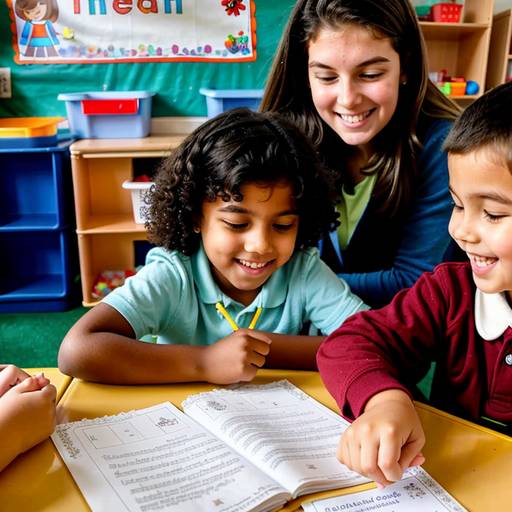
This preschool language lesson is designed to enhance children's storytelling abilities and develop early writing skills through engaging activities. It begins with a warm-up game that encourages sound recognition related to stories, followed by reading a captivating picture book to stimulate interest and discussion. Children are prompted to share their thoughts about the story, fostering comprehension and verbal expression.
Next, they participate in a collaborative storytelling activity, where each child contributes a sentence to create a unique group story, allowing for creativity and teamwork. After completing the story, children illustrate their favorite parts, reinforcing their understanding of narrative elements. They then engage in a writing readiness activity by selecting prompts to draw and write simple sentences, developing their writing skills with support as needed.
The lesson concludes with a sharing session, where children present their artwork and reflect on their experiences. The activities aim to instill a love for storytelling while promoting language development and writing readiness. Follow-up activities encourage ongoing exploration of storytelling both in the classroom and at home, helping to solidify the concepts learned. Assessment focuses on observation of participation and engagement in discussions and activities.
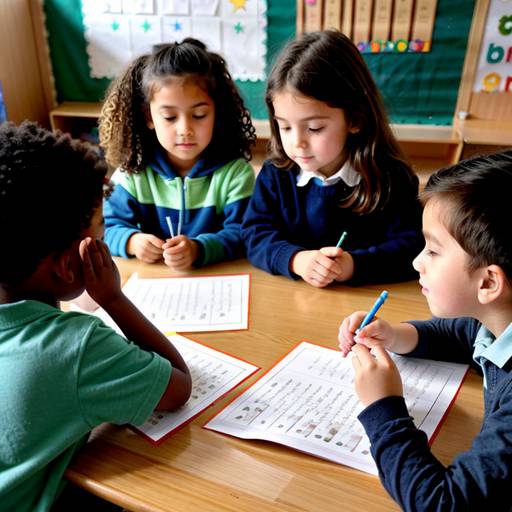
In this preschool language arts lesson, students will enhance their writing skills by creating and illustrating their own imaginary creatures. The lesson begins with a discussion about various fantastical beings, allowing children to share their thoughts on what makes these creatures interesting. Following this, students are guided through a brainstorming session to develop unique ideas for their creations.
Afterward, they engage in a drawing activity where they illustrate their creatures based on their brainstormed concepts. Students are then encouraged to add a few sentences about their creations using provided sentence starters, promoting both creative expression and emerging writing skills.
The lesson concludes with a sharing session where students present their drawings and descriptions to the class, fostering communication and confidence. The activity emphasizes creativity in writing and encourages students to express their individuality through their imaginative work. As an extension, there are opportunities to compile the students' creations into a class book or showcase their work in a "Creatures Parade" for the school community.