
Filters
Level
Grade
Subject
Subject Area
Subject Topic
Standard(s)
Audience
Keyword
DurationMinutes
Preschool Visual Arts Lesson Plans

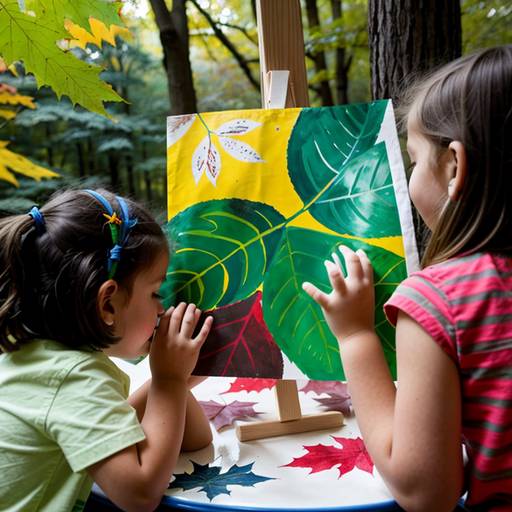
This 45-minute art lesson for preschoolers focuses on exploring the beauty of nature through leaf printing. Children will engage in a discussion about leaves, their colors, and where they can be found, using visual aids like nature books to enhance understanding. After a demonstration on how to paint leaves and create prints, students will participate in a hands-on activity where they will paint and print various leaves on large sheets of construction paper. The lesson encourages creativity and experimentation with colors and shapes while developing fine motor skills. Following the art activity, students will assist in clean-up and have the opportunity to share their creations with peers, fostering communication and a sense of community. The lesson may also include an extension activity involving a nature walk to collect leaves for future projects, further connecting the art experience to the outdoors.
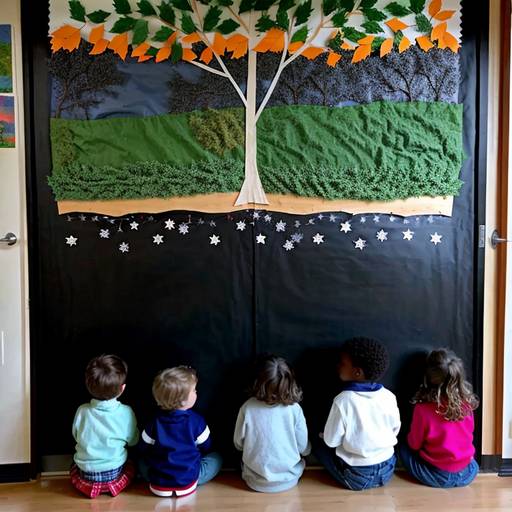
In this preschool art lesson, children will explore the themes of nature and the seasons through visual arts. The session begins with a brief discussion about the four seasons, encouraging students to share their observations and feelings related to each season. After an engaging story or poem highlighting seasonal elements, students will be divided into groups, each focusing on a specific season. Using construction paper and natural materials relevant to their assigned season, they will collaboratively create seasonal representations. Following this group activity, each child will have the chance to create their individual artwork inspired by their favorite season, utilizing various art supplies such as watercolors, crayons, and markers. At the end of the session, students will share their creations with the group, reflecting on their inspirations and experiences throughout the lesson. The session concludes with a clean-up, fostering a sense of responsibility for their learning environment. Assessment will focus on collaboration, creativity, and engagement during discussions and activities, rather than artistic skill. Possible extensions include nature walks for collecting materials and integrating scientific discussions about seasonal changes in the environment.
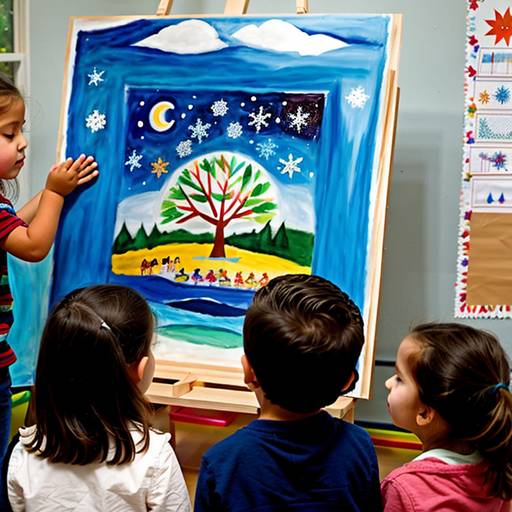
In this preschool art lesson, children will engage in a creative exploration of nature and the changing seasons. The lesson begins with an introduction to the four seasons, supported by visual aids and a seasonal storybook to pique their interest. After a brief discussion, students venture outside for a nature walk, where they collect safe and natural materials that represent their experiences of the current season.
Back in the classroom, each child creates a seasonal collage using the items they've gathered, enhancing their artwork with crayons and watercolor paints. The activity fosters fine motor skills and encourages imaginative expression. Once the artwork is complete, students share their creations with the group, discussing the materials used and the season they represent. The lesson concludes with a clean-up activity, promoting teamwork and responsibility. Overall, this lesson helps children connect with nature, express their creativity, and develop social skills through sharing and reflecting on their work. Extension activities, such as creating an art display, reinforce the themes introduced during the lesson.
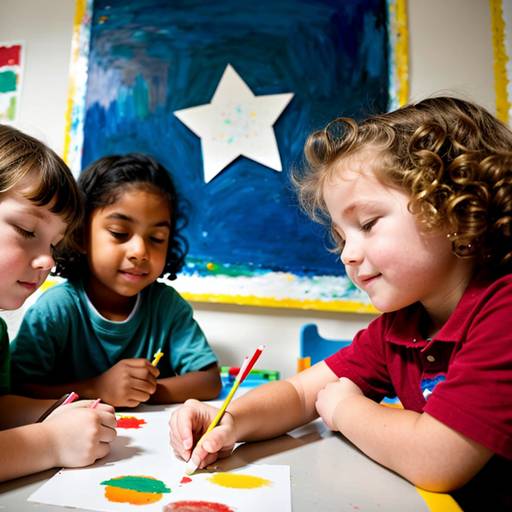
In this preschool art lesson, children will explore the concepts of texture and patterns through hands-on activities. The session begins with a brief introduction to texture, prompting students to describe various materials by touch. Following this, they engage in a texture scavenger hunt around the classroom, where they collect and identify different textured items. After regrouping to discuss their findings, the children create individual art pieces by gluing selected textured materials onto construction paper, incorporating patterns as they work. They will then decorate their artworks with stamps and drawings. The lesson concludes with a sharing session, where each child presents their creation and reflects on the textures and patterns they used. This interactive experience not only fosters creativity but also develops sensory awareness and appreciation for visual arts.
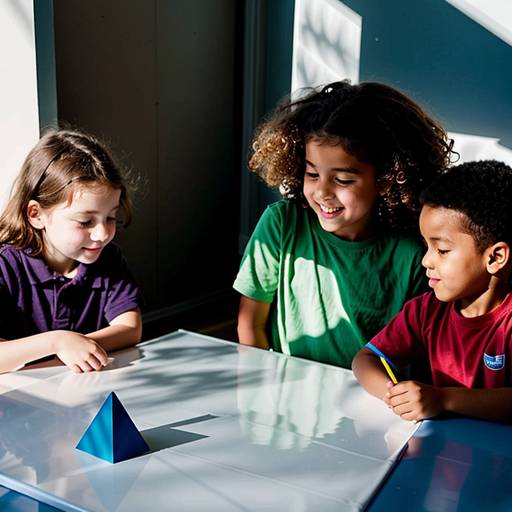
In this preschool art lesson, students will explore the concepts of shapes and shadows through hands-on activities that encourage creativity and critical thinking. The session begins with a discussion on shapes and shadows, allowing children to share their observations and experiences. They will then engage in an activity where they create unique shape cutouts using colored materials, promoting fine motor skills and artistic expression.
Following the creation of their shapes, students will experiment with light sources to observe how their shapes cast different shadows, fostering an understanding of light, dark contrasts, and spatial relationships. The group will reconvene to share their creations and reflections, discussing the changes they observed in their shadow art. An optional storytelling activity using shadow puppets will further enhance their imaginative skills and encourage collaboration.
Throughout the session, teachers will assess student engagement and understanding through observations and discussions. Extensions and adaptations are provided to cater to different learning needs and to further enhance the students’ exploration of shadows in future activities.
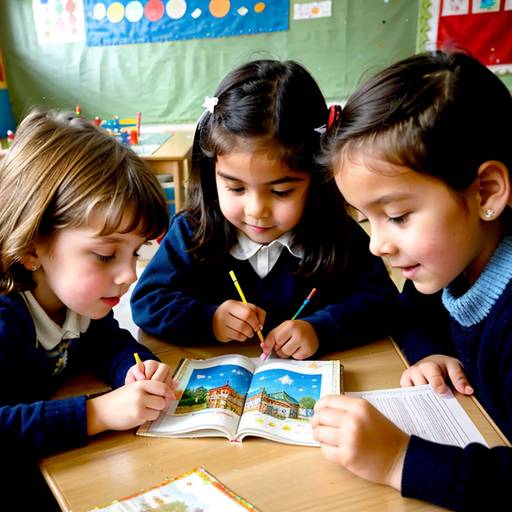
This lesson plan is designed for preschoolers, aiming to integrate art and literacy by exploring storytelling through engaging activities. It begins with a group reading of a selected storybook, stimulating imagination and encouraging discussion about characters and events. Following the reading, children are introduced to an art project where they illustrate their favorite scenes or create their own story continuations using various materials, such as crayons, watercolors, and fabric scraps.
Throughout the art creation process, the teacher circulates to provide guidance and foster conversation about the children’s choices and artistic expressions. After completing their illustrations, students gather in a circle to share their artwork and thoughts, promoting social interaction and communication skills. The lesson wraps up with a group song or a brief discussion about the importance of storytelling and art.
Assessment focuses on participation, creativity, and the ability to express ideas, while extensions encourage ongoing literacy and artistic exploration. This approach effectively integrates multiple curriculum areas—literacy, art, and social skills—while allowing children to develop fine motor abilities and boost their imagination.
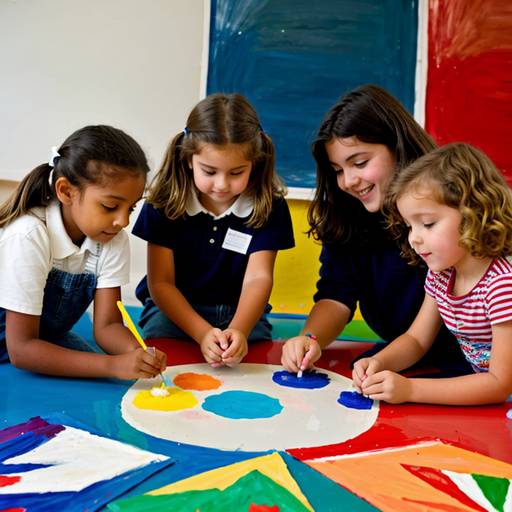
In this preschool art exploration lesson, students will engage in hands-on activities that promote creativity and understanding of colors and shapes. The lesson begins with an introduction to various colors and shapes, encouraging children to identify and discuss them. They will then participate in a color mixing activity using watercolor paints, where they will experiment with blending colors and creating new hues on paper. Following this, students will use crayons and colored construction paper to trace, cut out, and decorate geometric shapes, assembling these into a collaborative collage.
Throughout the activities, children will be encouraged to express themselves, share their creations, and reflect on their artistic choices, fostering both verbal communication and fine motor skills. The lesson concludes with a group discussion about their experiences, reinforcing their learning and appreciation for art. Cleanup procedures will also be included to instill responsibility and organization. Overall, this lesson aims to cultivate an environment of creativity and self-expression while providing practical experience with art techniques.