
Filters
Level
Grade
Subject
Subject Area
Subject Topic
Standard(s)
Audience
Keyword
DurationMinutes
Kindergarten Maps Lesson Plans

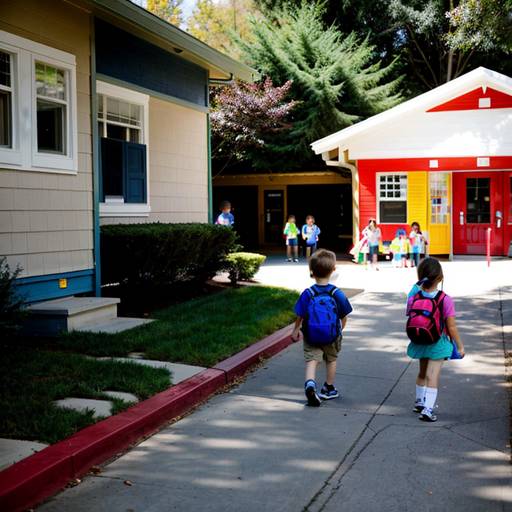
In this Kindergarten social studies lesson, students will explore the concepts of geography and maps by focusing on their own neighborhoods. The lesson begins with an interactive discussion about maps, using a simple map of the local area to introduce key elements such as landmarks and directions. A read-aloud story incorporating a map will help engage students and frame the discussion about travel and exploration.
Students will then participate in a neighborhood exploration, identifying and discussing important places in their community, such as parks, schools, and libraries. Following this, they will create their own simple maps using templates, representing significant landmarks that they drew from their discussions. They will use symbols and labels to convey meaning and share their maps with the class, highlighting one landmark and explaining its importance to them.
The lesson will culminate with a reflection on what they learned about maps and neighborhoods. Assessment will be based on students' participation in discussions and the completion of their maps, providing insight into their understanding of key geographic concepts. Additionally, opportunities for extending the lesson include creating treasure maps at home and introducing digital mapping tools in future activities. Overall, this lesson not only teaches geography but also fosters a sense of community and belonging among students.
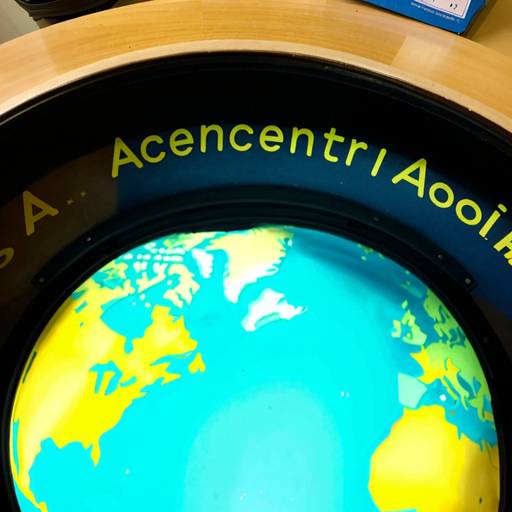
In this kindergarten social studies lesson, students will explore the concepts of maps and geography. The class will begin with a discussion about maps, focusing on their purpose and key features such as titles, symbols, legends, and directions. Using a large world map and a local neighborhood map, students will learn to identify and interpret various map elements.
During guided practice, students will work in small groups to create a simple map of their classroom, incorporating important features and symbols. Following this, each student will individually draw a personal map of their home or bedroom, labeling significant items and using symbols as needed.
To conclude the session, students will share their maps with the class, fostering a sense of community and reinforcing their understanding of map features. Throughout the lesson, the instructor will assess student engagement and comprehension, ensuring a grasp of the mapping concepts introduced. The lesson may also include extensions, such as introducing digital maps or organizing a "Map Walk" to further solidify the students' understanding of mapping in real-world contexts.