
Filters
Level
Grade
Subject
Subject Area
Subject Topic
Standard(s)
Audience
Keyword
DurationMinutes
Kindergarten Social Studies Lesson Plans


In this kindergarten social studies lesson, students will explore the concept of community and the significance of rules in fostering a safe and harmonious environment. The lesson begins with a read-aloud of a picture book highlighting different community helpers and their responsibilities. Through guided discussion, students will identify elements of their community and discuss the importance of rules in promoting respect and safety among its members.
Next, students will collaboratively brainstorm a list of community rules and engage in a group activity where they create posters representing various community helpers and the essential rules they follow. The lesson concludes with group presentations, allowing students to share their findings and reinforce the importance of understanding roles and rules in their community. Assessment will focus on student participation and the creativity of their group work. Opportunities for extension include field trips to meet community helpers and creating a classroom rules pledge, further deepening students' understanding of community engagement and responsibility.
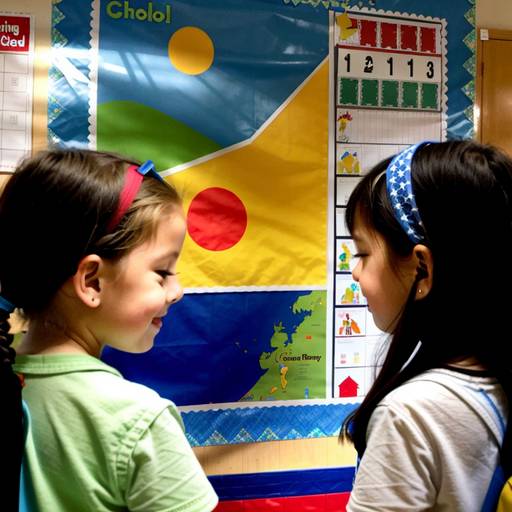
In this Kindergarten social studies lesson, students will explore the concept of maps and their significance in understanding geography. The lesson begins with an introduction to maps using a world map and globe, where students discuss their familiarity with maps and their uses. Different types of maps, such as neighborhood and park maps, will be showcased, highlighting features like symbols and legends.
Students will engage in a story that involves navigation and maps, reinforcing the lesson's theme. The core activity involves each student creating their own map of either their classroom or a part of their neighborhood, incorporating important features and imaginative symbols. They will have the opportunity to share their creations with peers, fostering a collaborative environment.
The lesson will conclude with a recap of the key concepts learned, encouraging students to think about other contexts where maps can be useful. Assessment will be based on observations during the map-making activity and participation in discussions. Extensions may include planning a field trip and incorporating basic compass directions to deepen their understanding of navigation. Overall, this lesson promotes creativity, spatial awareness, and teamwork while providing foundational knowledge of geography and mapping.
In this Kindergarten social studies lesson, students will explore the concepts of geography and maps by focusing on their own neighborhoods. The lesson begins with an interactive discussion about maps, using a simple map of the local area to introduce key elements such as landmarks and directions. A read-aloud story incorporating a map will help engage students and frame the discussion about travel and exploration.
Students will then participate in a neighborhood exploration, identifying and discussing important places in their community, such as parks, schools, and libraries. Following this, they will create their own simple maps using templates, representing significant landmarks that they drew from their discussions. They will use symbols and labels to convey meaning and share their maps with the class, highlighting one landmark and explaining its importance to them.
The lesson will culminate with a reflection on what they learned about maps and neighborhoods. Assessment will be based on students' participation in discussions and the completion of their maps, providing insight into their understanding of key geographic concepts. Additionally, opportunities for extending the lesson include creating treasure maps at home and introducing digital mapping tools in future activities. Overall, this lesson not only teaches geography but also fosters a sense of community and belonging among students.
In this kindergarten social studies lesson, students will explore the concept of community and the roles of community helpers while understanding the importance of rules that guide their actions. The lesson begins with a discussion about what a community is, followed by an engaging read-aloud of a picture book about community helpers. Students will participate in a collaborative charting activity to identify various community helpers and their roles.
Next, they will express their creativity by drawing their favorite community helper, which will be shared and displayed in the classroom. The lesson also introduces essential community rules, as students are prompted to think about the rules that community helpers follow and those they should observe in their own lives. The session concludes with students sharing their insights and what they’ve learned, reinforcing the shared responsibility of keeping their community safe and enjoyable. Assessment will be based on participation, understanding demonstrated in drawings, and engagement with the community rules discussion. Extension activities include potential field trips and guest speakers to deepen their connection with community services.
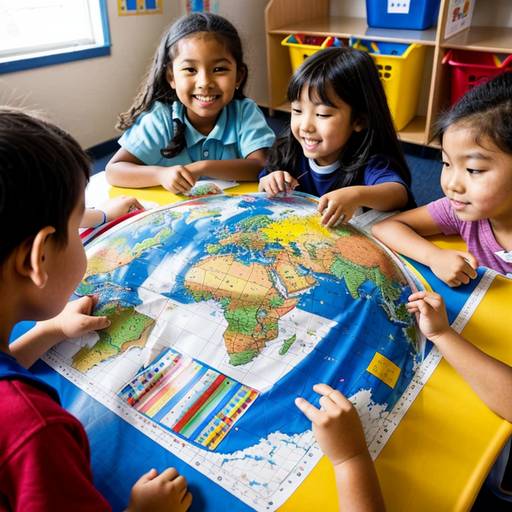
In this Kindergarten social studies lesson, students will explore basic geography concepts and map skills through engaging activities. The lesson begins with a lively discussion about maps, encouraging students to share their experiences and understanding. A read-aloud book introduces them to the idea of mapping personal and global spaces.
Direct instruction focuses on key map features such as the compass rose and different types of maps, including world and local maps. Students will then participate in a guided group activity where they create a simple map of their classroom or playground, demonstrating collaboration and creativity.
Following this, they will individually draw maps of their homes or favorite places, incorporating essential elements like landmarks and the compass rose. The lesson concludes with a class discussion where students have the opportunity to share and reflect on what they learned. Throughout the session, assessments will be made through observation and reviewing students' completed maps, ensuring all learners are supported and challenged accordingly. Extensions and differentiation strategies are also provided to enhance engagement and accommodate varying learning needs.
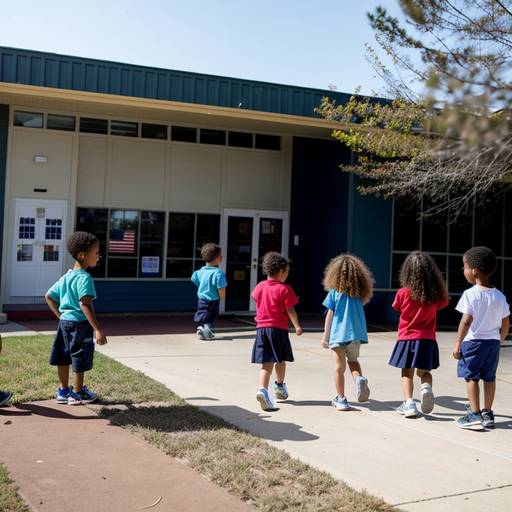
This lesson plan introduces kindergarten students to the concepts of community and the importance of rules. It begins with a discussion about what a community is and the various community helpers, such as police officers and firefighters, highlighting their roles. A read-aloud of a selected picture book reinforces these ideas, fostering engagement and comprehension through questions about the story.
Following this, students explore the significance of rules, discussing why they are essential for safety and kindness. Together, they brainstorm and create classroom rules, illustrated through drawings or pre-made visuals. An interactive role-play activity allows students to dress up as community helpers, practicing the rules associated with their roles.
The lesson concludes with a circle discussion to review key concepts. Assessment includes observing student participation and sharing individualized drawings of their favorite community helpers. Opportunities for extensions include inviting a community helper to the classroom for a Q&A session and organizing a community walk. Overall, the lesson emphasizes engagement, collaboration, and hands-on learning to reinforce students' understanding of their community and the rules that keep it safe.

This Kindergarten social studies lesson focuses on helping students understand their community and the importance of rules in maintaining safety and cooperation. It begins with a class discussion to identify elements of their community and introduces various community helpers, such as firefighters and police officers.
Students will work in small groups to match community helpers with appropriate rules that support their roles, promoting teamwork and critical thinking. After sharing their findings with the class, the students will collaboratively create a community map, illustrating places, community helpers, and rules that apply to each area.
The lesson concludes with a reflection discussion about the significance of rules in the community, reinforcing collaborative learning and respect for others. Assessment will be based on participation in discussions and contributions to the community map. Optional extension activities allow for further exploration of community helpers through individual writing or drawing projects. Differentiation strategies are included to support all learners.
In this kindergarten social studies lesson, students will explore the concepts of maps and geography. The class will begin with a discussion about maps, focusing on their purpose and key features such as titles, symbols, legends, and directions. Using a large world map and a local neighborhood map, students will learn to identify and interpret various map elements.
During guided practice, students will work in small groups to create a simple map of their classroom, incorporating important features and symbols. Following this, each student will individually draw a personal map of their home or bedroom, labeling significant items and using symbols as needed.
To conclude the session, students will share their maps with the class, fostering a sense of community and reinforcing their understanding of map features. Throughout the lesson, the instructor will assess student engagement and comprehension, ensuring a grasp of the mapping concepts introduced. The lesson may also include extensions, such as introducing digital maps or organizing a "Map Walk" to further solidify the students' understanding of mapping in real-world contexts.