
Filters
Level
Grade
Subject
Subject Area
Subject Topic
Standard(s)
Audience
Keyword
DurationMinutes
Kindergarten Life Science Lesson Plans


This Kindergarten science lesson focuses on life science and animals, allowing students to explore various types of animals, including mammals, birds, reptiles, amphibians, and fish. The lesson begins with a circle time discussion where students share their favorite animals, fostering engagement and excitement. Following this, the class participates in a shared reading of a children's story that highlights different animals, encouraging interaction and comprehension.
Students then engage in hands-on activities, including categorizing animal picture cards into appropriate groups, which helps develop their classification skills. Next, they create their own animal art using various craft supplies, promoting creativity and personal expression. The lesson culminates with a collaborative project where students contribute their artwork to a large mural, reinforcing the connection between art and the scientific concepts discussed.
Throughout the lesson, students are assessed based on their participation and understanding, with opportunities for follow-up activities to deepen their knowledge of animals and their habitats. This interactive approach fosters curiosity and a foundational understanding of life science in an engaging and age-appropriate manner.

This Kindergarten lesson plan focuses on introducing students to various types of animals within the realm of life science. Over the course of 60 minutes, students will explore different animal classifications—mammals, birds, reptiles, amphibians, and fish—by observing picture cards and engaging in discussions about their characteristics and habitats. The lesson includes a classification activity where students learn to identify animals by their traits, followed by a discussion on where different animals live.
Students will participate in a hands-on craft activity, creating models of their favorite animals, which reinforces their understanding of animal types. Additionally, they will collaboratively create a mural that illustrates various animal habitats, promoting teamwork and creativity. The lesson concludes with a recap and an interactive guessing game, enhancing their listening skills. Assessments include participation in discussions, craftsmanship, and contributions to group activities. Opportunities for extensions and feedback are also integrated to enrich the learning experience.

In this Kindergarten science lesson, students explore the concept of animal habitats and their importance in the lives of various animals. The lesson begins with a discussion about what habitats are and why they are essential for animals. After a read-aloud session featuring a picture book about animals and their homes, students engage in an interactive discussion that connects different animals to their respective habitats.
To reinforce their understanding, students then participate in a hands-on activity where they create dioramas representing a chosen habitat, incorporating at least two animals that belong there. This creative project allows them to express their knowledge visually while practicing fine motor skills. As a culmination of the lesson, students share their dioramas with the class and discuss their creations, facilitating peer interaction and reinforcing their learning. The lesson is designed to foster curiosity about the natural world while developing observation and communication skills. Adaptations and extensions are included to accommodate different learning styles and promote further exploration.
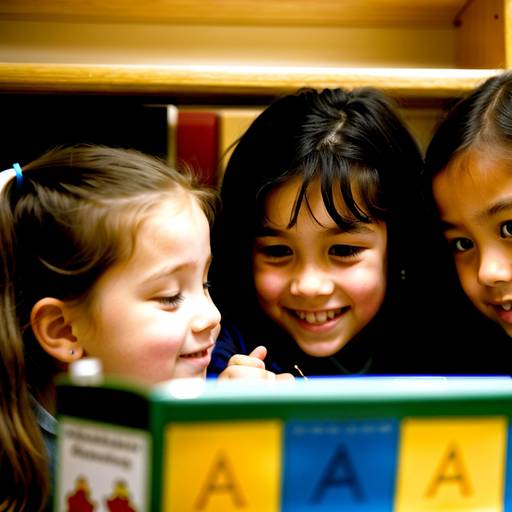
In this kindergarten science lesson, students will explore the basic needs of animals, focusing on how these needs vary across different species. The class will begin with an interactive discussion, where students identify animals and share their thoughts on what those animals require to survive, such as food, water, and shelter. Through a mini-lecture, they will learn about the specific needs of various animals while viewing images that depict these needs in their natural habitats.
Students will engage in a hands-on activity by completing an Animal Needs Worksheet to match animals with their necessities. Following this, they will express their creativity by crafting their own imaginary animal and its environment, highlighting how it meets its needs. The lesson will conclude with a group reflection on the importance of meeting these needs and a storytime session to reinforce the concepts learned. Teachers will assess understanding through observation and review of students' worksheets and craft projects. Extension activities may include a nature walk for real-world observations and showcasing student creations in the classroom.
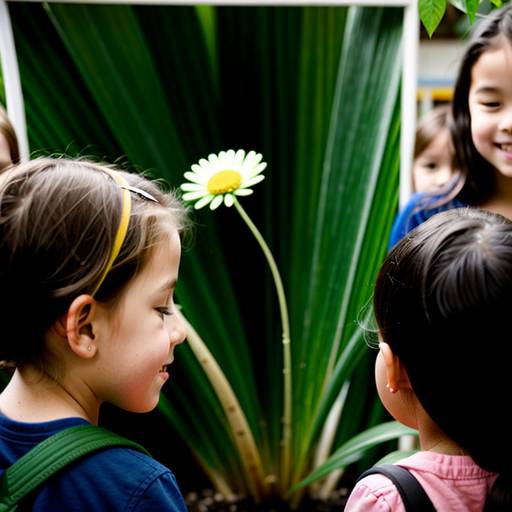
In this kindergarten life science lesson, students will explore the world of plants, focusing on their basic needs and parts. The lesson begins with a read-aloud of a picture book about plants, prompting discussion about what plants require to grow. Educators will teach students about the essential parts of a plant—roots, stems, leaves, flowers, and seeds—using visual aids to enhance understanding.
Following the introduction, students will participate in a hands-on activity where they plant seeds in pots, learning about soil, water, and sunlight requirements. Each group will decorate their pots and discuss what they planted and one fact they learned about plants. The lesson concludes with a classroom growth chart where students can track their plants' progress over the coming weeks.
Assessment will be based on student participation in discussions and their ability to identify plant parts and needs. To extend learning, students may keep science journals to document their plants’ growth. Overall, this lesson aims to foster curiosity about plants and their life cycles while encouraging hands-on interaction and teamwork.
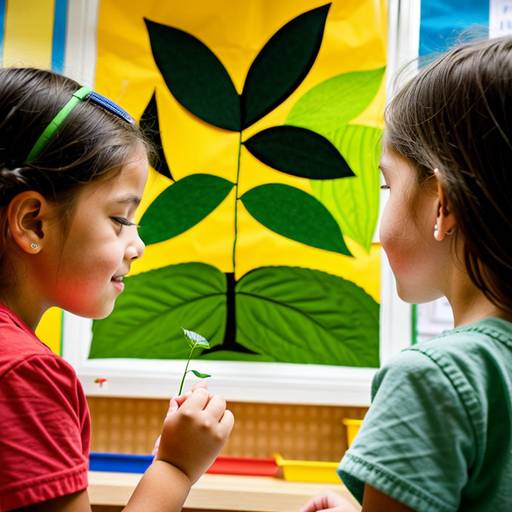
In this Kindergarten science lesson, students will explore the various parts of a plant, including roots, stems, leaves, and flowers, and learn about their functions. The lesson begins with an interactive discussion about the importance of plants in our environment, followed by direct instruction using diagrams to explain each plant part's role. Students will then engage in hands-on exploration with live plants, observing and identifying the different parts in small groups. To reinforce their learning, they will create drawings of a plant, labeling its components. Finally, students will share their observations and insights, enhancing their understanding of life science and the significance of plants in our ecosystem. Assessments will include observations during group activities and reviewing their drawings. Extensions may involve nature walks or starting a class garden to observe plant growth over time, while adaptations will cater to different learning styles to ensure all students are supported.
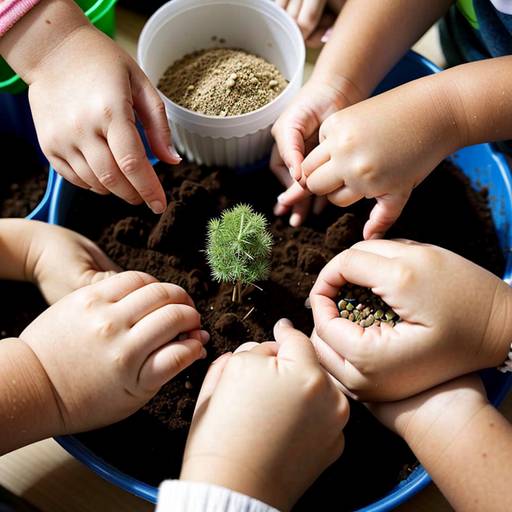
In this Kindergarten science lesson, students will embark on an exploration of seeds and plant growth. They will begin by engaging with a read-aloud story about plants, followed by a discussion on what plants need to thrive. Next, students will focus on observing various seeds, comparing their characteristics using magnifying glasses, and learning to identify the main parts of a seed.
Afterward, students will participate in hands-on activities where they will plant seeds in cups using potting soil, applying the knowledge gained about planting techniques and the importance of watering. They will also create labels for their plants and start growth journals where they will draw their seeds and make predictions about the growth process.
The lesson will culminate in a review of key concepts learned, allowing students to share their observations and predictions with peers. Assessment will be based on participation, journal entries, and ongoing plant observations. Extension activities will provide further engagement through field trips and creative projects related to plants and their life cycles. This approach fosters a comprehensive understanding of plant life and growth in an interactive and enjoyable manner.
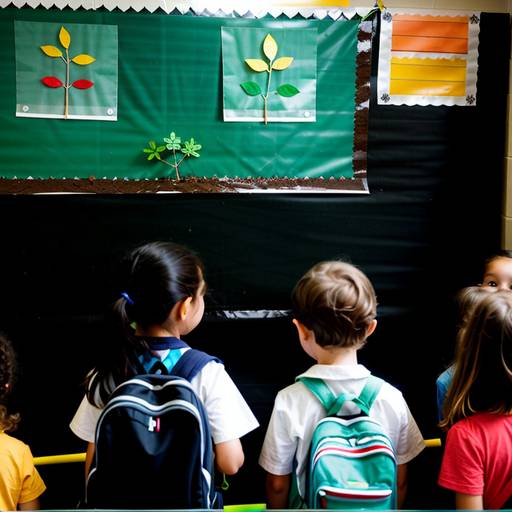
In this Kindergarten science lesson, students will explore the world of plants, focusing on their basic parts and growth requirements. The lesson begins with an engaging story or video to spark interest, followed by a discussion where students share what they know about plants. Through direct instruction, they will learn to identify and understand the roles of roots, stems, leaves, and flowers, using pictures and real plants for demonstration.
Students will then participate in a hands-on planting activity, where they will plant bean seeds in cups with soil while learning about the importance of water and sunlight for growth. Following the planting, they will observe the parts of real plants with magnifying glasses and draw their observations.
The lesson wraps up with a recap where students share their learnings, reinforced by a creative coloring activity. Assessment will be based on student participation and their creative work. Extensions may include maintaining a plant journal and reading a relevant story to further enhance their understanding. Adaptations will be provided for students needing additional support, ensuring inclusivity. Overall, the lesson encourages curiosity and fosters a foundational understanding of life science centered around plants.