
Filters
Level
Grade
Subject
Subject Area
Subject Topic
Standard(s)
Audience
Keyword
DurationMinutes
Kindergarten Rhythm Lesson Plans

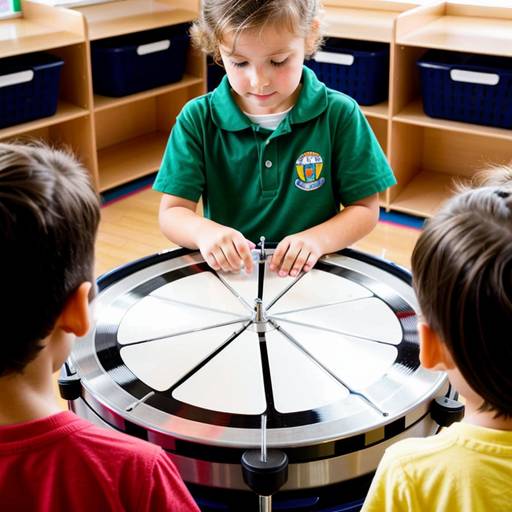
In this kindergarten music lesson, students will explore the concept of rhythm through engaging activities that emphasize body percussion and instrument play. The lesson begins with an introduction to rhythm, explaining the importance of beat and pulse in music. Students will participate in a body percussion warm-up that encourages them to create and combine various sounds using their bodies. Following this, they will explore hand-held instruments like drums, shakers, and claves, learning to imitate simple rhythmic patterns while being introduced to basic rhythmic terms such as quarter and eighth notes.
Students will then work in small groups to create their own short rhythm patterns, which they will perform for the class. This collaborative activity fosters creativity and teamwork as they experience making music together. The lesson concludes with a group performance, allowing all students to play their instruments in unison, reinforcing the feeling of musical unity. Throughout the lesson, the teacher will assess participation and understanding, providing feedback to encourage growth. Extensions may include exploring rhythms from various cultures or creating a classroom display to showcase favorite rhythms learned.

In this Kindergarten music lesson, students will explore basic music theory concepts related to rhythm and note values through engaging activities. The lesson begins with a warm-up greeting song to foster excitement for music and an introduction to the significance of rhythm. Students will learn about different note values, such as quarter notes, eighth notes, and half notes, using clapping and body percussion for practice.
They will then participate in a group activity where small teams create and present their own rhythmic patterns through movement and sound. To further enhance their understanding, students will engage in a fun rhythm dice game, allowing them to make creative interpretations of various rhythms.
The lesson concludes with a reflection discussion where students share their insights on rhythm and its emotional impact, followed by a farewell song incorporating what they've learned. Throughout the session, teachers will continuously assess student participation and understanding, adapting practices to meet diverse learning needs. The focus remains on creating an enjoyable and collaborative musical experience.