
Filters
Level
Grade
Subject
Subject Area
Subject Topic
Standard(s)
Audience
Keyword
DurationMinutes
Kindergarten Length Lesson Plans

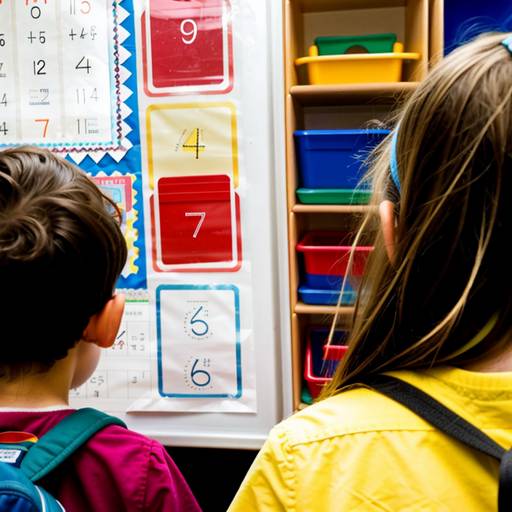
In this Kindergarten math lesson, students will engage in activities focused on measurement and length using non-standard units such as paper clips and blocks. The lesson begins with a discussion on measurement, introducing key vocabulary like "length," "longer," "shorter," and "equal." Through demonstrations, students will learn how to measure various classroom objects and compare their lengths.
Groups will participate in hands-on measurement activities, selecting multiple objects to measure and recording their findings collaboratively on large paper. As they explore the classroom for additional items to measure independently, they will document their favorite measurements on sticky notes.
The class will conclude with a review of what was learned, allowing students to share their experiences and measurements. Assessment will involve observation during group work and the collection of individual recordings to gauge understanding. Extensions may include introducing rulers for advanced learners. Ultimately, the lesson fosters exploration and comprehension of the concept of length in an engaging manner.
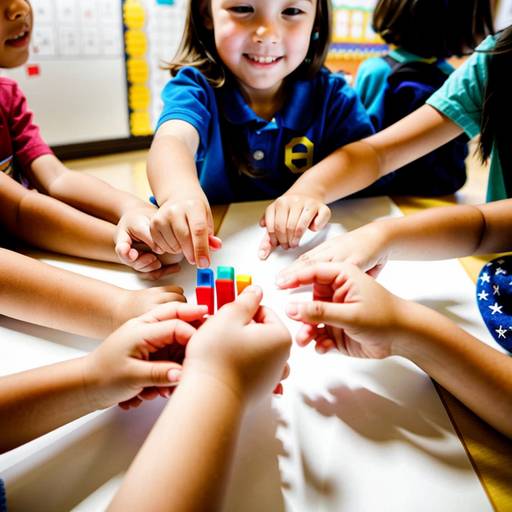
In this kindergarten math lesson, students will explore the concept of measurement and length through engaging and interactive activities. The lesson begins with a discussion on what measurement means, focusing on the comparison of lengths, using everyday classroom items as examples. The teacher will demonstrate how to measure objects using non-standard units, such as Unifix cubes or paper clips.
Students will then work in small groups to measure assigned items, record their findings, and determine which items are longest and shortest. Each group will share their measurements and observations with the class, fostering communication and presentation skills. The lesson concludes with a review of key vocabulary and a reflection on the practical applications of measurement in students' lives. Overall, the lesson emphasizes hands-on learning and encourages collaboration while laying the groundwork for future mathematical concepts.