
Filters
Level
Grade
Subject
Subject Area
Subject Topic
Standard(s)
Audience
Keyword
DurationMinutes
Kindergarten Measurement Lesson Plans

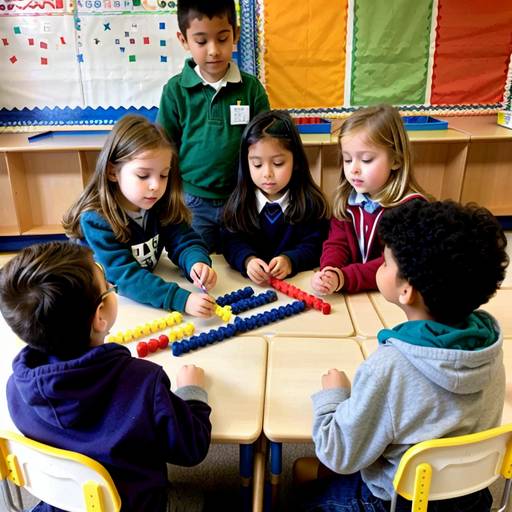
In this kindergarten math lesson, students are introduced to the concepts of measurement and time through engaging, hands-on activities. The lesson begins with a discussion on measurement, where students estimate the lengths of classroom objects and measure them using pieces of yarn as non-standard units. In pairs, they record their findings and share results with the class, fostering teamwork and communication skills.
Next, the lesson transitions to telling time. Students learn about the parts of a clock using a large analog clock and a digital clock poster. They create their own paper plate clocks, labeling the hours and practicing moving the hands to represent different times called out by the teacher.
The lesson concludes with a review of key concepts and a reflection segment where students share their learning experiences. An interactive song reinforces the material, ensuring that students understand both measurement and time by the end of the lesson. Assessment occurs through observation during activities and by checking their understanding of time on their crafted clocks. Extensions for advanced learners involve exploring basic weight concepts. Overall, the lesson provides a fun and interactive way for kindergarteners to grasp foundational math skills.
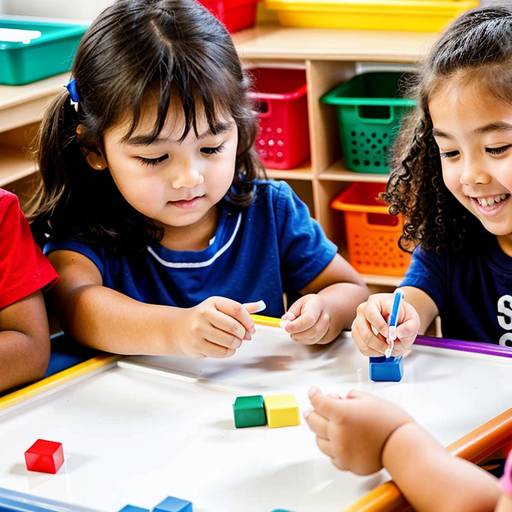
This Kindergarten math lesson focuses on measurement and weight, allowing students to explore and compare the weights of various objects through a hands-on approach. The lesson begins with an interactive discussion about weight, introducing key vocabulary such as heavy, light, balance, and scale. Students are then divided into small groups, each provided with balance scales and an assortment of classroom objects to weigh. As they experiment, they predict and observe which items are lighter or heavier, using the vocabulary to describe their findings.
Following the group activity, the class engages in a sharing session where each group presents their observations, reinforcing the concept of balance and providing a platform for discussion about their discoveries. The lesson wraps up with a reflective conversation and a fun chant to reinforce the vocabulary learned. Assessment is based on student participation, engagement, and the accuracy of their recorded observations. An optional extension activity encourages further exploration with a "Weight Hunt," where students classify additional items as heavy or light. Overall, the lesson aims to build foundational skills in measurement and weight through active participation and collaborative learning.
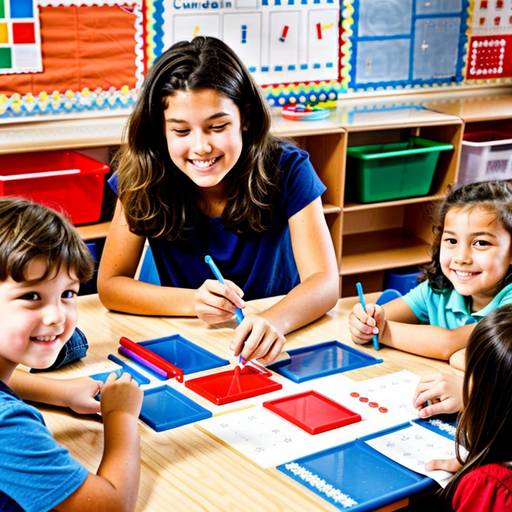
In this kindergarten math lesson, students will explore the concepts of measurement and time through interactive activities. The lesson begins with a storytelling session that introduces measurement and time in relatable contexts. Students will then work in small groups to measure various classroom objects using non-standard units like paper clips, encouraging collaboration and hands-on learning. Following the measurement activity, they will practice telling time using printable clock faces, experimenting with hour and half-hour increments.
The lesson concludes with a group discussion where students share their findings and reflect on what they learned. An extension activity will involve students measuring items at home and drawing a clock to represent a specific time related to their daily routines. Through this engaging approach, students will gain foundational skills in measuring length and understanding time concepts.
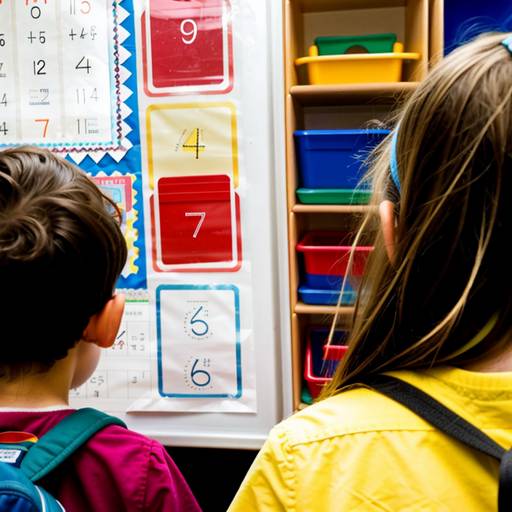
In this Kindergarten math lesson, students will engage in activities focused on measurement and length using non-standard units such as paper clips and blocks. The lesson begins with a discussion on measurement, introducing key vocabulary like "length," "longer," "shorter," and "equal." Through demonstrations, students will learn how to measure various classroom objects and compare their lengths.
Groups will participate in hands-on measurement activities, selecting multiple objects to measure and recording their findings collaboratively on large paper. As they explore the classroom for additional items to measure independently, they will document their favorite measurements on sticky notes.
The class will conclude with a review of what was learned, allowing students to share their experiences and measurements. Assessment will involve observation during group work and the collection of individual recordings to gauge understanding. Extensions may include introducing rulers for advanced learners. Ultimately, the lesson fosters exploration and comprehension of the concept of length in an engaging manner.
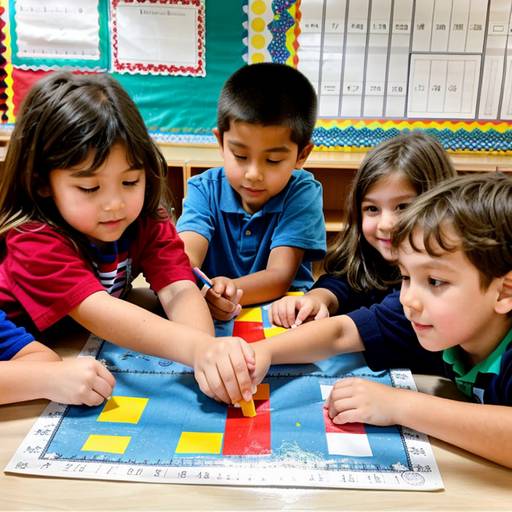
In this Kindergarten math lesson, students will explore the concept of length through hands-on activities involving measurement. The lesson begins with a discussion of measurement tools and relevant vocabulary, such as longer, shorter, and same length. After a demonstration comparing two classroom objects, students will work in small groups to measure various items using unifix cubes or blocks, counting the number of blocks used for each object. Following this guided practice, students will select an additional object to measure individually and document their findings on a provided recording sheet. The lesson concludes with a group discussion where students share their measurements and reflect on their learning. Throughout the lesson, students will develop their understanding of length, practice measurement skills, and strengthen their vocabulary related to measurement concepts. Assessment will be conducted through observation during activities and the review of students' measurement recordings. Extensions for advanced learners will provide additional challenges to further enhance their understanding.
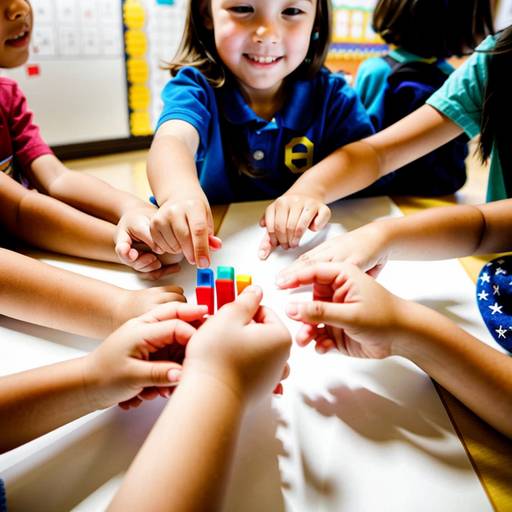
In this kindergarten math lesson, students will explore the concept of measurement and length through engaging and interactive activities. The lesson begins with a discussion on what measurement means, focusing on the comparison of lengths, using everyday classroom items as examples. The teacher will demonstrate how to measure objects using non-standard units, such as Unifix cubes or paper clips.
Students will then work in small groups to measure assigned items, record their findings, and determine which items are longest and shortest. Each group will share their measurements and observations with the class, fostering communication and presentation skills. The lesson concludes with a review of key vocabulary and a reflection on the practical applications of measurement in students' lives. Overall, the lesson emphasizes hands-on learning and encourages collaboration while laying the groundwork for future mathematical concepts.
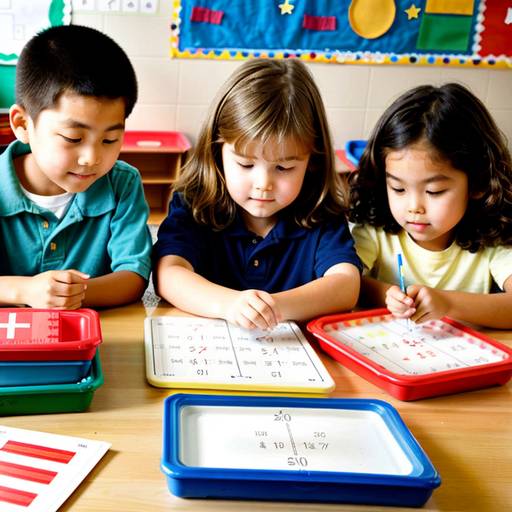
In this kindergarten math lesson, students will explore the concepts of measurement and weight through engaging hands-on activities. The lesson begins with an introduction to the vocabulary terms "light," "heavy," and "balance," accompanied by a demonstration using a balance scale. Students will then work in small groups to weigh various objects, discussing their findings and identifying which items are light or heavy. A class comparison chart will be created to visualize their observations, fostering collaboration and discussion. Following this, students will complete a worksheet where they draw and label one light and one heavy object they explored during the activity. The lesson concludes with a wrap-up discussion to reinforce concepts and vocabulary, providing a comprehensive and interactive learning experience that encourages observation and critical thinking.
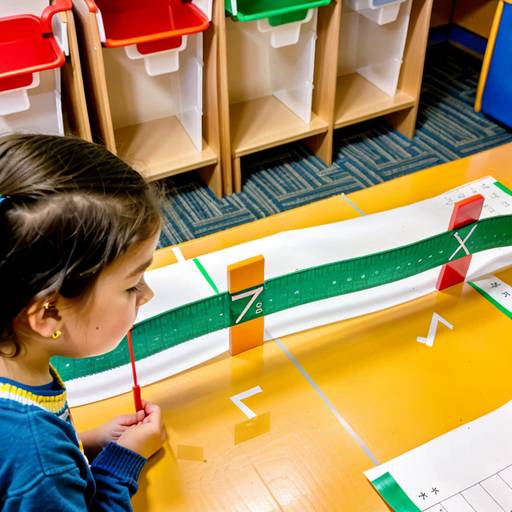
In this kindergarten math lesson, students will explore the concept of length and measurement through hands-on activities and group collaboration. The lesson begins with a discussion about length, encouraging students to use vocabulary words such as "longer," "shorter," and "equal length." They will learn to measure everyday objects using non-standard units, such as unifix cubes, by selecting items, measuring their lengths, and recording their findings.
Throughout the activity, students will work in small groups to measure various objects, compare their lengths, and present their results to the class. This collaborative approach fosters communication and reinforces their understanding of comparing lengths. The lesson concludes with a guided practice session using a comparison worksheet, allowing students to apply what they've learned. Assessment will be based on participation in group discussions and the accuracy of completed worksheets. Additionally, differentiation strategies will be included to support diverse learning needs. Overall, the lesson aims to engage students in interactive learning experiences while developing foundational measurement skills.
In this Kindergarten mathematics lesson, students will explore the concepts of measurement and time. The lesson begins with an introductory discussion about what measuring means and the importance of time in our daily lives. Students are then divided into small groups to engage in a hands-on activity where they use non-standard measurement tools, such as blocks and paper clips, to measure various classroom objects, fostering collaboration and critical thinking.
Following this, the class reconvenes for a group discussion, allowing students to share their findings while introducing vocabulary related to measurement. The next activity focuses on telling time, where students interact with a large paper clock to learn about the hour hand and the minute hand. They practice reading the time on an analog clock through worksheets that reinforce their understanding.
The lesson concludes with a review of both measurement and time, encouraging students to share their learning experiences with family members and apply these skills at home. Assessment is conducted through observation during group activities and the evaluation of completed worksheets, ensuring students grasp these foundational mathematical concepts. Extensions to the lesson provide opportunities for further exploration of measurement and intervals in future classes.
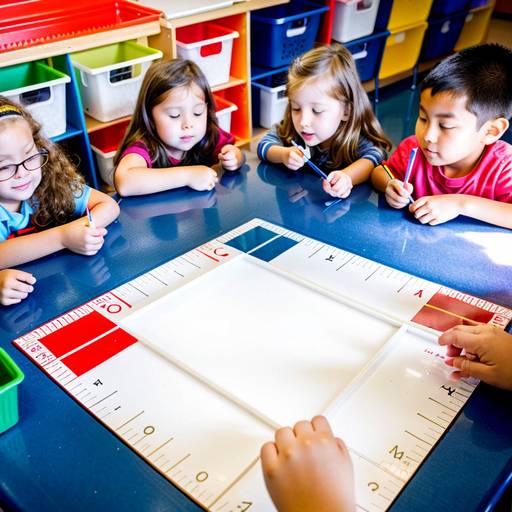
This Kindergarten math lesson focuses on introducing students to the concepts of measurement and weight. The objectives include helping students understand how to measure length using non-standard units, such as unifix cubes and paperclips, and to compare the weight of various objects using balance scales.
The lesson begins with a discussion about the importance of measurement in everyday life, followed by a warm-up activity where students measure classroom items using non-standard units. In small groups, students then explore the weights of different objects using balance scales, making predictions about which items are heavier or lighter before weighing them. They document their findings on a worksheet, which encourages collaboration and discussion.
At the end of the lesson, the class comes together to share their observations and findings, reinforcing the vocabulary related to measurement and weight. Assessment is based on student engagement, group collaboration, and the accuracy of their recorded findings. Opportunities for extensions and differentiation are provided to accommodate varying skill levels among students. Overall, the lesson emphasizes hands-on learning, critical thinking, and effective communication in understanding measurement.