
Filters
Level
Grade
Subject
Subject Area
Subject Topic
Standard(s)
Audience
Keyword
DurationMinutes
Kindergarten Geometry Lesson Plans

In this Kindergarten lesson, students will explore fundamental geometric shapes such as circles, squares, triangles, and rectangles. The lesson begins with a group discussion where students identify and describe different shapes. Following this, students learn about patterns, focusing on how shapes and colors can create sequences that repeat. Through direct instruction, they observe and predict the next shape in a pattern, then move on to creating their own patterns using shape cut-outs on construction paper.
Students engage in guided practice by working in pairs to replicate patterns with pattern blocks using cards provided by the teacher. This interactive experience allows them to apply their understanding of shapes and recognize patterns in a hands-on manner. The lesson wraps up with a reflection session where students share their creations and discuss what they learned. Assessment is based on observation during activities and student participation, providing insights into their understanding of geometric concepts. Extensions include a shape scavenger hunt and the incorporation of songs to further reinforce learning. Overall, the lesson emphasizes exploration and creativity while building foundational skills in geometry and pattern recognition.

In this kindergarten math lesson, students will explore geometry and patterns through various engaging activities. The lesson begins with a discussion on geometric shapes, using flashcards to help students identify and describe shapes they encounter in their daily lives. Afterward, a shape hunt allows students to find and share real-life examples of these shapes in the classroom and outdoors.
Next, the concept of patterns is introduced through visual examples, and students are encouraged to create their own simple patterns using shape manipulatives. They will then have the opportunity to express their creativity by making artistic creations with construction paper, glue, and crayons, ensuring that they incorporate at least three different shapes in a patterned arrangement.
The lesson concludes with a sharing session, where students present their work, fostering discussions about the patterns and shapes used. Assessment will be conducted through observation during activities and evaluation of the final artworks, ensuring students demonstrate their understanding of geometric shapes and pattern recognition. Extensions for advanced learners and additional support strategies for those needing help are also included to cater to diverse learning needs. Reflection on student engagement and understanding will inform future lesson adjustments.
In this Kindergarten math lesson, students will explore basic geometric shapes and patterns through various engaging activities. The lesson begins with an interactive introduction where students identify and describe shapes in their environment. Following this, the teacher introduces simple patterns using shapes and colors, encouraging student participation in completing examples on the whiteboard.
In small groups, students will engage in a shape sorting activity, organizing cut-outs based on characteristics like the number of sides or color, and sharing their sorting methods with the class. They will then create their own patterns using blocks, applying terms like “repeat” and “design” while describing their creations.
A collaborative challenge will allow the class to work together to create a large pattern on paper, fostering teamwork and discussion about their choices. The lesson concludes with a summary of key concepts, and students will receive worksheets for additional practice at home. Throughout the session, the teacher will assess student understanding through observation and review of their worksheets. Extension activities will encourage students to look for patterns in their daily lives and share their findings in the next class.
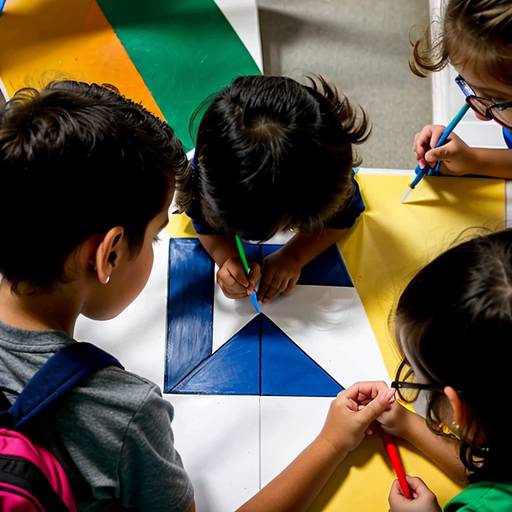
In this kindergarten math lesson focused on geometry and shapes, students engage in a variety of interactive activities designed to enhance their understanding of basic geometric concepts. The lesson begins with a discussion where students identify and name different shapes they observe in their environment. Subsequently, they participate in a shape search around the classroom, where they work in small groups to find real-world examples of the shapes on their checklist, sharing their discoveries with the class.
Next, students participate in a shape sorting activity, categorizing various objects based on their geometric characteristics. They then move to a hands-on creation station, where they can either mold shapes from Play-Doh or create a collage using pre-cut shapes, fostering creativity and hands-on learning. Following this, the class sings a fun shape-themed song, incorporating movement to reinforce shape vocabulary.
The lesson wraps up with a review of the shapes covered, encouraging students to discuss their attributes and share their creations. Assessment occurs through observation and participation, with opportunities for extensions and adaptations to ensure all learners are engaged and supported. This comprehensive approach promotes both recognition and application of geometric shapes in a playful and dynamic manner.
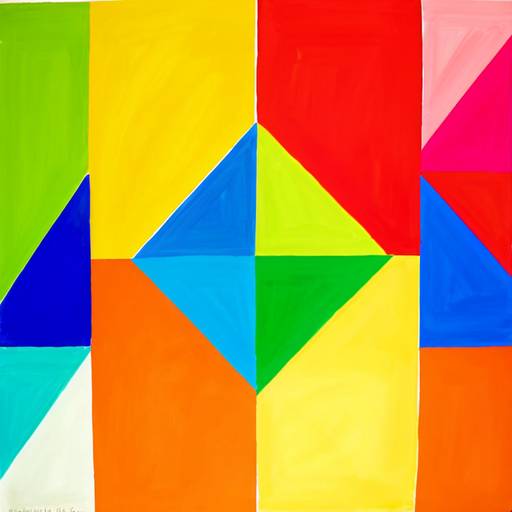
In this Kindergarten math lesson, students will explore basic 2D shapes, including circles, squares, triangles, and rectangles. The session begins with an engaging discussion to help students identify shapes in their environment. They will participate in a shape-sorting game and a scavenger hunt to enhance their understanding of geometric attributes.
Following the interactive activities, students will engage in a creative art project, where they will use colored construction paper to create a collage of their favorite shapes. They will share their collages with the class, reinforcing their learning by discussing the shapes they used. The lesson will conclude with a fun song or chant focused on shapes, ensuring an enjoyable and memorable learning experience.
Assessment will occur through observation during activities, and students will have the opportunity to express their understanding and creativity. Extensions to this lesson could include introducing 3D shapes or creating a "Shape Book" to document their learning beyond the classroom. After the lesson, a reflection will help evaluate student engagement and understanding of the concepts presented.
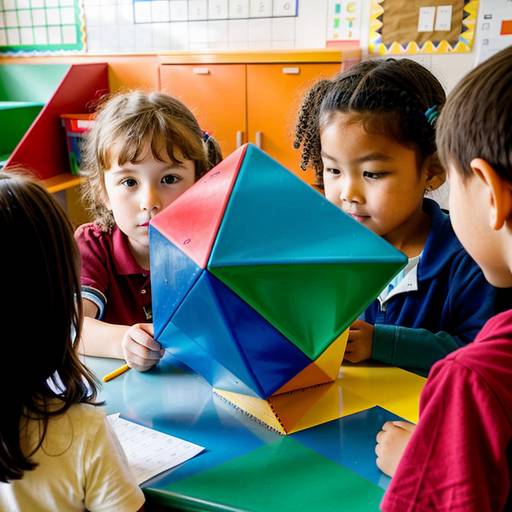
This Kindergarten math lesson focuses on introducing students to basic geometric shapes, including circles, squares, triangles, rectangles, and ovals. Beginning with a circle time activity, students will learn to identify and describe these shapes by their attributes. The lesson includes a hands-on scavenger hunt, where students explore their environment to find real-life examples of shapes, promoting awareness of geometry in everyday life.
Students will also participate in a shape sorting activity in small groups, where they will classify various objects based on their shapes. To enhance creativity, they will create a shape collage using construction paper and various materials, further reinforcing their understanding of shapes through art. The lesson concludes with a review and sharing session, allowing students to express their thoughts and discoveries while highlighting the significance of shapes in their surroundings. Assessment will be conducted through observation and evaluation of the collages, with possible extensions for more advanced learners.
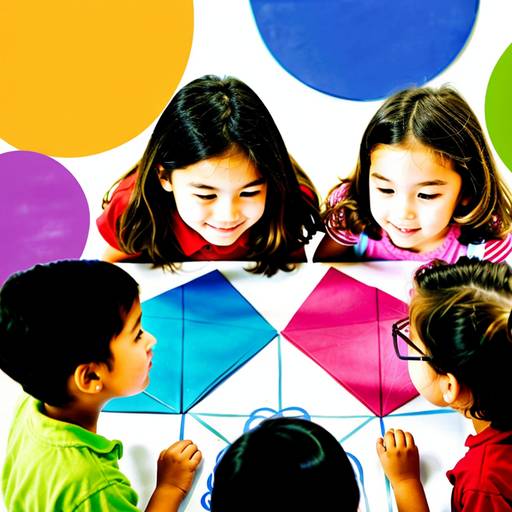
In this kindergarten mathematics lesson focused on geometry and patterns, students will explore geometric shapes and the concept of patterns through interactive activities. The lesson begins with a warm-up where students identify and describe various shape cutouts, followed by a discussion on patterns found in everyday life.
After introducing different shapes using visual aids and engaging songs, students participate in a shape identification game in small groups, sorting shapes by attributes such as color and size. Next, they create their own patterns using pattern blocks and share their work with the class.
For independent practice, students use colored paper strips to design unique patterns, showcasing their creativity and understanding of the concepts. The lesson concludes with students sharing their creations and explaining the shapes and patterns they used, reinforcing vocabulary and comprehension.
Assessment is conducted through observation of student participation, group interactions, and the completed pattern activity. Extensions include a shape hunt around the classroom and opportunities for differentiation based on student needs, ensuring all learners engage meaningfully with the material.
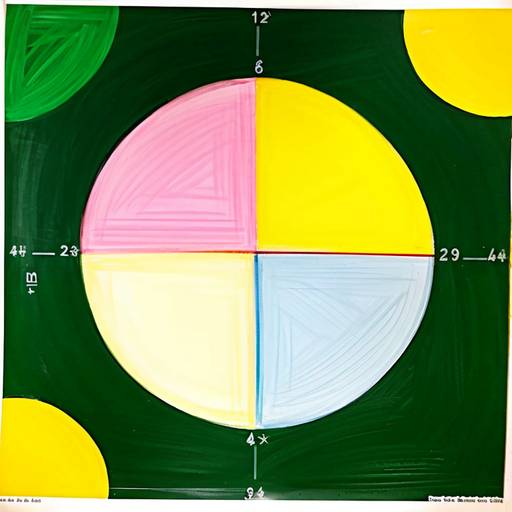
In this Kindergarten math lesson focused on geometry and shapes, students engage in identifying and naming basic geometric shapes: circle, square, triangle, and rectangle. The lesson begins with an interactive introduction where students repeat the names of the shapes and discuss their properties. Next, students participate in a shape hunt around the classroom, working in small groups to find everyday objects that correspond to the shapes on their checklists. After regrouping, they share their findings with the class.
The lesson then transitions into a hands-on art activity where students create a shape collage using colored construction paper and various materials. They are encouraged to use their creativity while incorporating the shapes they learned. Students present their collages to the class, explaining the shapes used. The lesson concludes with a review and the distribution of shape worksheets for additional practice. To enhance comprehension, extension activities include creating a "Shape Book" where students illustrate their favorite shapes and examples of real-world objects. Overall, the lesson promotes recognition of shapes in both abstract and concrete contexts, fostering a foundational understanding of geometry.