
Filters
Level
Grade
Subject
Subject Area
Subject Topic
Standard(s)
Audience
Keyword
DurationMinutes
Kindergarten Using Manipulatives Lesson Plans

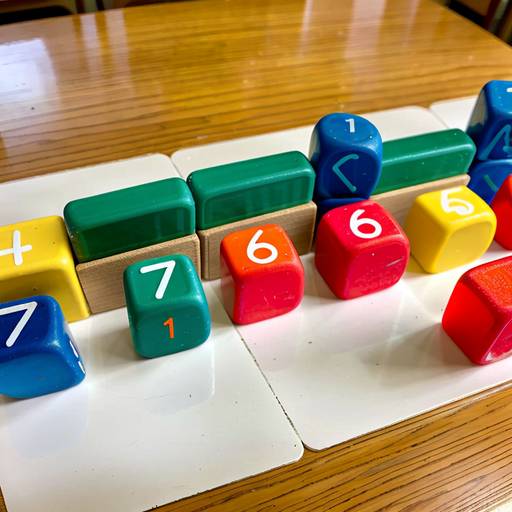
The lesson focuses on teaching kindergarten students the concept of addition through interactive, hands-on activities using colorful building blocks as manipulatives. Starting with an introduction that explains addition, the teacher demonstrates a simple problem using blocks to illustrate how to combine sets visually. Students then work in small groups to solve assigned addition problems, using blocks to visually represent the numbers and practice counting. After guided practice, they complete independent worksheets featuring basic addition problems, which they can also visualize with blocks if needed. The lesson concludes with a class discussion where students share their outcomes, reinforcing their understanding of addition. Assessment is based on participation, problem-solving during group work, and the accuracy of their completed worksheets. Extensions and adjustments are provided to cater to diverse learning needs, ensuring an inclusive and engaging math experience.
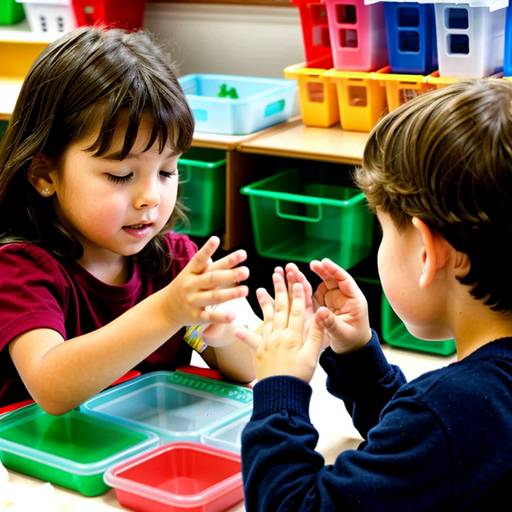
In this kindergarten math lesson, students will explore the concept of addition through hands-on activities using manipulatives. The lesson begins with a warm-up counting song to engage students and introduce the idea of addition through practical examples. Educators will model simple addition problems using visual aids, demonstrating how to group and count manipulatives to find sums.
Students will then work in pairs to solve assigned addition problems collaboratively with manipulatives, fostering communication and teamwork. Following this guided practice, they will complete worksheets where they draw and represent their addition problems using the manipulatives, reinforcing their understanding of the concept.
To conclude, the class will review key takeaways and students will create a simple exit ticket by writing their own addition problems and illustrating them. Throughout the lesson, observation and informal assessments will help gauge students' grasp of addition, with differentiation strategies to support varying levels of ability. This engaging approach promotes foundational math skills while making learning enjoyable and interactive.