
Filters
Level
Grade
Subject
Subject Area
Subject Topic
Standard(s)
Audience
Keyword
DurationMinutes
Kindergarten Vocabulary Lesson Plans


In this Kindergarten Language Arts lesson, students embark on an engaging journey to explore new vocabulary related to a thematic story, such as animals. The lesson begins with an interactive introduction where target vocabulary words are presented through flashcards and discussions. Students listen to a story that incorporates these words, allowing them to hear and understand their meanings in context.
Following the story, students break into small groups to match picture cards with the corresponding vocabulary words, fostering collaboration. Each group then creates a mini poster that illustrates these words through drawings and sentences, promoting creativity and comprehension. Students share their posters with the class, using their vocabulary words in conversation. The lesson concludes with a class review of the vocabulary, encouraging students to use the new words in their own sentences.
Assessment is based on student participation, the accuracy of vocabulary usage, and understanding as demonstrated in their group work and presentations. Extension activities include creating a personal "Word Journal" for further vocabulary exploration and using word chants or songs for reinforcement. This lesson effectively combines storytelling, hands-on activities, and collaborative work to enhance vocabulary skills in a fun and supportive environment.
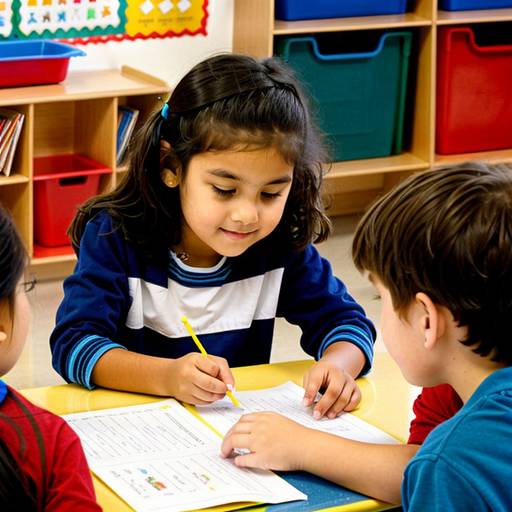
In this Kindergarten Language Arts lesson, students embark on an engaging exploration of new vocabulary words related to adventure and discovery. The lesson begins with an introduction to five key vocabulary words: adventure, journey, explore, discover, and treasure. Each word is presented with visual aids and discussions to ensure students understand their meanings.
Next, students work collaboratively in small groups to create drawings that represent their assigned vocabulary word, fostering teamwork and creativity. Following this group activity, students individually create a "Word Explorer" booklet, where they choose three vocabulary words to illustrate and use in original sentences, further reinforcing their understanding.
The lesson culminates with students sharing their booklets with the class, promoting confidence and skill in verbal expression. Throughout the lesson, the teacher assesses participation, comprehension, and creativity, while encouraging ongoing use of the new vocabulary in daily conversations and future classroom activities. By the end, students will have gained a deeper understanding of the vocabulary and how to apply it in meaningful contexts.
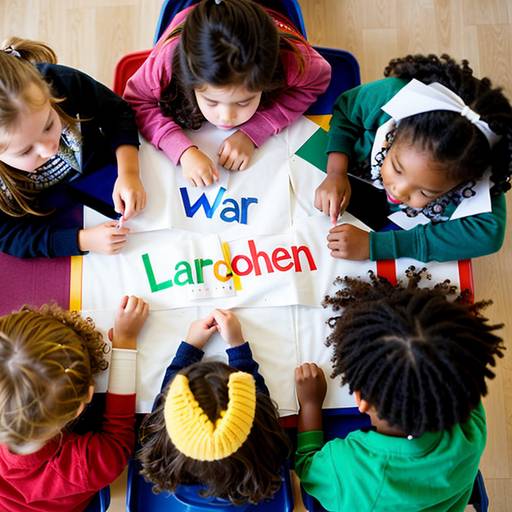
In this kindergarten language arts lesson, students will enhance their vocabulary by exploring new words related to nature, such as tree, flower, sun, and bird. The lesson begins with an engaging discussion about gardens, linking the concept to vocabulary growth. Students will actively participate in defining and discussing the words, sharing personal experiences to deepen their understanding.
Through a creative crafting activity, each student will create a "Word Garden" by decorating a paper cup as a plant pot filled with construction paper soil and seed cutouts. They will also complete a worksheet, illustrating one vocabulary word and writing it beneath their drawing. The lesson concludes with a review of the vocabulary words to reinforce learning, encouraging students to think about how to incorporate these words into their daily conversations. Observations of student participation and the evaluation of their worksheets will serve as assessment tools for understanding and creativity. Extension activities will further foster vocabulary development throughout the year.
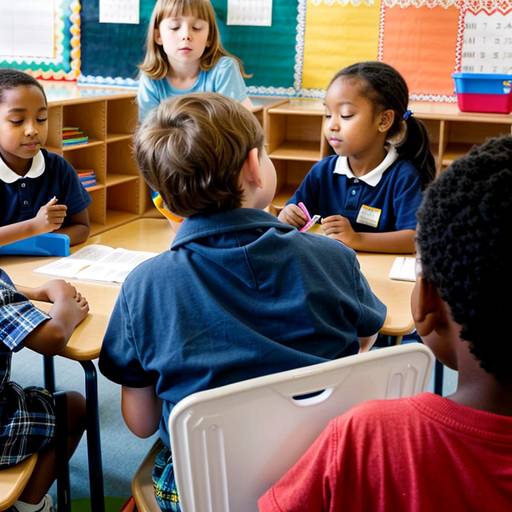
This Kindergarten Language Arts lesson focuses on expanding students' vocabulary through engaging activities and interactive learning. The lesson begins with an introduction to new vocabulary words, where students learn to recognize and understand the meanings of each word using picture cards. A story featuring these vocabulary words is then read aloud, allowing students to see the words in context.
Following the reading, students participate in a collaborative group activity where they create a vocabulary chart, illustrating the words with their own drawings. This visual reinforcement helps cement their understanding. The lesson also includes a matching game that encourages teamwork and discussion as students pair vocabulary words with corresponding pictures.
To conclude, the class reviews the vocabulary words and encourages students to use them in sentences, reinforcing their ability to communicate effectively. Informal assessments throughout the lesson provide insight into students' learning and understanding, with differentiated support available for those who may need it. Overall, this lesson promotes active engagement and a fun approach to language learning.