
Filters
Level
Grade
Subject
Subject Area
Subject Topic
Standard(s)
Audience
Keyword
DurationMinutes
Infant Emotions Lesson Plans


The lesson plan is designed for infants aged 6 months to 1 year and focuses on helping them recognize and respond to basic emotions through interactive, engaging activities. The session begins with an introduction to emotions, encouraging caregivers to participate and engage with their infants.
Activities include showing emotion flashcards, allowing caregivers to demonstrate facial expressions, and using soft mirror toys to promote self-recognition. An emotion movement game follows, where infants respond to upbeat music that corresponds to different emotional expressions while being held by their caregivers.
The lesson culminates in storytime with emotion-themed picture books, encouraging caregivers to discuss characters' feelings with their infants. The session concludes with a closing circle for sharing insights and reinforcing the importance of emotional expression. Caregivers receive a handout with home activities to continue fostering emotional understanding. Overall, the plan aims to enhance social skills and emotional recognition in a nurturing environment.
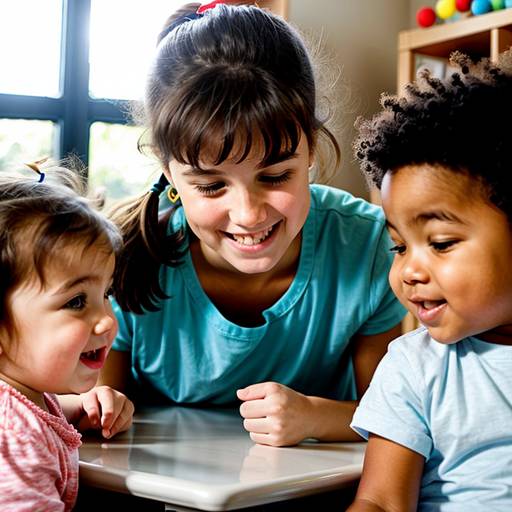
This lesson plan focuses on helping infants recognize and express basic emotions through interactive activities that encourage socialization and emotional understanding. It begins with a welcoming circle time where caregivers and infants gather to introduce the day's theme. The session includes presenting emotion flashcards, allowing infants to observe and mimic various facial expressions with their caregivers.
Next, plush toys representing different emotions are introduced for playful interactions, fostering connection among peers. A mirror activity encourages infants to explore their reflections and express emotions visually. Storytime engages children with narratives that highlight emotional experiences, prompting discussions about feelings.
The lesson incorporates movement and music, where infants dance with colorful scarves to reinforce emotional expressions through play. It concludes with a reflective wrap-up where caregivers share their feelings about the activities, supported by a simple song about emotions. Throughout the lesson, observation of infants' responses and interactions serves as a means of assessment, and follow-up ideas are provided for continued emotional exploration at home.