
Filters
Level
Grade
Subject
Subject Area
Subject Topic
Standard(s)
Audience
Keyword
DurationMinutes
Infant Rhyme Time Lesson Plans


This lesson plan focuses on enhancing early language development in infants through the use of rhymes and rhythmic activities. Designed for infants aged 6 to 24 months, the session aims to improve auditory processing and sound recognition in a playful environment.
The lesson starts with a warm welcome and an introductory sing-along that engages both infants and caregivers. Participants then experience a read-aloud session using rhythmic picture books, allowing caregivers to help stimulate visual and auditory engagement. Following this, movement and music are integrated with nursery rhymes, encouraging active participation through song and rhythm using soft instruments.
Colorful scarves are introduced for a dynamic activity where caregivers and infants explore gestures linked to familiar rhymes, enhancing physical connection and expression. The session concludes with a storytime that incorporates plush toys or puppets, fostering a sense of warmth and interaction. Caregivers are encouraged to share their observations, and resources for rhyming books and songs are provided for further exploration at home.
Overall, this lesson seeks to create a nurturing space for language growth, bonding, and fun, laying the foundation for effective communication skills as infants develop.
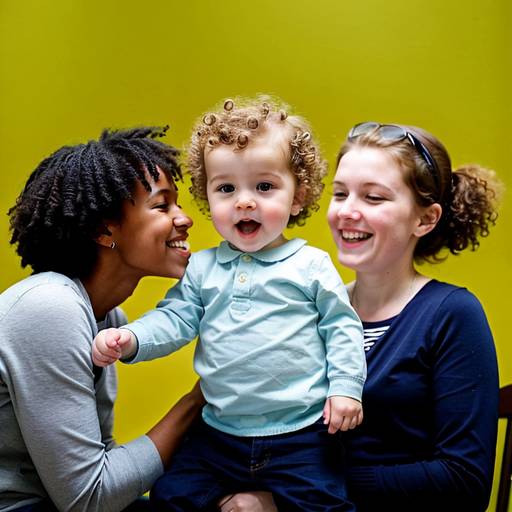
The lesson plan focuses on enhancing language development in infants aged 6 to 18 months through engaging activities centered around rhymes. It begins with a welcoming song to create a comfortable environment, followed by an interactive storytime using a vibrant picture book that highlights rhyming words. Infants participate in a rhythmic activity using simple instruments, engaging with nursery rhymes through clapping and tapping that emphasizes rhythm. A movement song encourages physical activity and bonding between caregivers and infants. The session concludes with a final rhyme and encourages caregivers to explore flashcards and picture books with their infants, reinforcing the importance of shared reading. The plan emphasizes observation of engagement and interaction to assess participation, while also suggesting follow-up activities for ongoing rhyme exploration at home.
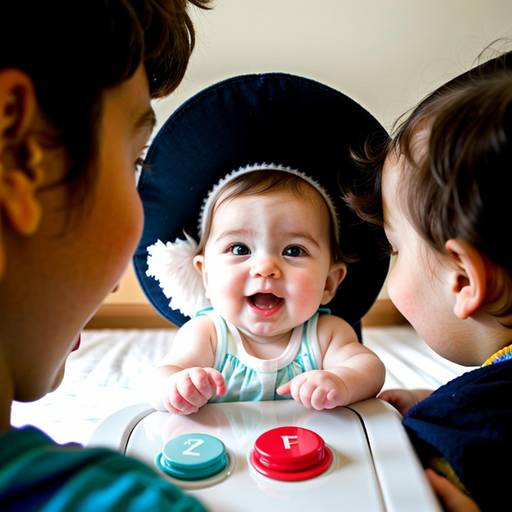
This lesson plan focuses on fostering early language development in infants and toddlers through engaging activities centered on rhythm and rhyming. The session includes a read-aloud of a rhythmic story, interactive rhyming games with picture cards, and the use of musical instruments to create sound patterns. Children are encouraged to express themselves through a movement-oriented song that incorporates rhyme, followed by a hands-on craft activity where they can draw and share their creations using rhyming words. The session concludes with a group discussion, allowing children to reinforce their understanding of rhymes. Throughout the lesson, observation of participation and engagement serves as an informal assessment of the children's developing language skills. This playful exploration aims to build a foundation for language awareness and enjoyment of sounds in words, creating a rich, interactive learning experience.
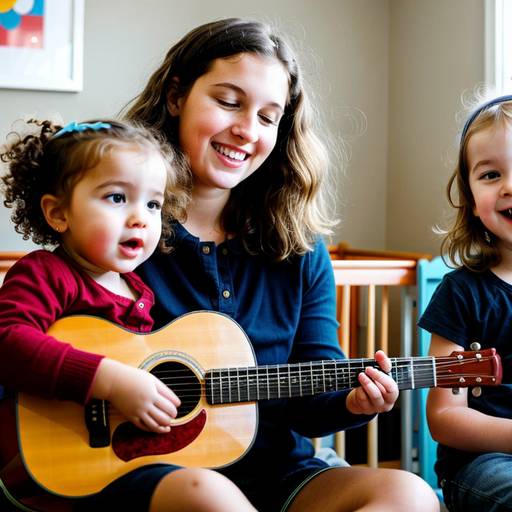
This lesson plan focuses on enhancing infants' language development through engaging activities centered around rhymes, rhythm, and sound play. The session begins with a warm welcome and an introduction to the theme, followed by an exploration of soft musical instruments, encouraging infants to experience sound. A sing-along segment features popular nursery rhymes, promoting movement and rhythm as caregivers bounce their infants to the music.
Interactive activities utilize colorful picture cards linked to the rhymes, facilitating visual and auditory connections. A storytime segment introduces a short rhyming text, encouraging expressive reading while caregivers engage with illustrations. The session concludes with a cool-down period featuring soft music, allowing for reflection on the day's activities and sharing tips for incorporating rhyme and rhythm into daily life at home. This approach aims to foster early language skills and a love for sounds and storytelling in infants.